In the realm of industrial automation and control systems, proximity sensors are indispensable components for non-contact object detection. Among the various configurations available, the 2-wire proximity sensor stands out for its simplicity and widespread application. This article delves into the operational principles, key advantages, installation considerations, and common applications of 2-wire AC/DC proximity switches, providing a thorough technical overview for engineers and technicians.
Fundamentally, a 2-wire proximity sensor operates as a switch that opens or closes an electrical circuit based on the presence or absence of a target object within its sensing range. Unlike their 3-wire or 4-wire counterparts, these sensors are integrated directly into the power supply line. They have only two connecting wires: one for the power supply (L+) and the other as the load connection (L-). In the "normally open" (NO) configuration, which is most common, the sensor allows current to flow to the load (e.g., a PLC input, relay, or indicator lamp) when a target is detected. When no target is present, the circuit is open, and no current flows to the load. This design eliminates the need for a separate control wire, simplifying wiring diagrams and reducing installation time and cost.
The core technology behind these sensors is typically based on inductive, capacitive, or ultrasonic principles, with inductive being the most prevalent for metal detection. An inductive 2-wire sensor generates an electromagnetic field from its sensing face. When a metallic target enters this field, eddy currents are induced in the target, causing a change in the oscillation amplitude within the sensor's internal circuit. This change is detected and triggers the solid-state switching element (like a TRIAC for AC or a transistor for DC) to change state, effectively completing the circuit to power the connected load.
The primary advantages of 2-wire sensors are their straightforward installation and cost-effectiveness. Their wiring is identical to that of a mechanical limit switch, making them a direct, drop-in replacement in many upgrade scenarios. This simplicity reduces potential wiring errors. Furthermore, they often exhibit high resistance to electrical noise and vibration, ensuring reliable operation in harsh industrial environments. Many models also feature built-in protection against short-circuits, overloads, and reverse polarity.
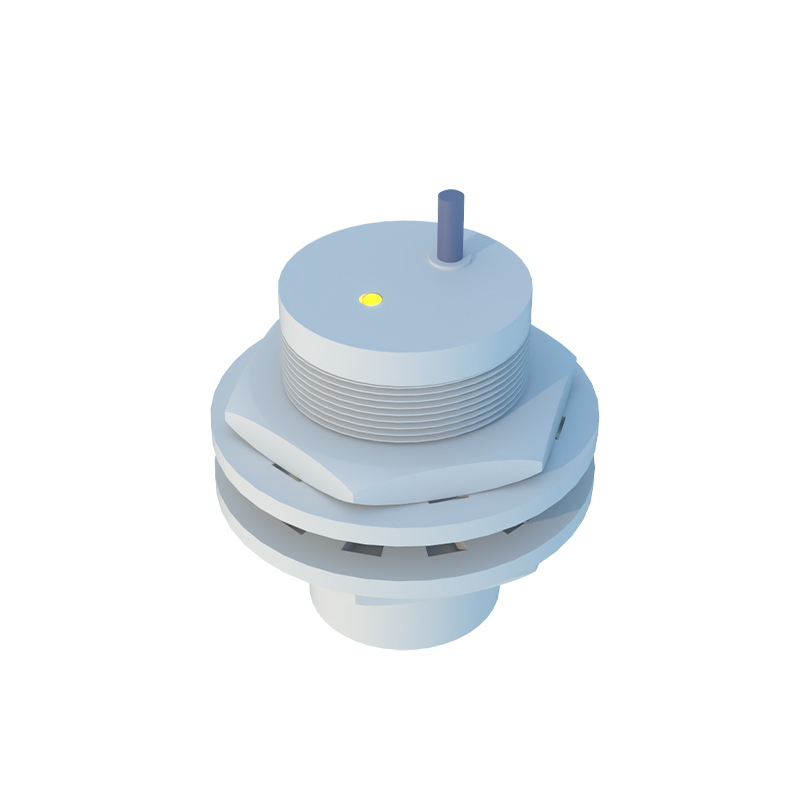
However, certain technical considerations are paramount for successful implementation. A critical parameter is the "leakage current" (or residual current). When in the "off" state, a small amount of current still flows through the sensor's internal electronics. This current must be lower than the "minimum holding current" of the connected load. If the leakage current is too high, it may prevent a relay from dropping out or cause an LED indicator to glow dimly. Engineers must consult datasheets to ensure compatibility. Another key consideration is the "voltage drop" across the sensor when it is switched on. This voltage loss, typically between 1.5 to 4 volts, must be accounted for to ensure the load receives sufficient operating voltage. Additionally, while wiring is simple, proper shielding and grounding are essential in environments with strong electromagnetic interference to prevent false triggering.
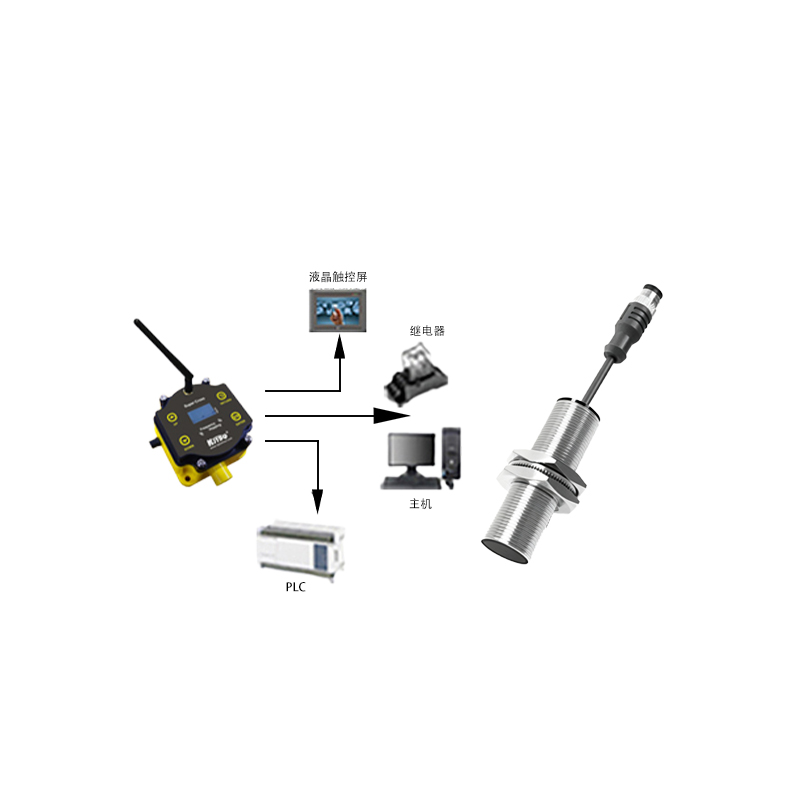
The applications for 2-wire proximity sensors are vast across manufacturing, packaging, material handling, and automotive industries. Common uses include: detecting the position of a machine part (e.g., cylinder end position), counting objects on a conveyor belt, monitoring bin levels, verifying the presence of a metal component in an assembly, and providing safety interlock signals. Their robust construction allows them to function reliably in the presence of dust, oil, and coolants.
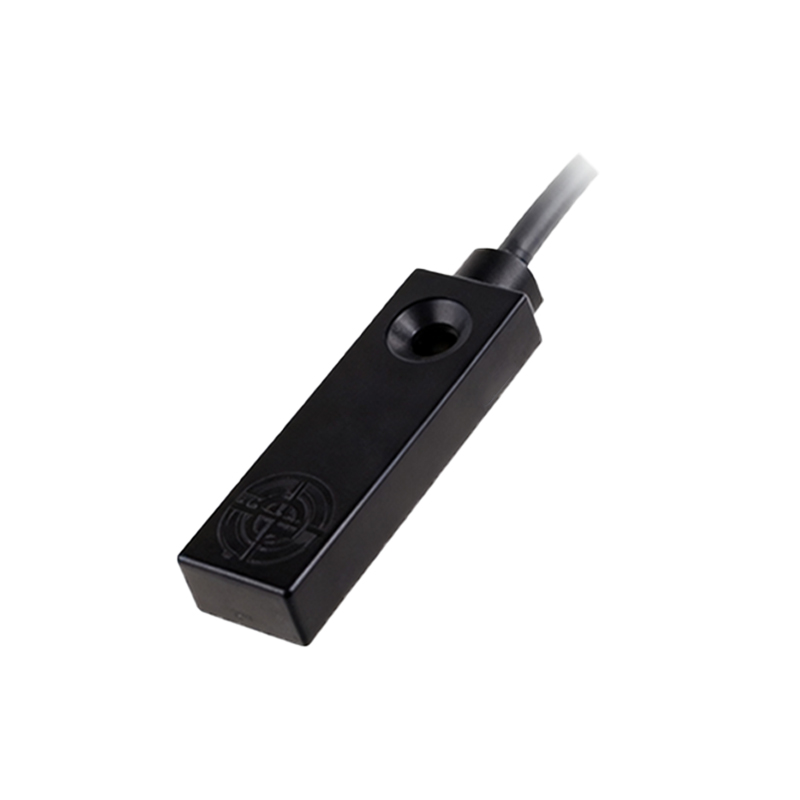
In conclusion, the 2-wire proximity sensor is a robust, economical, and highly practical solution for countless detection tasks in industrial automation. Its straightforward two-wire connection scheme offers significant installation benefits, while modern designs provide reliable performance. A clear understanding of its operating principle, alongside careful attention to parameters like leakage current and voltage drop, enables engineers to select and integrate these sensors effectively, ensuring seamless and dependable operation within complex control systems. As technology advances, we continue to see improvements in sensing range, housing materials, and diagnostic capabilities, further solidifying the role of the 2-wire proximity switch as a fundamental pillar of industrial sensing.