In the realm of industrial automation and control systems, the selection of sensing technology is a critical decision that directly impacts efficiency, safety, and reliability. Among the plethora of options available, proximity sensors have emerged as a cornerstone component. But what are the compelling reasons to choose a proximity sensor over other sensing methods? This article delves into the core advantages that make non-contact proximity detection an indispensable choice for modern engineering.
First and foremost, the principle of non-contact operation stands as the primary advantage. Unlike mechanical limit switches that require physical touch to actuate, proximity sensors detect the presence or absence of a target object without any physical contact. This eliminates mechanical wear and tear, significantly extending the sensor's operational lifespan and reducing maintenance costs. The absence of moving parts in solid-state designs translates to higher reliability and millions of operation cycles, ensuring consistent performance in demanding environments such as high-speed packaging lines or robotic assembly cells.
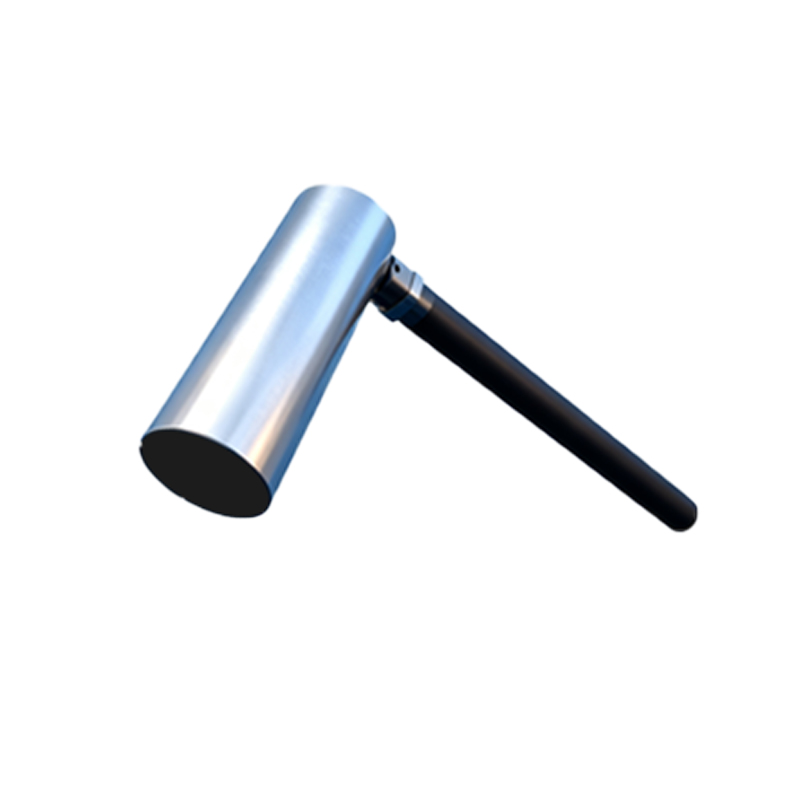
Another pivotal reason is the remarkable versatility in sensing different materials. Modern inductive proximity sensors excel at detecting all metals, while capacitive variants can sense a wider range of materials including plastics, wood, liquids, and granular substances. This material flexibility allows engineers to standardize sensor types across diverse applications, from detecting a metal gear tooth to monitoring the level of powder in a silo. Specialized models, like ultrasonic or photoelectric sensors, further extend this capability for long-range or precise distance measurement tasks.
The environmental robustness of proximity sensors is a key factor for industrial adoption. Engineered to withstand harsh conditions, these sensors typically feature high ingress protection (IP) ratings like IP67 or IP69K, making them resistant to dust, water jets, and even temporary immersion. They can operate reliably in extreme temperatures, resist vibrations, and are often shielded against common industrial interferences like electromagnetic noise or welding sparks. This durability ensures uninterrupted operation in challenging settings found in automotive manufacturing, food processing, or heavy machinery.
Precision and speed are non-negotiable in automation. Proximity sensors offer exceptionally fast response times, often in the microsecond range, enabling detection of objects moving at very high speeds—a task where mechanical switches would fail. They provide highly repeatable switching points, which is crucial for precision positioning, counting, and end-of-travel detection. This accuracy enhances overall system quality control and process consistency.
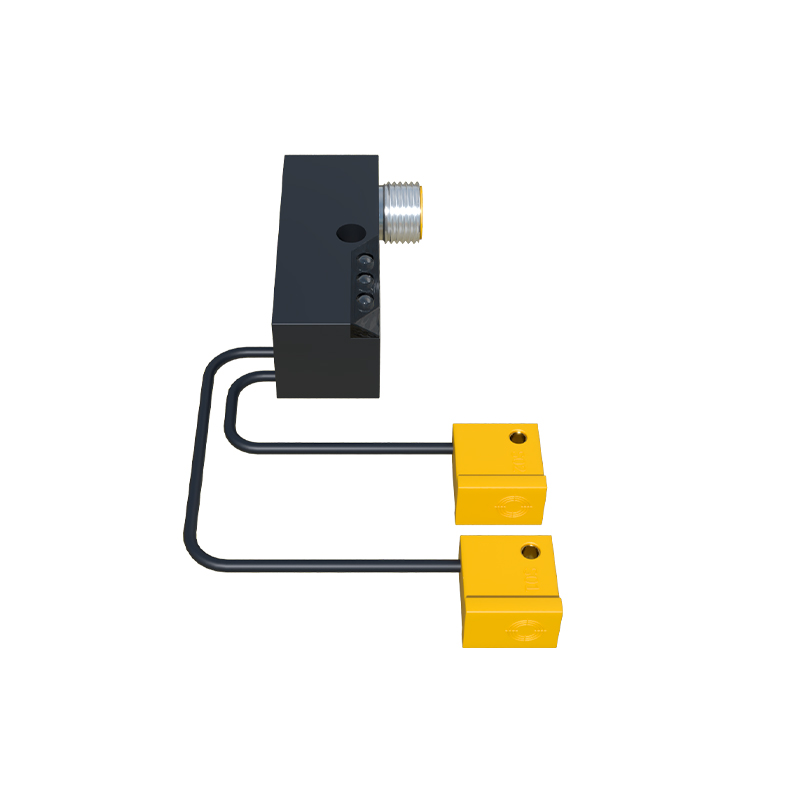
Integration simplicity is a major practical benefit. Many proximity sensors come in standardized form factors (e.g., cylindrical M8, M12, M18, M30) and connection styles (pre-wired, quick-disconnect), simplifying mounting and replacement. The widespread adoption of standard output types (PNP/NPN, NO/NC) and compatibility with Programmable Logic Controllers (PLCs) and industrial networks (IO-Link, AS-Interface) streamlines the design and commissioning of control systems. This plug-and-play nature reduces engineering time and complexity.
Furthermore, modern proximity sensors contribute to enhanced safety and energy efficiency. Their non-contact nature inherently reduces the risk of accidents associated with moving parts. In energy-conscious applications, sensors with low power consumption and sleep-mode features help optimize overall system energy usage. The ability to perform tasks like object counting, jam detection, and speed monitoring also contributes to predictive maintenance strategies, preventing costly downtime.
Finally, the long-term cost-effectiveness, despite a potentially higher initial unit cost compared to basic mechanical switches, is undeniable. The reduction in maintenance, downtime, and replacement parts, coupled with increased production throughput and quality, results in a superior return on investment (ROI) over the lifecycle of the machinery.
In conclusion, the decision to choose a proximity sensor is driven by a synergy of factors: unparalleled reliability through non-contact operation, adaptability to various materials and harsh environments, high-speed precision, ease of integration, and overall lifecycle value. These attributes solidify their position as a fundamental and intelligent choice for engineers designing robust, efficient, and future-proof industrial automation systems.