Laser sensors have become indispensable tools across various industrial sectors due to their precision, reliability, and versatility. These devices operate by emitting a focused beam of light—typically from a laser diode—and measuring the reflection or interruption of that beam to determine distance, position, presence, or thickness. In industrial environments, they are favored for non-contact measurement, which minimizes wear and tear and allows for high-speed operations without physical interference.
One of the most widely used types is the laser distance sensor. These sensors calculate the time-of-flight or phase shift of the laser beam to measure distances with exceptional accuracy, often within micrometers. They are commonly deployed in automation lines for object positioning, robotic guidance, and dimensional inspection. For instance, in automotive manufacturing, laser distance sensors ensure precise alignment of components during assembly, enhancing product quality and consistency.
Another prevalent category is the laser photoelectric sensor, which detects the presence or absence of an object by sensing changes in the laser beam. These are further divided into through-beam, retro-reflective, and diffuse-reflective models. Through-beam sensors, with a separate emitter and receiver, offer the longest sensing ranges and high reliability, making them ideal for conveyor belt monitoring or safety curtains. Retro-reflective sensors use a reflector to bounce the beam back, suitable for detecting transparent or shiny objects. Diffuse-reflective sensors rely on the reflection from the target itself, providing flexibility for varied surface types.
Laser triangulation sensors are specialized for high-precision measurement of displacement, thickness, or profile. By projecting a laser spot onto a target and analyzing its position on a detector array, these sensors can resolve minute variations. They are extensively used in quality control processes, such as measuring the thickness of materials in paper mills or inspecting surface contours in electronics manufacturing.
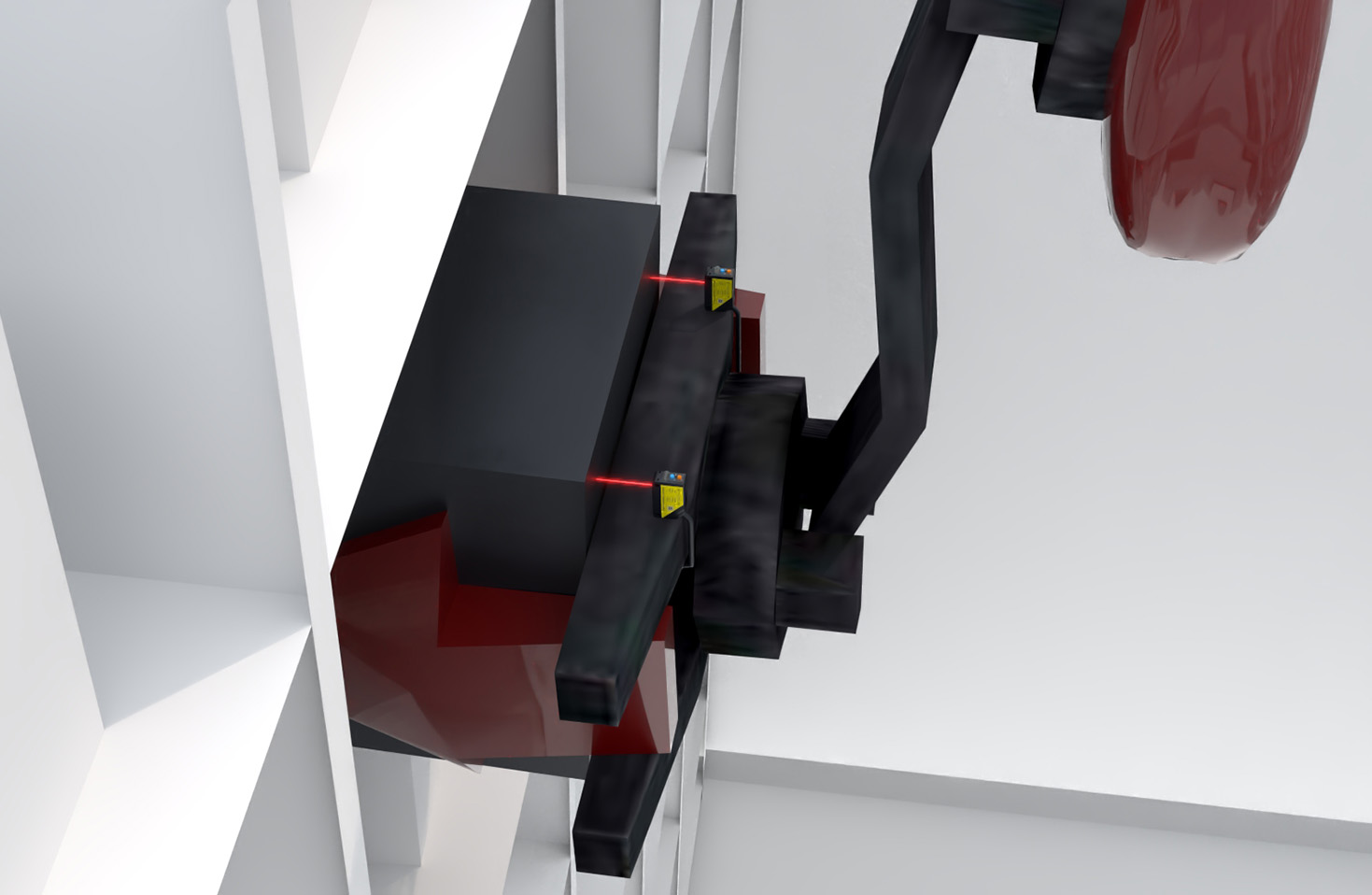
In addition, laser contrast sensors are employed to distinguish between different colors or patterns on surfaces, crucial in packaging and printing industries for label verification or sorting tasks. Meanwhile, laser micrometers offer non-contact diameter measurement for wires, tubes, or cylindrical objects, ensuring tolerances are met in production lines.
Key advantages of laser sensors include their fast response times, long operational ranges, and ability to function in harsh conditions—resistant to dust, vibrations, and temperature fluctuations. However, selection must consider factors like target material, environmental interference, and required resolution. For example, highly reflective surfaces may require sensors with background suppression, while outdoor applications might need protective housings.
Maintenance of laser sensors involves regular cleaning of lenses to prevent contamination, calibration checks to sustain accuracy, and ensuring stable power supplies. As Industry 4.0 advances, integration of laser sensors with IoT platforms enables real-time data analytics, predictive maintenance, and enhanced automation, driving efficiency in smart factories.
Overall, laser sensors are pivotal in modern industry, offering solutions that boost productivity, ensure safety, and maintain high standards. Their continuous evolution, with developments in miniaturization and connectivity, promises even broader applications in the future.