In the rapidly evolving industrial automation landscape, photoelectric proximity sensors have become indispensable components for object detection, positioning, and quality control. As an experienced electrical engineer specializing in sensor technologies, I aim to provide a comprehensive analysis of the factory pricing for these sensors, considering various technical and market factors.
The factory price of a photoelectric proximity sensor is not a fixed number but a variable influenced by multiple parameters. Primarily, the sensing technology type plays a crucial role. Diffuse reflective sensors, which detect objects by reflecting light off their surface, are generally the most economical, with factory prices starting as low as $15 to $30 per unit for standard models in bulk orders. Retro-reflective sensors, requiring a reflector, and through-beam sensors, consisting of separate emitter and receiver units, command higher prices due to their increased complexity and longer sensing ranges. Prices for these can range from $25 to $60 or more at the factory level.
Performance specifications significantly impact cost. Sensors with longer sensing distances (e.g., 10m+ for through-beam types), higher switching frequencies, or specialized functionalities like background suppression or precise color detection inherently involve more sophisticated optics and electronics, pushing factory prices into the $50 to $150 bracket. The choice of light source—infrared, red light, laser, or visible LED—also affects the price. Laser-based sensors, offering high precision, are at the premium end of the spectrum.
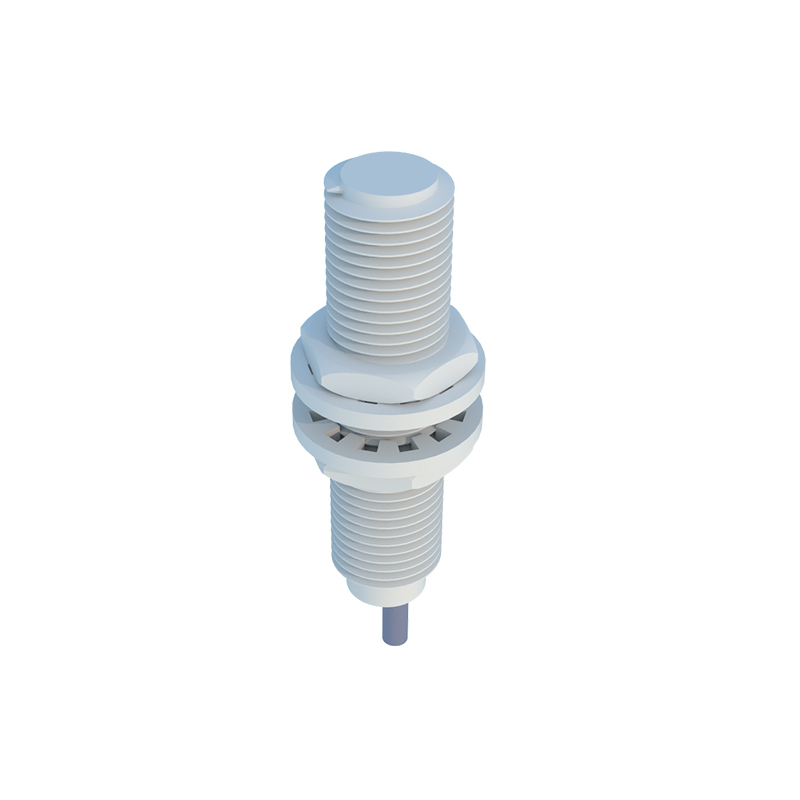
Build quality and housing material are critical cost drivers. Industrial-grade sensors with robust metal housings (e.g., stainless steel) and high IP ratings (IP67, IP69K) for resistance to dust, water, and chemicals are more expensive to manufacture than basic plastic-housed models. Environmental certifications (ATEX for hazardous areas) further add to the base manufacturing cost.
The integrated features and output configuration are pivotal. A basic sensor with a simple NPN/PNP transistor output is the standard. However, models featuring analog outputs (4-20mA, 0-10V), IO-Link digital communication, or programmable logic functions integrate additional circuitry, increasing the factory price by 20% to 50% or more compared to standard digital switches.
Perhaps the most decisive factor is order volume. Factory pricing operates on economies of scale. A request for 100 units will have a significantly higher per-unit cost than an order for 10,000 units. Manufacturers often provide tiered pricing lists, where the unit price drops substantially as the quantity increases. For large OEM projects, direct negotiation with the factory can lead to customized pricing based on annual commitment volumes.
The competitive landscape also dictates pricing. Established global brands like Sick, Omron, Banner Engineering, and Keyence are known for high reliability and advanced features but carry a price premium, reflecting their R&D investment and brand value. Their factory prices are typically higher. Conversely, numerous reputable Asian manufacturers and specialized European producers offer highly competitive factory prices, sometimes 30% to 50% lower for functionally comparable models, without necessarily compromising core performance for standard applications.
It is essential to look beyond the initial factory price. The total cost of ownership includes factors like longevity, maintenance needs, compatibility with existing systems, and the supplier's technical support. A slightly higher initial investment in a more robust or precise sensor from a reliable factory can prevent costly downtime and replacements in the long run.
In conclusion, providing a single "factory price" is impractical. A standard diffuse sensor might be sourced from a factory for under $20 in large volumes, while a specialized, long-range, laser-based sensor with analog and IO-Link outputs could easily exceed $150 per unit even at the factory gate. Engineers and procurement specialists must clearly define their application requirements—sensing type, range, environment, output, and required certifications—and then engage with multiple manufacturers or their authorized distributors with specific volume projections to obtain accurate factory quotations. The market offers a solution for every need and budget, but precision in specification is the key to optimal value.