In the realm of sensing technology, where precision and reliability are paramount, the micro proximity reed sensor stands as a remarkably enduring and versatile component. Unlike more complex solid-state counterparts, these sensors operate on a beautifully simple yet effective principle: the magnetic reed switch. A micro proximity reed sensor typically consists of two ferromagnetic, flexible metal reeds sealed within a small, inert glass tube. When an external magnetic field from a permanent magnet or an electromagnet approaches a certain threshold distance, the reeds magnetize, attract each other, and make physical contact, thereby closing an electrical circuit. The removal of the magnetic field allows the natural spring tension of the reeds to separate them, opening the circuit. This fundamental "make or break" action is the cornerstone of its widespread application.
The defining advantages of micro proximity reed sensors drive their continued relevance. Their hermetically sealed glass enclosure makes them exceptionally resistant to environmental contaminants like dust, dirt, moisture, and even many corrosive atmospheres, allowing for stable operation in harsh conditions. They require no external power to operate the switching element itself, leading to minimal power consumption in passive sensing roles. Furthermore, they offer excellent electrical isolation between the actuating magnetic field and the switched circuit, high switching speed for a mechanical device, and a long operational life measured in millions of cycles. Their miniature form factor enables integration into spaces where other sensors simply cannot fit.
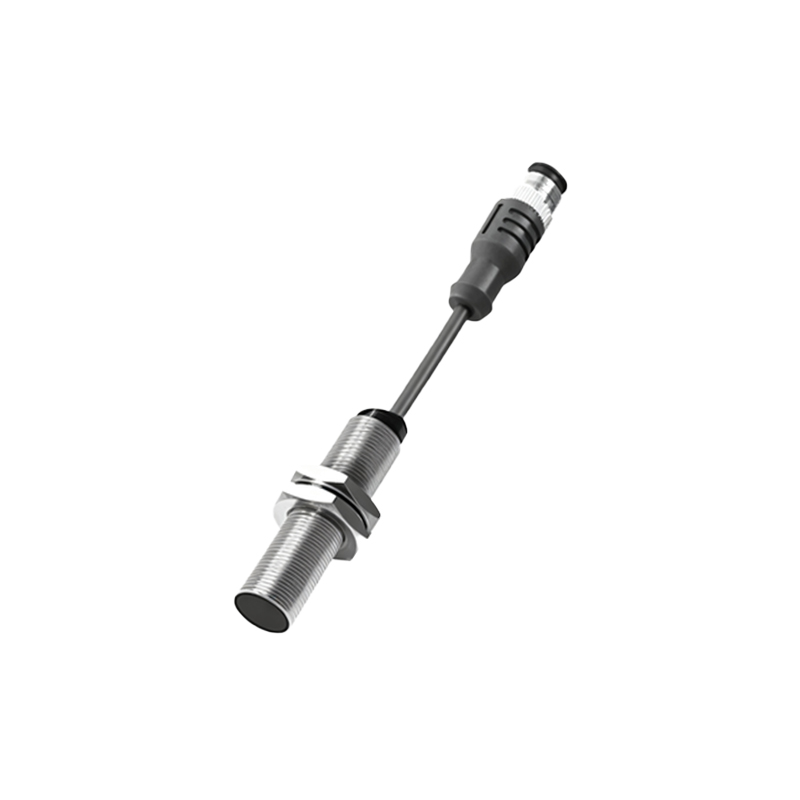
The applications of micro proximity reed sensors are diverse and critical across numerous industries. A primary domain is in security and safety systems. They are the silent sentinels in door and window contact sensors for burglar alarms. The sensor is mounted on the frame, and a magnet on the moving door or window. When opened, the magnet moves away, the reed opens, and the alarm circuit is triggered. This same principle secures cabinets, enclosures, and access panels in industrial and medical equipment, ensuring panels are closed before operation can commence for operator safety.
Within the automotive industry, these sensors find roles beyond simple door-ajar indicators. They are used in gearbox position sensing, brake fluid level monitoring, and seatbelt buckle detection. Their reliability and ability to function in the challenging under-hood environment—withstanding temperature extremes, vibration, and fluids—make them a trusted choice for non-critical but essential monitoring functions.
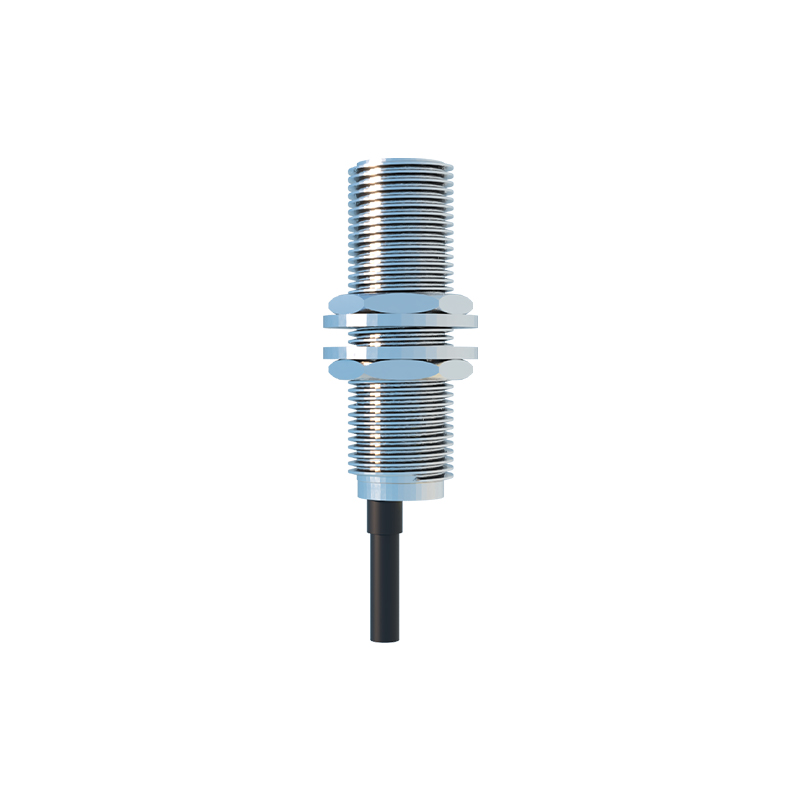
Consumer electronics and home appliances heavily utilize micro reed sensors for position detection. In laptops and clamshell devices, a reed sensor can detect when the lid is closed, triggering sleep mode to conserve power. In washing machine lids, they prevent operation when open. In liquid level float switches for coffee makers or water dispensers, a magnet on a float actuates a reed sensor to indicate low or full levels.
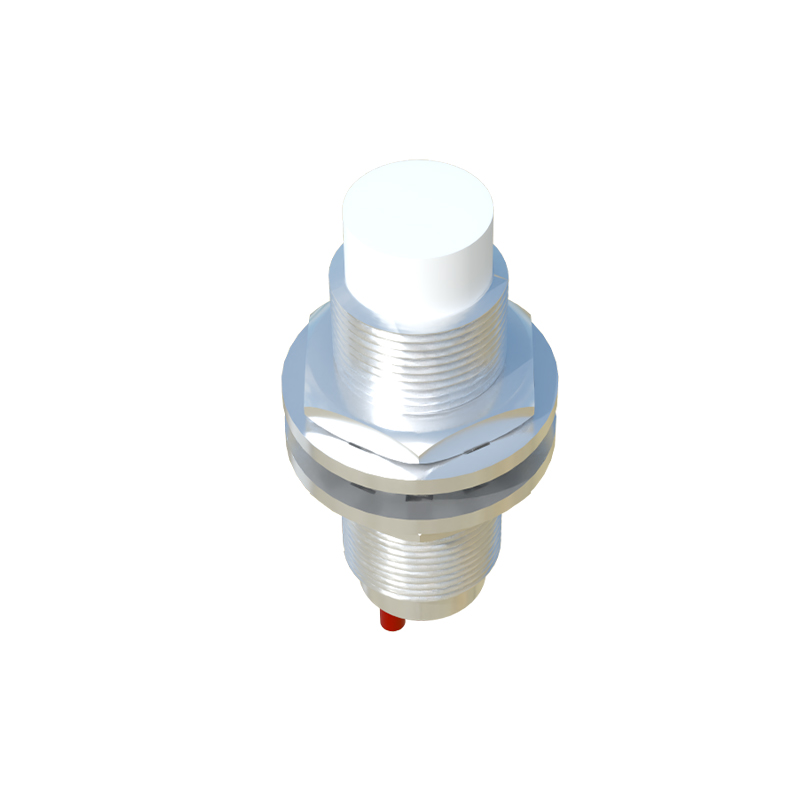
The medical device field leverages their sealed, non-contact nature. They are used in syringe pumps for detecting the presence of a syringe or its end-of-travel position. In portable diagnostic equipment, they can detect whether a protective cover is in place or if a cartridge is correctly inserted, ensuring device integrity and patient safety without risk of electrical leakage.
Industrial automation and process control employ them as limit switches or position sensors for valves, cylinders, and small actuators. Their binary on/off signal is perfect for confirming "home" or "end" positions in machinery. Because they are not susceptible to interference from oil, coolants, or metallic chips common in machining environments, they provide a robust sensing solution where optical sensors might fail.
Emerging and niche applications continue to appear. In IoT (Internet of Things) devices, their low power consumption is ideal for battery-powered nodes that need to detect the open/closed state of something, like a mailbox or a utility meter cover. In renewable energy systems, they can be used in small wind turbine pitch control mechanisms or as safety interlocks in solar panel junction boxes.
Despite the rise of Hall-effect sensors and other technologies, the micro proximity reed sensor maintains a firm niche. Its key limitations—being a mechanical device susceptible to shock and vibration in certain orientations, having a finite life, and requiring a magnetic field for actuation—are well-understood and often mitigated through proper design. The choice often boils down to a balance of cost, environmental requirements, circuit simplicity, and reliability.
In conclusion, the micro proximity reed sensor exemplifies how a simple, elegant physical principle can solve complex sensing challenges. Its robustness, simplicity, and miniaturization ensure it remains an indispensable tool for engineers designing systems that require dependable, contactless detection of presence or position. From safeguarding homes to ensuring the precise operation of medical instruments, this unassuming component continues to play a macro role in the functionality and safety of modern technology.