In the rapidly evolving landscape of industrial automation and electronics, the demand for miniaturization has driven significant advancements in sensor technology. Among these, proximity sensors stand out for their ability to detect the presence or absence of objects without physical contact. But what exactly is the smallest proximity sensor available today? This article delves into the cutting-edge developments in ultra-compact proximity sensors, examining their design, applications, and the technological innovations that make them possible.
The quest for the smallest proximity sensor has led to the development of micro-electromechanical systems (MEMS)-based sensors, which can be as tiny as a few millimeters in size. For instance, some state-of-the-art inductive proximity sensors now measure less than 3mm in diameter, such as the M8 micro-sensors, while capacitive variants have been miniaturized to sub-millimeter scales for integration into wearable devices and medical implants. These sensors leverage advanced materials like silicon and graphene, along with precision engineering, to achieve high sensitivity in minimal footprints. Their compact design does not compromise performance; they offer detection ranges from a few millimeters to several centimeters, depending on the type—inductive, capacitive, or optical.
Applications of these miniature sensors span diverse industries. In consumer electronics, they enable touchless controls in smartphones and smartwatches, enhancing user experience with gesture recognition. In the automotive sector, they contribute to safety systems like parking assistance and collision avoidance, where space is at a premium. Medical devices, such as endoscopic tools and implantable monitors, rely on tiny proximity sensors for precise positioning and monitoring without invasive procedures. Additionally, in robotics and aerospace, these sensors facilitate delicate operations in confined environments, improving efficiency and reliability.
The technology behind these sensors involves sophisticated principles. Inductive sensors use electromagnetic fields to detect metallic objects, making them ideal for harsh industrial settings. Capacitive sensors, on the other hand, sense changes in capacitance to identify both metallic and non-metallic materials, suitable for liquid level detection or touch interfaces. Optical proximity sensors employ infrared light for detection, often found in consumer gadgets. Innovations like low-power consumption designs and wireless connectivity have further expanded their utility, allowing for battery-operated and IoT-enabled applications.
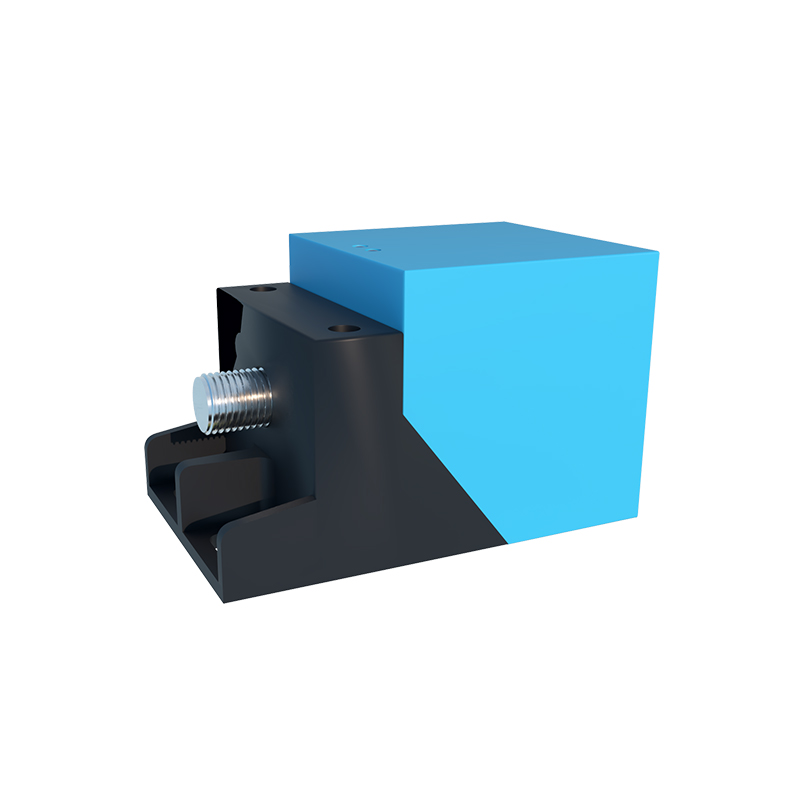
Despite their advantages, challenges remain in manufacturing the smallest proximity sensors. Issues such as signal interference, environmental durability, and cost-effectiveness require ongoing research. However, trends like the Internet of Things (IoT) and Industry 4.0 are fueling demand for even smaller, smarter sensors. Future developments may include nanotechnology-based sensors or hybrid designs that combine multiple sensing capabilities in a single micro-unit.
In conclusion, the smallest proximity sensors represent a pinnacle of engineering ingenuity, pushing the boundaries of what's possible in detection technology. As industries continue to prioritize compact and efficient solutions, these sensors will play a crucial role in shaping the future of automation and smart systems. By understanding their features and applications, engineers and designers can harness their potential to drive innovation across various fields.