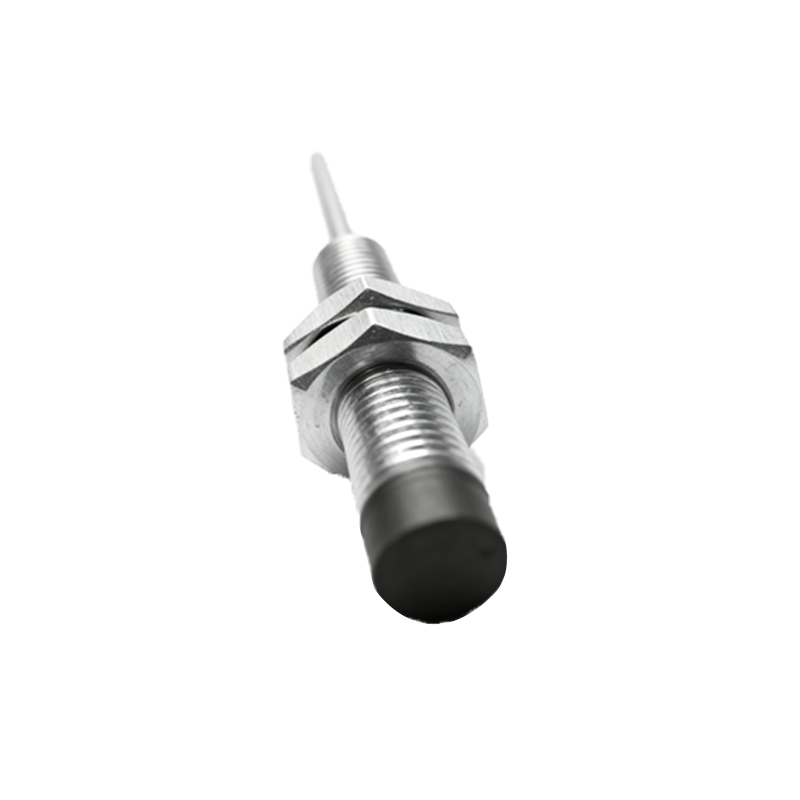
In industrial automation and control systems, proximity sensors play a critical role in detecting the presence or absence of objects without physical contact. As an experienced electrical engineer, I often encounter questions about how to assess the quality of these sensors. Evaluating proximity sensors involves examining multiple technical and operational aspects to ensure reliability, accuracy, and longevity in demanding environments. This article provides a comprehensive guide on determining the quality of proximity sensors, focusing on key indicators and best practices for selection and maintenance.
First, consider the sensor's sensing range and accuracy. High-quality proximity sensors offer consistent and precise detection within their specified range. Test the sensor by placing target objects at varying distances within its operational limits. A good sensor should trigger reliably without false positives or missed detections. Inconsistent performance may indicate issues with internal components or calibration. Additionally, check the repeatability—the ability to return the same reading under identical conditions—which is crucial for applications requiring high precision, such as assembly lines or robotic systems.
Next, evaluate the build quality and environmental resilience. Proximity sensors are often exposed to harsh conditions, including dust, moisture, vibrations, and temperature extremes. Look for sensors with robust housings, typically made from materials like stainless steel or rugged plastics, and high ingress protection (IP) ratings (e.g., IP67 or higher). A quality sensor should withstand these challenges without degradation in performance. For instance, in automotive manufacturing, sensors must resist oil splashes and mechanical shocks. Conduct environmental tests if possible, or rely on manufacturer certifications like IEC standards to verify durability.
Electrical characteristics are another vital factor. Examine the sensor's output type (e.g., NPN, PNP, analog, or IO-Link) and ensure compatibility with your control system. A high-quality sensor provides stable output signals with minimal noise or drift. Measure the response time—the delay between detection and signal output—which should be fast and consistent for dynamic applications. Also, assess power consumption; efficient sensors reduce energy costs and heat generation, extending their lifespan. Use a multimeter or oscilloscope to monitor voltage and current during operation, watching for anomalies that could indicate internal faults.

Reliability and longevity are key indicators of sensor quality. Review the sensor's mean time between failures (MTBF) and operational life data from the manufacturer. Quality sensors often come with extended warranties and proven track records in similar applications. In practice, monitor the sensor over time for signs of wear, such as decreased sensitivity or intermittent failures. Implementing preventive maintenance, like regular cleaning and calibration, can help identify issues early. For example, in packaging machinery, sensors that fail frequently can lead to costly downtime, so investing in durable models pays off in the long run.
Finally, consider the manufacturer's reputation and support. Reputable brands typically invest in research and development, ensuring their sensors incorporate the latest technologies and adhere to industry standards. Check for certifications like UL, CE, or RoHS, which validate safety and environmental compliance. Additionally, assess the availability of technical documentation, such as datasheets and application notes, and customer support for troubleshooting. In my experience, sensors from established companies often provide better consistency and after-sales service, reducing overall operational risks.
In summary, determining the quality of proximity sensors requires a holistic approach that combines technical testing, environmental assessment, and manufacturer evaluation. By focusing on accuracy, durability, electrical performance, and reliability, you can select sensors that enhance system efficiency and minimize failures. Always tailor your choice to specific application needs, and don't hesitate to consult with experts or conduct pilot tests before full-scale deployment. Remember, a high-quality sensor not only improves performance but also contributes to safer and more cost-effective operations in the long term.