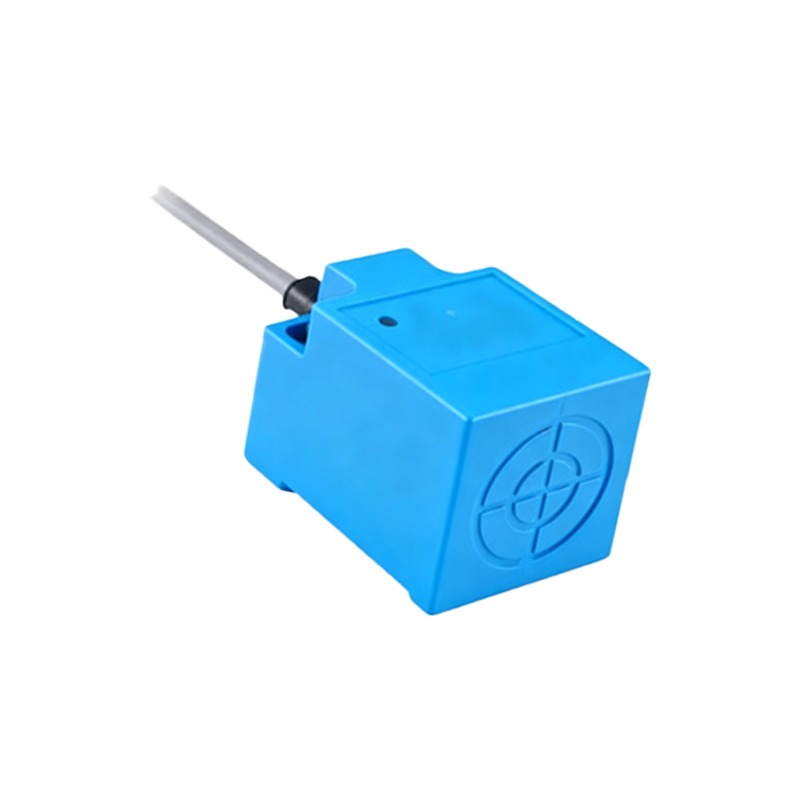
Proximity sensor switches, often simply called proximity switches or proximity sensors, are foundational components in modern industrial automation and control systems. These non-contact sensing devices detect the presence or absence of a target object within their sensing field without any physical contact. Their primary function is to convert the detection event into an electrical signal, typically a discrete ON/OFF switch signal, which is then used to trigger actions in a programmable logic controller (PLC), relay, or other control circuitry. The core advantage lies in their reliability, long operational life (due to the absence of mechanical wear), and ability to function in harsh environments where dirt, oil, or vibration would compromise mechanical limit switches.
There are several primary types of proximity switches, each operating on a distinct physical principle and suited for specific applications. Inductive proximity sensors are the most common in industrial settings. They generate an electromagnetic field and detect the eddy current losses caused when a metallic target (ferrous or non-ferrous) enters this field. They are ideal for detecting metal objects, such as machine parts, tools, or conveyor components, and are widely used for position sensing, counting, and speed monitoring. Capacitive proximity sensors, on the other hand, can detect both metallic and non-metallic materials like plastics, glass, wood, and liquids. They work by sensing changes in capacitance caused by the target object entering the electrostatic field. This makes them perfect for level detection in tanks (liquid or granular materials), material handling, and detecting non-metallic objects on production lines.
Ultrasonic proximity sensors use sound waves beyond the human hearing range. They emit ultrasonic pulses and measure the time it takes for the echo to return from a target object. This technology is excellent for detecting objects of virtually any material, over longer distances, and is commonly used for distance measurement, level sensing in challenging conditions (e.g., foamy liquids), and presence detection of irregularly shaped items. Photoelectric sensors, while sometimes categorized separately, function as proximity switches using light beams (visible, infrared, or laser). A break or reflection of this beam indicates the presence of an object. They offer very long sensing ranges and can detect tiny objects, making them indispensable in packaging, material handling, and assembly automation.
The application of proximity switches is vast and critical. A quintessential use case is in automated assembly lines for part presence verification. An inductive sensor can confirm a metal bracket is in place before a robot welds it, preventing defective products. On conveyor systems, they are used for object counting, jam detection, and sorting by triggering diverters when an object passes. In machine safety, they form part of interlock systems; for instance, a capacitive or magnetic sensor can ensure a protective guard door is fully closed before a press or cutter is enabled, protecting personnel. For rotational equipment, they serve as speed or zero-position sensors by detecting teeth on a gear or a key on a shaft, providing vital feedback for motor control and synchronization.
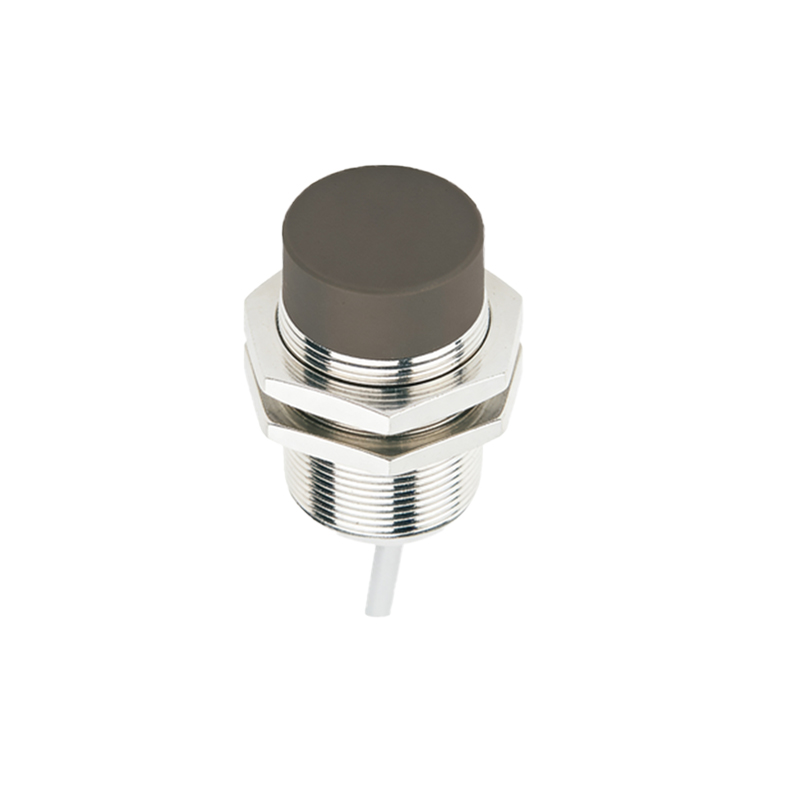
Selecting and applying the right proximity switch requires careful consideration of several parameters. The sensing range, or nominal range (Sn), is specified for a standard target. Real-world sensing distance can be less and is affected by the target material, size, and shape. The mounting style—flush (shielded) or non-flush (unshielded)—is crucial. Flush-mounted sensors can be installed embedded in metal without affecting their sensing field, while non-flush types offer longer ranges but require clearance from surrounding metal. Environmental factors are paramount. Sensors are rated with an Ingress Protection (IP) code (e.g., IP67) indicating resistance to dust and water. For high-temperature areas, high-temperature rated sensors are necessary to prevent failure. Electrical output type must match the control system input: NPN (sinking) or PNP (sourcing) transistor outputs for DC sensors, or AC two-wire models. The load current rating must not be exceeded.
Proper installation and wiring are key to avoiding false triggers and ensuring longevity. Maintain the recommended mounting distance from other sensors or metal structures to prevent mutual interference. Always follow the manufacturer's wiring diagram, ensuring correct polarity for DC models. For inductive sensors, remember that different metals have different correction factors; stainless steel, for example, reduces the effective sensing range compared to mild steel. Regular maintenance, though minimal, involves keeping the sensing face clean from buildup of oil, dust, or metal chips, which can attenuate the sensing field, especially for capacitive and ultrasonic types.
In summary, proximity sensor switches are the silent sentinels of automation. Their correct selection—based on target material, required sensing distance, environmental conditions, and electrical interface—and precise installation are fundamental to creating robust, efficient, and safe automated systems. By providing reliable, contact-free detection, they enable the precise sequencing, positioning, and safety interlocks that define modern industrial processes, from