In the realm of industrial automation, the reliability of sensing technology is paramount. Proximity sensors and photoelectric sensors, two widely utilized categories, often raise the question: "Are they truly dependable?" The answer is a resounding yes, but with critical considerations regarding selection, application, and environmental factors.
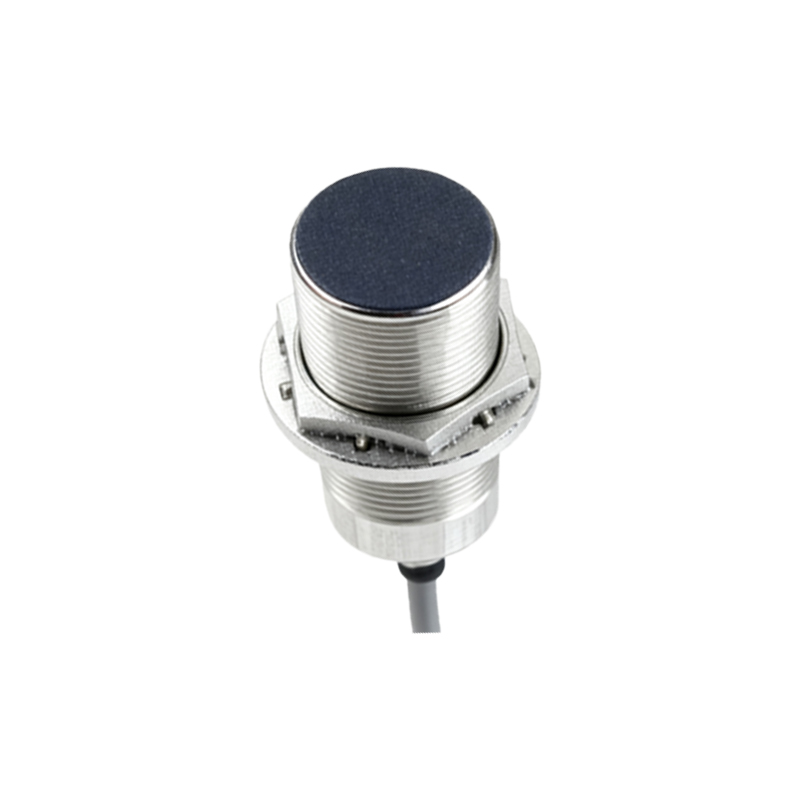
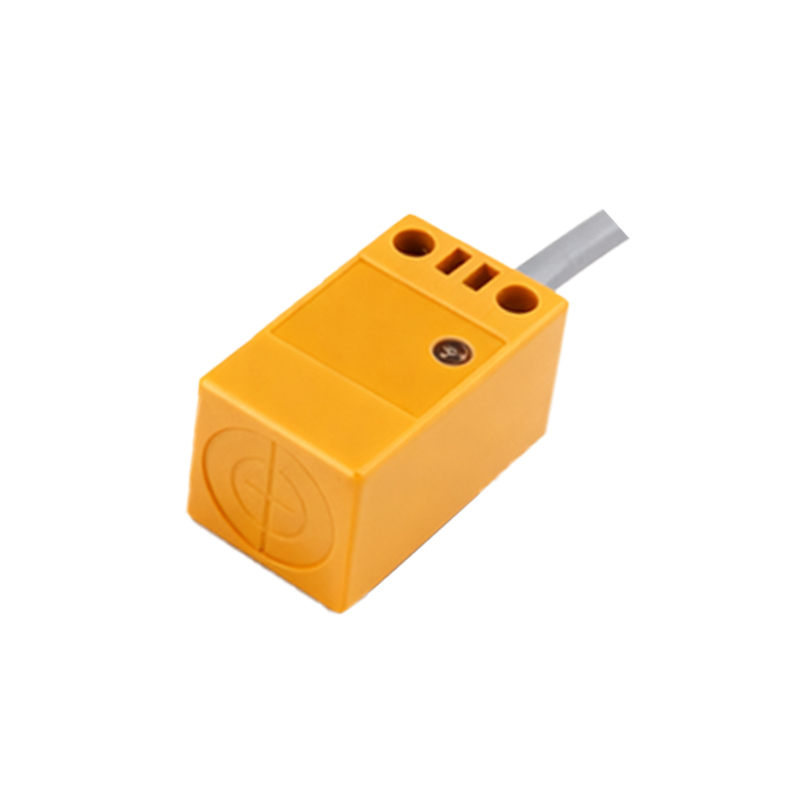
Proximity sensors, primarily inductive and capacitive types, detect the presence or absence of metallic or non-metallic objects without physical contact. Inductive sensors excel in detecting ferrous and non-ferrous metals, offering high switching frequencies and robustness in harsh environments filled with oil, coolants, or dust. Their operation is based on generating an electromagnetic field; a metallic object entering this field induces eddy currents, causing a change in oscillation amplitude that triggers the output. This non-contact principle inherently reduces mechanical wear, leading to exceptional long-term reliability. Capacitive sensors function similarly but respond to a wider range of materials, including liquids, plastics, and granular substances, by detecting changes in capacitance. Their reliability can be challenged by environmental factors like humidity or material composition variations, necessitating careful calibration.
Photoelectric sensors, operating on light beam principles, offer even greater versatility in detection ranges. They consist of three main types: through-beam, retro-reflective, and diffuse reflective. Through-beam sensors, with separate emitter and receiver units, provide the longest range and highest reliability for precise detection, as they are less susceptible to object surface color or reflectivity. Retro-reflective types use a reflector, making installation easier while maintaining good reliability, though they can be fooled by highly reflective objects. Diffuse sensors rely on light reflected directly from the target, making them compact and easy to install, but their performance is most influenced by the target's color, texture, and ambient light conditions. The core reliability of photoelectric sensors hinges on their ability to maintain a consistent light signal. Modern designs incorporate modulated LED light sources (often infrared) and advanced optics to combat interference from ambient light, ensuring stable operation in well-lit factories.
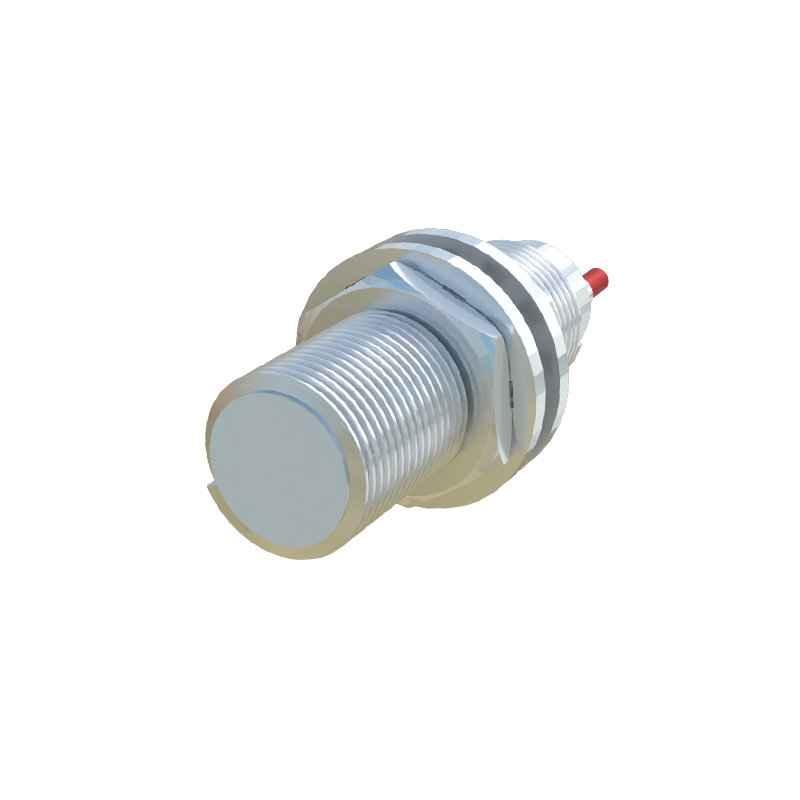
The reliability of both sensor families is extensively proven in real-world applications. Proximity sensors are the workhorses in machine tooling, robotic positioning, and conveyor systems for counting metallic parts. Their sealed housings (often rated IP67 or higher) protect against ingress, making them reliable in washdown areas. Photoelectric sensors are indispensable in packaging, material handling, and assembly lines for detecting transparent bottles, verifying label presence, or ensuring proper product positioning. They reliably detect objects over distances from a few millimeters to several tens of meters.
However, "can it work" depends entirely on correct selection and integration. Key factors influencing reliability include:
1. Environmental Conditions: Extreme temperatures, humidity, corrosive chemicals, or heavy vibration can degrade performance. Selecting sensors with appropriate ingress protection (IP) ratings and temperature specifications is crucial.
2. Target Characteristics: For proximity sensors, the target material, size, and approach direction affect the sensing distance. Photoelectric sensor performance depends on target size, color, reflectivity, and possible obstructions.
3. Electrical Noise: Industrial environments are rich in electromagnetic interference from motors and drives. Using sensors with robust noise immunity and proper shielded cabling is essential for reliable signal transmission.
4. Installation and Alignment: Particularly for photoelectric sensors, precise mechanical alignment is critical. Vibration can misalign beams, causing false triggers. Proper mounting hardware and periodic maintenance checks mitigate this.
5. Load Compatibility: Ensuring the sensor's output type (PNP/NPN, relay) and current rating correctly interface with the controller (PLC) or load prevents premature failure.
Manufacturers continuously enhance reliability through features like built-in diagnostics (IO-Link technology), which provide operational status, health monitoring, and parameter configuration remotely, reducing downtime. Solid-state electronics with no moving parts have largely eliminated mechanical failure points.
In conclusion, both proximity and photoelectric sensors are highly reliable components when applied correctly. Their suitability is not in doubt; the imperative lies in a thorough analysis of the application requirements. By understanding the operating principles, environmental constraints, and target properties, engineers can specify the optimal sensor type—ensuring not just that it can work, but that it will work reliably for years, forming the dependable sensory foundation of modern automated systems.