In the intricate world of industrial automation, precision, reliability, and seamless integration are paramount. Among the myriad of sensing technologies available, the square side proximity sensor stands out as a robust and versatile solution for countless applications. This article delves into the operational principles, key features, and critical application considerations of these indispensable devices, providing a thorough understanding for engineers and system integrators.
At its core, a square side proximity sensor is a non-contact electronic device designed to detect the presence or absence of a metallic target object without physical contact. Unlike cylindrical sensors, its defining characteristic is a compact, rectangular housing. This form factor offers significant advantages in space-constrained installations, allowing for mounting flush with machinery surfaces or in tight corners where a cylindrical sensor might not fit. The sensing face is typically located on the smaller side of the rectangular body, enabling detection from the side, which is ideal for monitoring objects on conveyors or checking for the position of machine parts like cylinders.
The majority of industrial square side proximity sensors operate on the inductive principle. The sensor contains an oscillator circuit that generates a high-frequency electromagnetic field at its active face. When a ferrous or non-ferrous metallic object enters this field, eddy currents are induced on the surface of the target. This causes a change in the oscillation amplitude, which is detected by the sensor's circuitry. This change triggers a solid-state output switch (typically PNP or NPN), sending a signal to a programmable logic controller (PLC) or other control system. This entire process occurs with remarkable speed and repeatability, making these sensors perfect for high-cycle operations.
Key specifications define the performance of a square side proximity sensor. The sensing range, usually specified in millimeters, indicates the maximum distance at which a standard target can be reliably detected. It is crucial to note that the sensing range can vary with the target material; steel typically provides the nominal range, while aluminum or copper may reduce it. The housing material, often made from nickel-plated brass, stainless steel, or rugged PBT plastic, determines the sensor's resistance to environmental factors like coolant, oil, and metal chips. Many models feature IP67, IP68, or IP69K ingress protection ratings, ensuring reliable operation in harsh, wash-down environments common in food processing or automotive manufacturing.
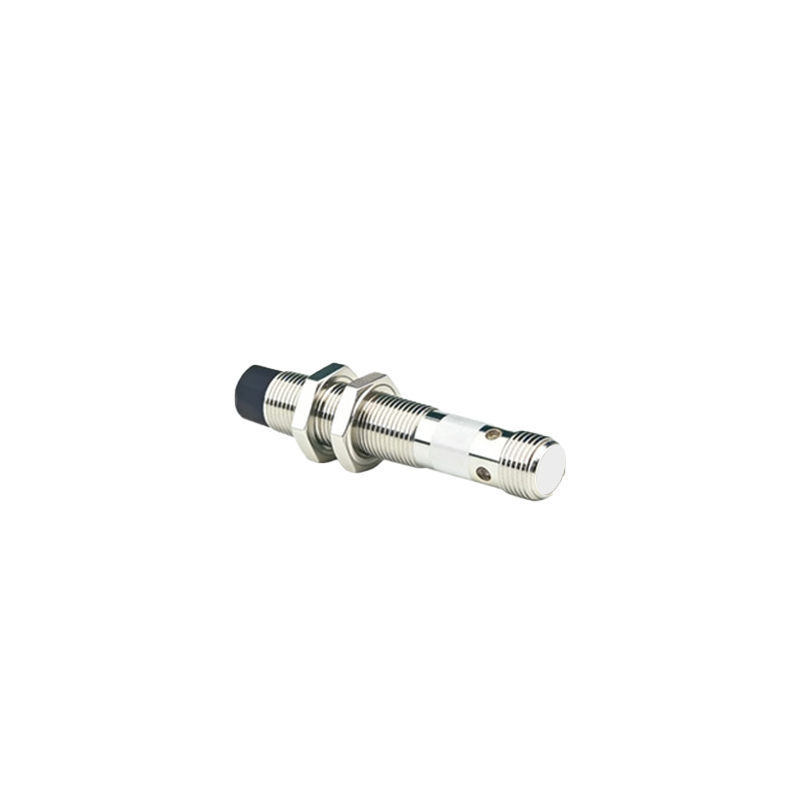
Output configuration is another vital selection criterion. Two-wire AC/DC, three-wire DC (PNP or NNP), and four-wire versions (with both NO and NC contacts) are available to match different control system requirements. Furthermore, advanced models incorporate IO-Link communication, enabling digital parameter setting, real-time diagnostics, and process data monitoring, paving the way for Industry 4.0 smart factory applications.
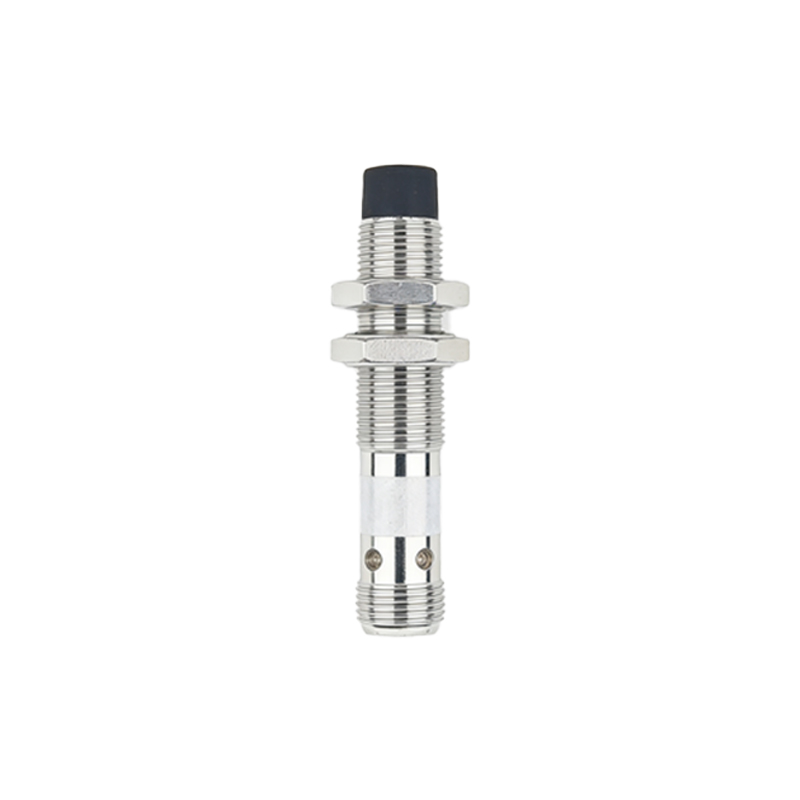
The application spectrum for square side proximity sensors is vast. They are extensively used for position sensing of hydraulic or pneumatic cylinders, where a small metal flag on the piston rod actuates the sensor to indicate end-of-stroke. In material handling, they detect the presence of metal containers or pallets on conveyor lines. They serve as vital safety components in automated machinery by verifying the correct positioning of guards, doors, or tools before a cycle begins. Their robust construction also makes them suitable for counting metal parts, monitoring rotational speed by detecting gear teeth or keyways, and controlling automated welding and assembly processes.
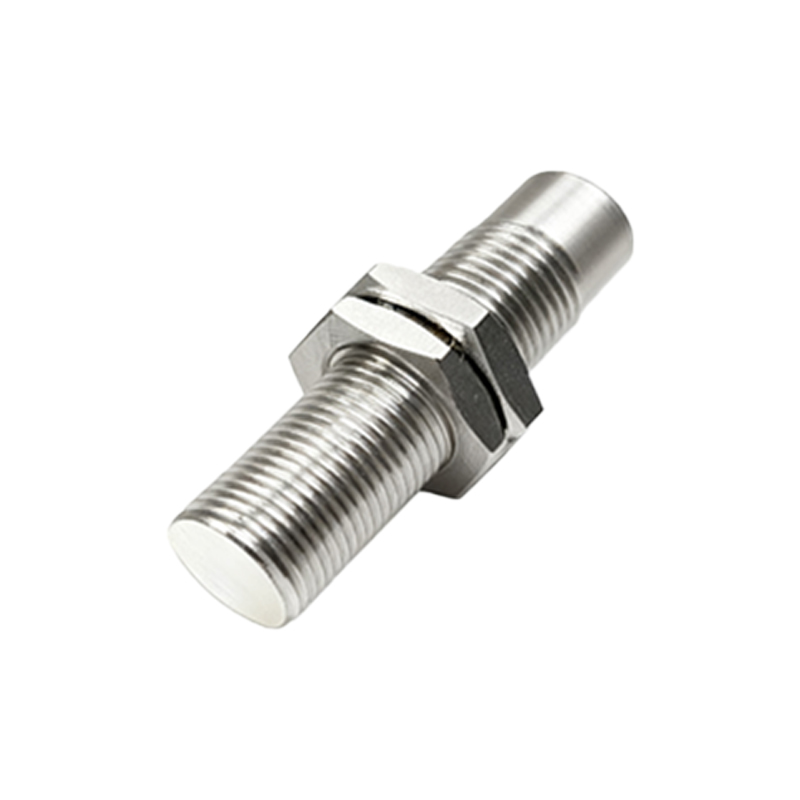
When integrating these sensors, several practical considerations must be addressed. Proper mounting is essential; the sensor should be securely fixed to prevent vibration-induced failure or misalignment. A minimum clearance between adjacent sensors and between the sensor and surrounding metal (the "non-target" metal) must be maintained to prevent mutual interference and false triggering. Electrical wiring should follow manufacturer guidelines, with attention to correct polarity, load current, and the use of surge protection devices in circuits with inductive loads like relays or solenoids. Regular maintenance, though minimal, involves keeping the sensing face clean from debris and periodically checking mounting integrity and electrical connections.
In conclusion, the square side proximity sensor is a fundamental pillar of modern industrial sensing. Its durable square design, non-contact operation, and high reliability make it an excellent choice for demanding automation environments. By understanding its technology, specifications, and application nuances, engineers can effectively select and deploy these sensors to enhance machine efficiency, ensure operational safety, and contribute to the seamless flow of automated production systems. As industries move towards greater connectivity and intelligence, the integration of smart sensor features will only expand the capabilities and value of this classic workhorse.