In the realm of industrial automation and electronic control systems, sensors play a pivotal role in detecting objects, measuring distances, and monitoring environmental changes. Among the diverse sensor types, proximity sensors and magnetic sensors are frequently employed for position detection and object sensing. However, a common question arises in engineering circles: Can proximity sensors and magnetic sensors be used interchangeably? To address this, it is essential to delve into their operating principles, applications, and limitations.
Proximity sensors are devices that detect the presence or absence of an object within a specific range without physical contact. They typically operate based on electromagnetic fields, capacitive effects, or inductive principles. Inductive proximity sensors, for instance, generate an oscillating electromagnetic field and detect changes caused by metallic objects. Capacitive variants sense changes in capacitance due to the presence of any material, including non-metals. These sensors are widely used in manufacturing lines, robotics, and safety systems where non-contact detection is crucial. Their key advantages include high reliability, resistance to environmental factors like dust or moisture, and fast response times. However, they are generally limited to short detection ranges and may be influenced by material properties.
On the other hand, magnetic sensors are designed specifically to detect magnetic fields or the presence of magnets. Common types include Hall effect sensors, reed switches, and magnetoresistive sensors. Hall effect sensors, for example, produce a voltage proportional to the magnetic field strength, making them ideal for position sensing in motors, speed detection in automotive systems, and current measurement. Reed switches are simple devices that close or open a circuit in response to a magnetic field, often used in security systems or low-power applications. Magnetic sensors excel in scenarios involving permanent magnets or electromagnetic sources, offering high precision and sensitivity to magnetic variations. Yet, they may be affected by external magnetic interference and are typically unsuitable for detecting non-magnetic materials.
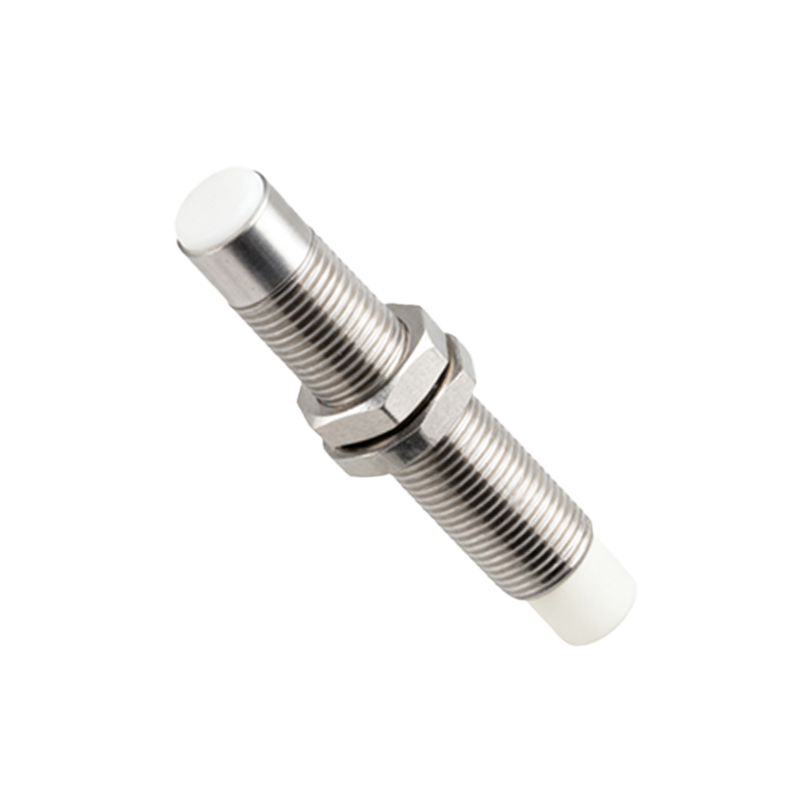
While both sensor categories serve detection purposes, their interchangeability is not straightforward. The primary distinction lies in their detection targets: proximity sensors respond to physical objects based on material properties, whereas magnetic sensors react solely to magnetic fields. For instance, an inductive proximity sensor can detect a metal part but will not sense a plastic object with an embedded magnet unless configured for capacitive sensing. Conversely, a magnetic sensor can detect a magnet embedded in any material but might ignore a non-magnetic metal object. Therefore, substituting one for the other depends heavily on the application requirements.
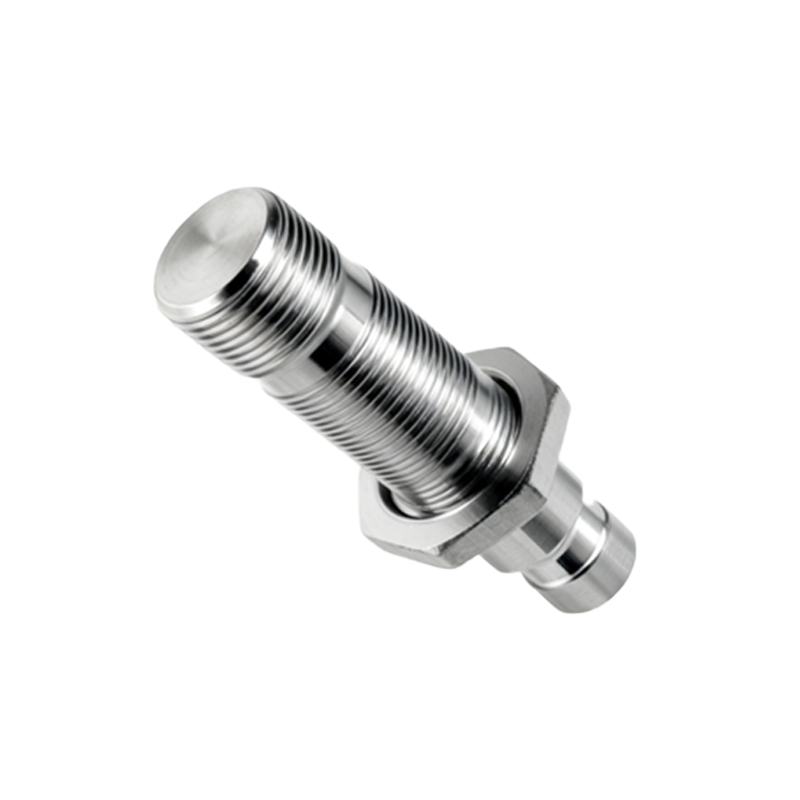
In practical engineering, the choice between proximity and magnetic sensors hinges on factors such as the target material, environmental conditions, required detection range, and cost considerations. For example, in an automotive assembly line where metallic components need to be counted, an inductive proximity sensor is often preferred due to its robustness and immunity to non-metallic debris. In contrast, for detecting the position of a rotating shaft with a magnet, a Hall effect sensor is more appropriate because it provides accurate angular measurements. Attempting to use a magnetic sensor in place of a proximity sensor for general object detection could lead to failures, especially if the objects lack magnetic properties.
Moreover, integration with control systems varies between these sensors. Proximity sensors often output digital signals (e.g., ON/OFF) based on object presence, while magnetic sensors might provide analog outputs for continuous monitoring. Engineers must consider compatibility with PLCs (Programmable Logic Controllers) or microcontrollers when designing circuits. Additionally, environmental factors like temperature, humidity, and electromagnetic noise can impact performance differently. Magnetic sensors, for instance, may require shielding in high-interference areas, whereas proximity sensors might need calibration for specific materials.
In summary, while proximity sensors and magnetic sensors share some overlapping functions in detection systems, they are not universally interchangeable. Their distinct operating principles dictate specific use cases. Engineers should evaluate the application needs thoroughly, considering target characteristics, environmental constraints, and system integration. By selecting the appropriate sensor type, one can ensure optimal performance, reliability, and efficiency in automated processes. As technology advances, hybrid sensors combining multiple detection methods may emerge, but for now, understanding the core differences remains key to effective implementation in the electrical and automation industries.