Laser sensor technology has emerged as a cornerstone of modern industrial automation, driving unprecedented levels of precision, efficiency, and safety. As a senior electrical engineer with decades of experience, I have witnessed the transformative journey of laser sensors from specialized laboratory instruments to indispensable components across manufacturing, logistics, and robotics. The core principle involves emitting a focused beam of light—typically from a laser diode—and analyzing the reflected signal to measure distance, displacement, position, or detect the presence of an object with micron-level accuracy.
Leading laser sensor enterprises are continuously pushing the boundaries of innovation. Key advancements include the development of ultra-compact Time-of-Flight (ToF) sensors for consumer electronics and autonomous vehicles, which calculate distance by measuring the round-trip time of a laser pulse. Another breakthrough is in confocal chromatic sensors, capable of measuring height and thickness on reflective or transparent surfaces, a task previously fraught with error. Furthermore, the integration of Artificial Intelligence and Machine Learning algorithms with laser sensing systems enables predictive maintenance, anomaly detection, and adaptive control in smart factories. Companies are also focusing on enhancing robustness, developing sensors that perform reliably in extreme environments characterized by dust, steam, vibration, and dramatic temperature fluctuations.
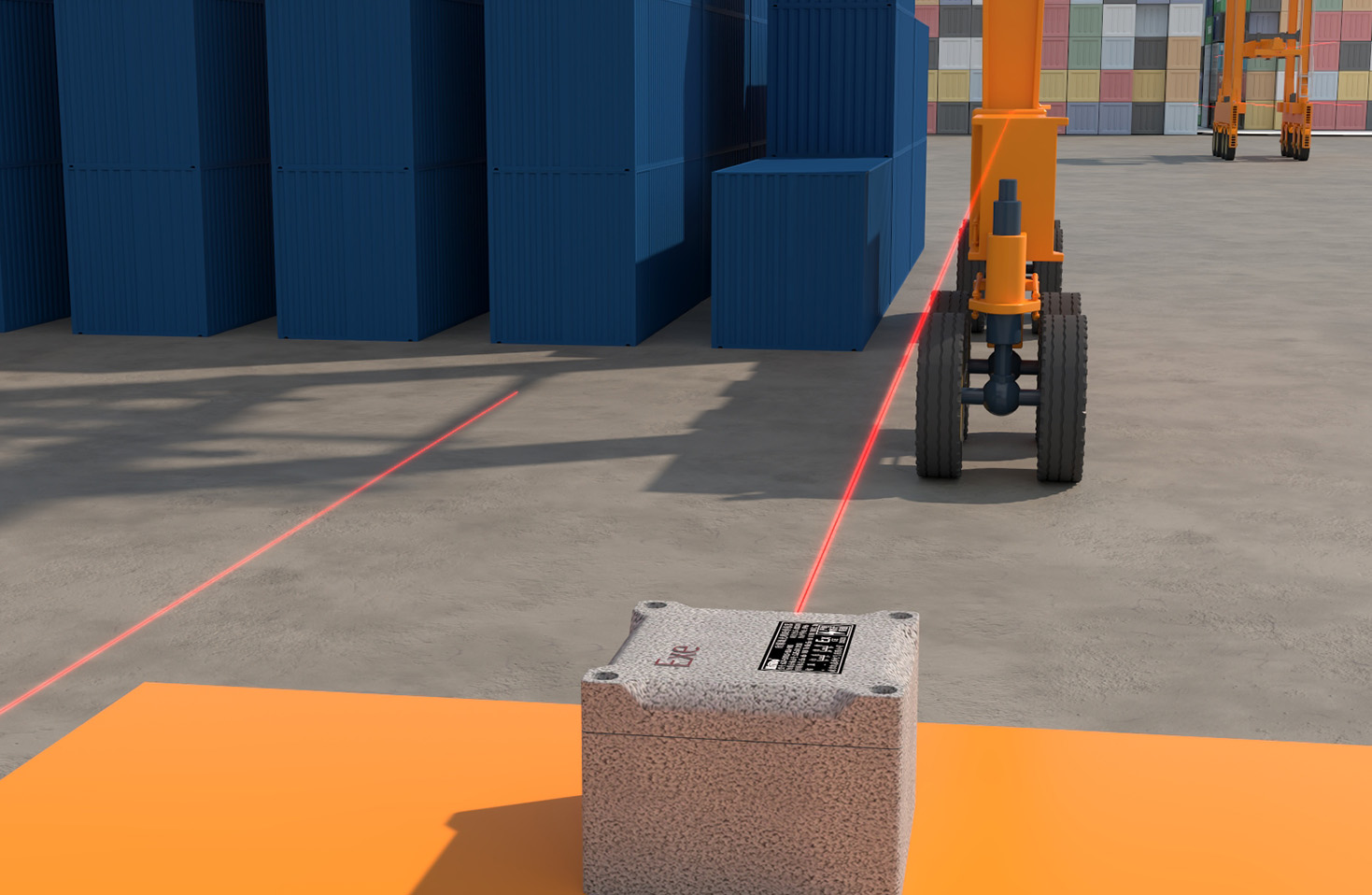
The applications are vast and sector-defining. In automotive manufacturing, laser sensors are critical for robotic welding, paint inspection, and gap measurement with flawless consistency. The electronics industry relies on them for PCB alignment, chip mounting, and wafer inspection. In logistics and warehousing, laser scanners form the "eyes" of automated guided vehicles (AGVs) and are essential for high-speed parcel dimensioning and sorting. Furthermore, safety laser scanners create invisible protective fields around hazardous machinery, instantly halting operation if a breach is detected, thereby safeguarding personnel.
For businesses looking to integrate this technology, selecting the right partner is paramount. A top-tier laser sensor manufacturer distinguishes itself not just by product specifications but through comprehensive system integration support, deep application engineering expertise, and global service networks. Key evaluation criteria should include measurement range, resolution, response time, environmental protection ratings (IP codes), communication protocol compatibility (e.g., IO-Link, Ethernet/IP, PROFINET), and long-term stability. The total cost of ownership, factoring in calibration needs and mean time between failures (MTBF), often outweighs the initial purchase price.

Looking ahead, the convergence of laser sensing with the Industrial Internet of Things (IIoT) and digital twin technology promises the next leap forward. Sensors will evolve from mere data collectors to intelligent nodes that communicate contextual information to cloud platforms, enabling real-time process optimization and virtual simulation of entire production lines. Another exciting frontier is in quantum sensing, which may redefine the limits of precision measurement. Companies that invest in R&D for these next-generation technologies, while maintaining rigorous quality standards for current products, will lead the market.
In conclusion, laser sensor enterprises are not merely component suppliers; they are enablers of industrial evolution. Their relentless pursuit of higher accuracy, faster speeds, and smarter interfaces directly translates to improved product quality, reduced waste, enhanced worker safety, and greater operational agility for their clients. As industries worldwide embrace Industry 4.0, the strategic importance of advanced laser sensing solutions will only continue to grow, solidifying their role as the bedrock of intelligent automation.