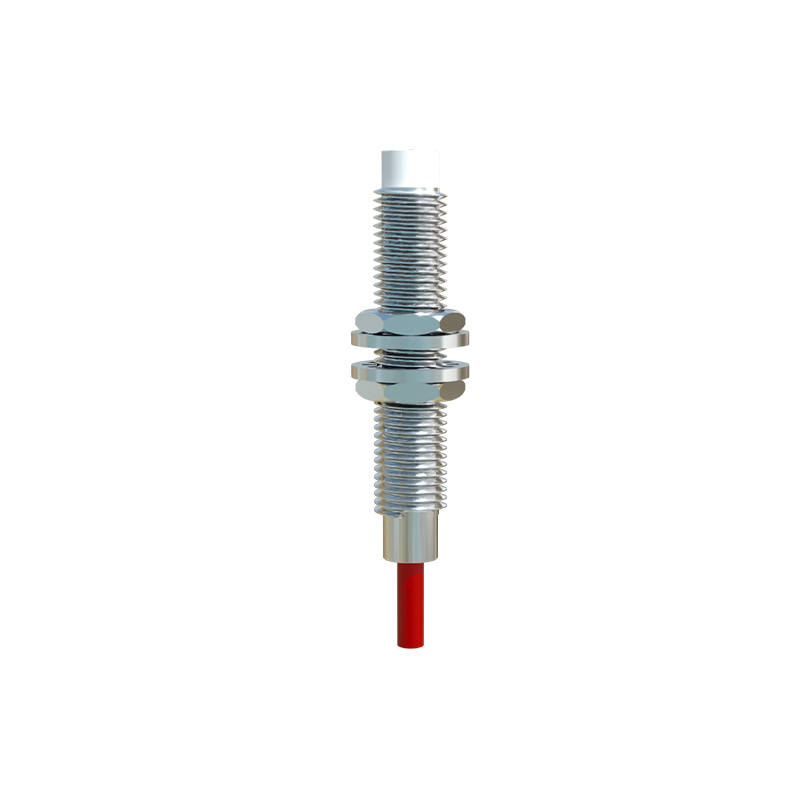
Photoelectric proximity sensors have become indispensable components in modern industrial automation, particularly within Putuo District's rapidly evolving manufacturing and technology sectors. These sensors operate on the principle of emitting a beam of light—typically infrared, visible red, or laser—and detecting changes in the received light signal caused by the presence or absence of a target object. Unlike inductive or capacitive sensors, photoelectric variants excel at detecting a wide range of materials, including non-metallic objects like plastics, glass, and liquids, making them exceptionally versatile.
In Putuo District, a hub for advanced manufacturing and logistics, these sensors are deployed across diverse applications. In automated packaging lines, they ensure precise product positioning and count verification. Within electronic assembly facilities, they verify component placement on printed circuit boards with micron-level accuracy. Logistics centers utilize them for parcel dimensioning, sorting, and robotic guidance, enhancing throughput and reducing errors. The district's focus on smart manufacturing and Industry 4.0 initiatives has further accelerated the adoption of advanced sensor technologies, with photoelectric sensors at the core of many data-driven automation systems.
Technological advancements have significantly enhanced sensor performance. Modern models feature robust housing designs (IP67 and higher) to withstand Putuo's industrial environments, resisting dust, moisture, and mechanical vibration. The integration of background suppression technology allows for reliable detection regardless of object color or reflectivity, a critical feature in complex sorting tasks. Furthermore, the advent of IO-Link communication enables real-time diagnostics, parameter adjustment, and predictive maintenance, minimizing downtime in continuous production processes.
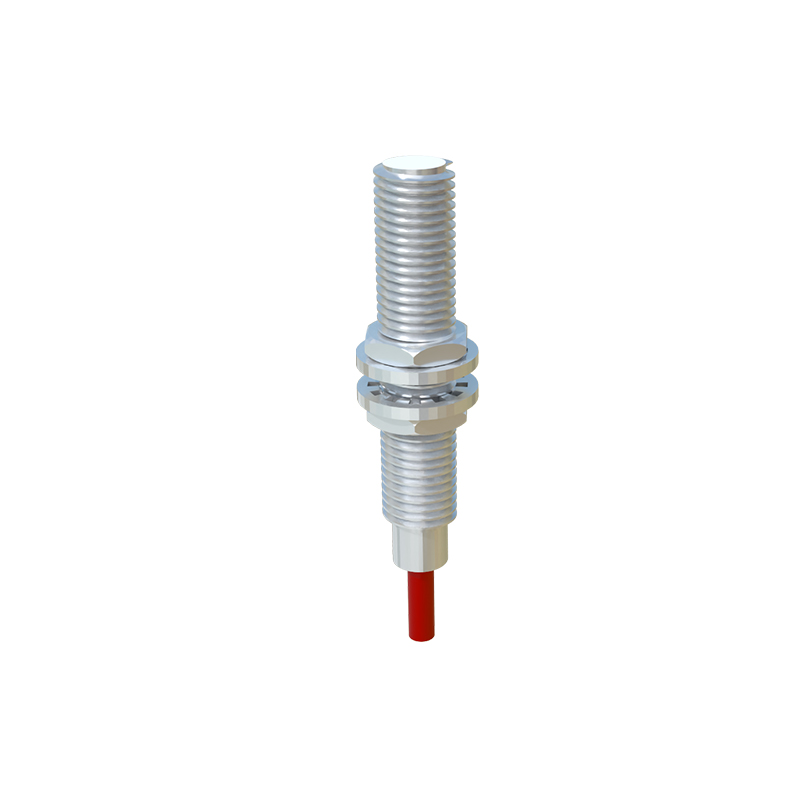
Selecting the appropriate photoelectric sensor requires careful consideration of several factors. The sensing mode—diffuse, retro-reflective, or through-beam—must align with the application's range, environmental conditions, and target characteristics. Through-beam sensors, with separate emitter and receiver units, offer the longest range and highest reliability for precise detection over distances. Diffuse sensors, with a single housing, are ideal for shorter ranges and detecting objects with varying surfaces. Response time, light source type, and output configuration (PNP/NPN) are also crucial parameters that engineers in Putuo District meticulously evaluate to ensure seamless integration into control systems.
The future of photoelectric sensing in the region is closely tied to the growth of the Internet of Things (IoT) and artificial intelligence. Sensors are evolving from simple detection devices into intelligent nodes that provide rich data on process efficiency, product quality, and machine health. This data fuels analytics platforms, enabling optimization and autonomous decision-making. As Putuo District continues to strengthen its position in high-tech industries, the demand for smarter, more connected, and more resilient photoelectric proximity sensors will undoubtedly rise, driving further innovation and solidifying their role as a cornerstone of industrial automation.