In industrial automation and everyday electronic devices, proximity switch sensors utilizing light sources play a crucial role in enabling non-contact detection and control. These sensors operate by emitting light—typically infrared, laser, or visible LED light—and detecting changes in the reflected light to determine the presence or absence of an object within a specified range. Unlike mechanical switches, they offer wear-free operation, high precision, and rapid response times, making them indispensable in manufacturing, robotics, automotive systems, and consumer electronics.
The core working principle involves a light emitter and a receiver. The emitter projects a light beam toward a target area. When an object enters this area, it reflects part of the light back to the receiver. The sensor's circuitry then analyzes the received light intensity or modulation pattern to trigger a switch signal. Some advanced versions use modulated light to minimize interference from ambient light, ensuring reliable performance even in challenging environments. Key variants include diffuse reflective sensors, where the emitter and receiver are housed together and detect light reflected directly from the object; through-beam sensors, with separate emitter and receiver units that detect interruptions in the light beam; and retro-reflective sensors, which employ a reflector to bounce light back to the receiver, ideal for longer detection ranges.
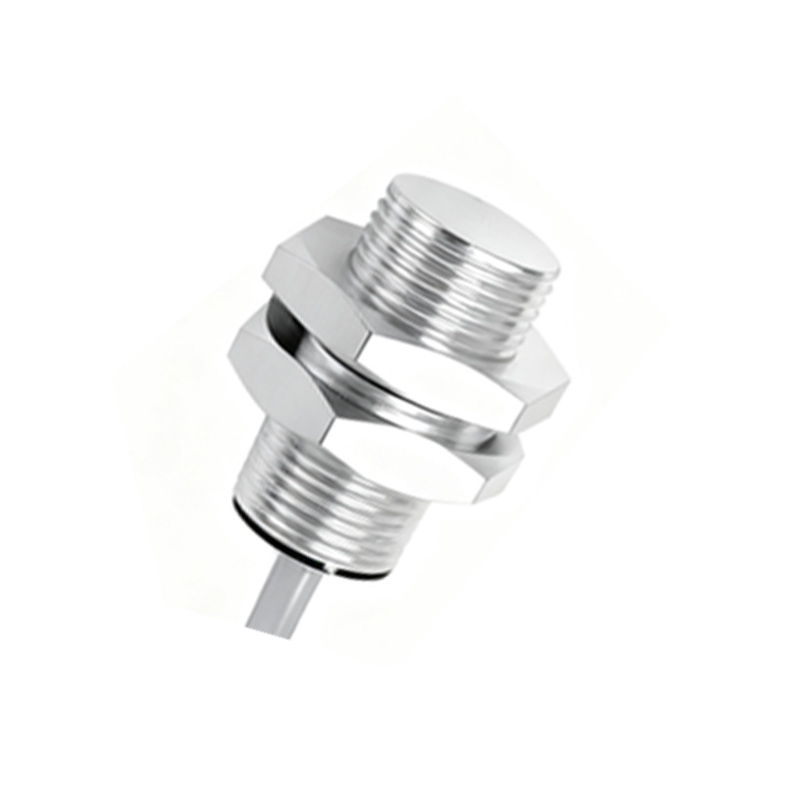
One significant advantage of light-based proximity switches is their versatility. They can detect objects regardless of material composition—whether metallic, plastic, glass, or liquid—as long as the surface reflects sufficient light. This contrasts with inductive or capacitive sensors, which are limited to conductive or dielectric materials, respectively. Additionally, these sensors offer adjustable sensing distances, often ranging from a few millimeters to several meters, depending on the design and light source strength. Their compact size allows for easy integration into tight spaces, while solid-state construction enhances durability against vibrations, dust, and moisture, especially in models with IP67 or higher ratings.
In practical applications, these sensors streamline processes across industries. On assembly lines, they count products, verify positioning, or control robotic arms. In automotive manufacturing, they ensure precise component placement and monitor safety systems. Consumer devices like smartphones use miniature versions for screen activation during calls. Moreover, their energy efficiency and low maintenance needs reduce operational costs over time. However, users must consider environmental factors: highly reflective surfaces may cause false triggers, while dark or absorbent materials might reduce detection reliability. Regular lens cleaning and proper alignment are essential for optimal performance.
Looking ahead, innovations in fiber-optic integration and smart sensor networks are expanding their capabilities. Modern sensors often include digital interfaces (e.g., IO-Link) for real-time diagnostics and parameter adjustments, aligning with Industry 4.0 trends. By combining light-based proximity switches with IoT platforms, industries can achieve predictive maintenance and enhanced automation. As technology advances, these sensors will continue to evolve, offering greater accuracy, miniaturization, and adaptability for emerging applications in fields like medical equipment and renewable energy systems.