In the automated and interconnected world of industrial and consumer electronics, the ability to detect the presence, absence, or position of an object without physical contact is fundamental. This capability is provided by universal proximity sensors, versatile devices that have become indispensable components across countless applications. Unlike simple switches, these sensors offer non-contact detection, leading to enhanced reliability, reduced mechanical wear, and the ability to sense a wide variety of materials.
At their core, proximity sensors work by emitting a field or beam of electromagnetic radiation or by using an electrostatic field. The sensor then detects changes in this field caused by the entry or movement of a target object within its sensing range. The term "universal" often refers to their adaptability in terms of mounting, output configuration, or the range of detectable materials. The most prevalent technologies include inductive, capacitive, ultrasonic, and photoelectric sensors, each with distinct operating principles and ideal use cases.
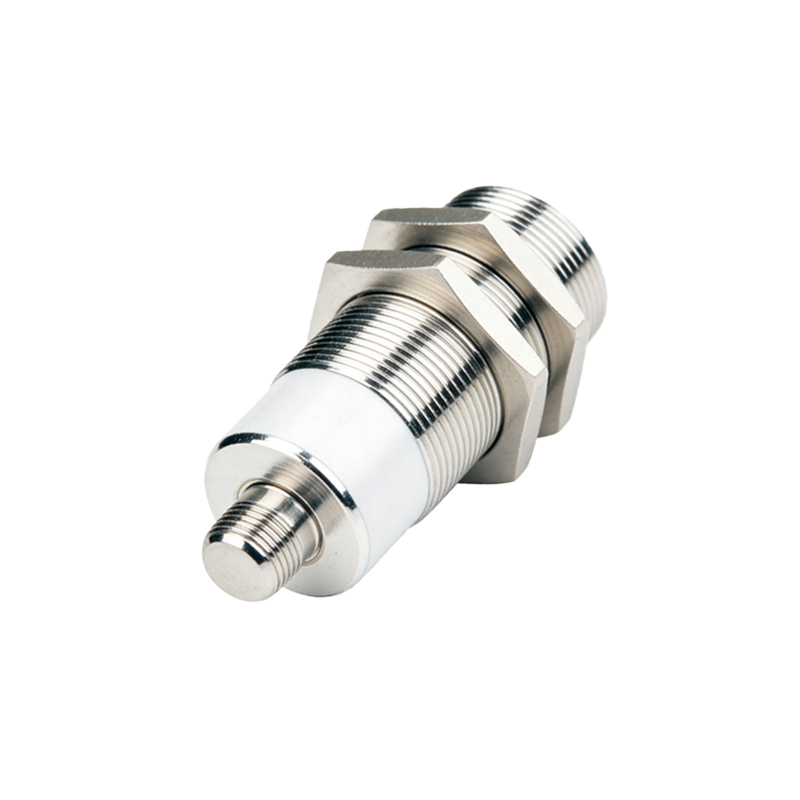
Inductive proximity sensors are the workhorses of metal detection. They generate an oscillating electromagnetic field. When a metallic target enters this field, it induces eddy currents within the metal, which dampens the oscillation of the sensor's circuit. This change is detected and triggers an output switch. These sensors are exceptionally robust, immune to environmental factors like dust, oil, or moisture, and are perfect for counting metal parts, determining position in machinery, or as end-stops in automated systems. However, they are inherently limited to detecting conductive metals, with ferrous materials like iron and steel typically offering the longest sensing ranges.
For non-metallic materials—liquids, powders, wood, plastic, or glass—capacitive proximity sensors are the solution. They function similarly to inductive sensors but generate an electrostatic field. Any object with a dielectric constant different from air (which is nearly all materials) will alter the capacitance of the sensor's field upon approach, triggering the output. This makes them ideal for level detection in tanks (liquid or granular), material handling, and detecting filled packaging. Their sensitivity can often be adjusted, but they can be susceptible to false triggers from humidity or contaminant buildup.
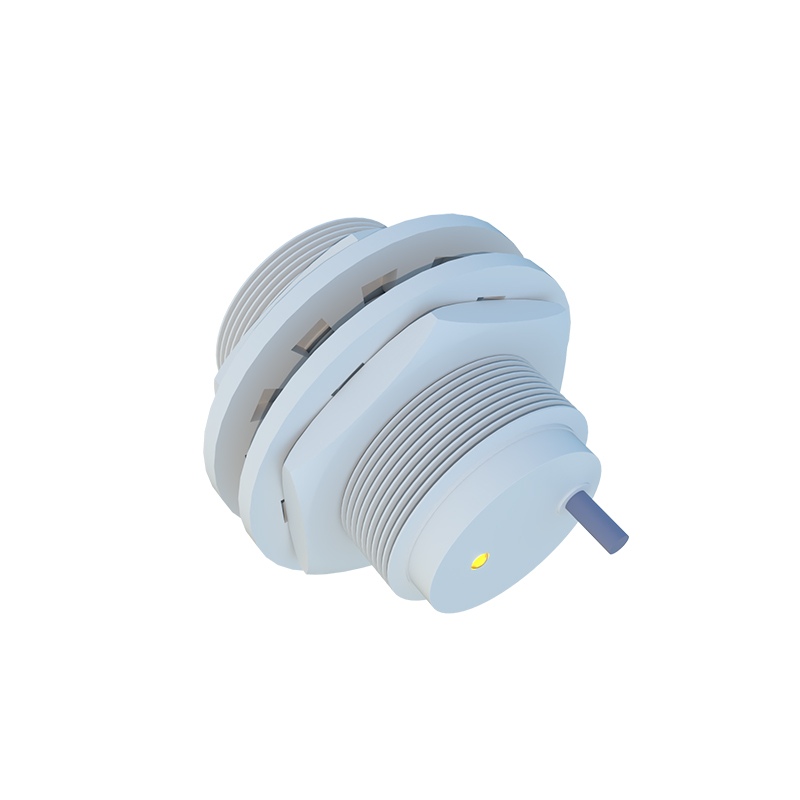
Photoelectric sensors utilize light, typically infrared, visible red, or laser. They consist of an emitter and a receiver. In the through-beam type, these are separate units; breaking the light beam indicates an object's presence. In the retro-reflective type, the sensor emits light to a reflector, and an object is detected when it blocks the reflected beam. The diffuse or proximity mode has the emitter and receiver in one housing, detecting light reflected directly off the target. Photoelectric sensors offer very long sensing ranges and can detect objects of almost any material, color, or finish, but their performance can be affected by ambient light, dust, fog, or the color and reflectivity of the target.
Ultrasonic sensors measure distance or presence using sound waves beyond human hearing. They emit high-frequency sound pulses and calculate the time for the echo to return. This time-of-flight measurement allows for precise distance monitoring and detection of objects regardless of color, transparency, or material, making them excellent for challenging conditions where other sensors might fail. They are widely used in level measurement, collision avoidance in AGVs (Automated Guided Vehicles), and loop control. Their drawbacks can include a slower response time and potential inaccuracies with soft, sound-absorbing materials or in environments with significant air turbulence.
Selecting the right universal proximity sensor requires a careful analysis of the application. Key parameters include the target material (metal, plastic, liquid), required sensing distance, environmental conditions (temperature, presence of contaminants), required output type (digital NPN/PNP, analog, IO-Link), switching frequency, and electrical requirements. For instance, a washdown area in a food processing plant would necessitate a sealed inductive or capacitive sensor with a high IP rating, while a transparent bottle on a high-speed filling line would best be detected by a precise diffuse photoelectric sensor.
The evolution of Industry 4.0 and the Industrial Internet of Things (IIoT) is further expanding the role of these sensors. Modern "smart" sensors come with integrated diagnostics, parameterization via software, and communication protocols like IO-Link. This allows for predictive maintenance, where a sensor can report its health or warn of gradual signal degradation before a failure causes downtime, and easier integration into complex networked control systems.
From the smartphone in your pocket that turns off the display when held to your ear, to the sophisticated robotic assembly line building that phone, universal proximity sensors operate silently and reliably. Their diversity in technology ensures there is a sensing solution for nearly every challenge, making them a foundational element in creating efficient, safe, and intelligent automated systems. Understanding their principles and applications is the first step toward leveraging their full potential in any design or maintenance scenario.