In the realm of industrial automation and safety, laser explosion-proof sensors have become indispensable tools for hazardous environments where flammable gases, vapors, or dusts are present. These sophisticated devices, designed to prevent ignition sources in classified areas, come with a wide range of price points that can often perplex procurement specialists and engineers. The cost of a laser explosion-proof sensor is not merely a reflection of its basic functionality but a composite of several critical factors that dictate its performance, certification, and long-term value.
Primarily, the price is heavily influenced by the required certification standards. Sensors intended for use in Zone 0, 1, or 21 areas—where explosive atmospheres are present continuously or for long periods—require more rigorous design and testing to meet standards like ATEX, IECEx, or UL. A device certified for Zone 0 (ATEX Category 1G for gases) will inherently be more expensive than one rated for Zone 2 (Category 3G), due to the enhanced protection levels such as intrinsic safety (Ex ia) or flameproof enclosures (Ex d). The complexity of achieving and maintaining these certifications directly impacts manufacturing costs.
The core laser technology itself is a major cost driver. Sensors utilizing high-precision Class 2 or Class 1 lasers with advanced modulation for accurate detection in challenging conditions (e.g., through steam or fine dust) command a higher price. Features like background suppression, high switching frequency, precise spot size, and long sensing ranges add to the technological sophistication and cost. For instance, a sensor with a 50-meter range and sub-millimeter resolution will be priced significantly higher than a standard 5-meter range device.
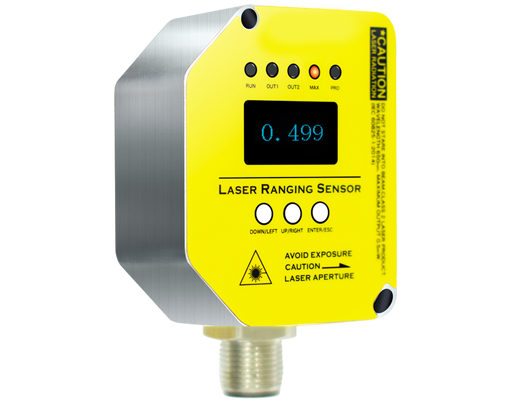
Build quality and material selection are paramount. The housing must be constructed from robust, corrosion-resistant materials like stainless steel or specially coated aluminum to withstand harsh industrial environments. The optical window material, often hardened glass or specific polymers, must maintain clarity and integrity under chemical exposure and physical abrasion. These material choices, essential for durability and safety, contribute substantially to the unit cost.
Integration capabilities and output options also affect pricing. Modern sensors offering digital interfaces (IO-Link, PROFINET, EtherNet/IP), analog outputs, or customizable logic functions provide greater value for Industry 4.0 applications but involve more complex electronics. Additional features like built-in diagnostics, temperature compensation, or adjustable sensing parameters through software further elevate the price compared to basic on/off models.
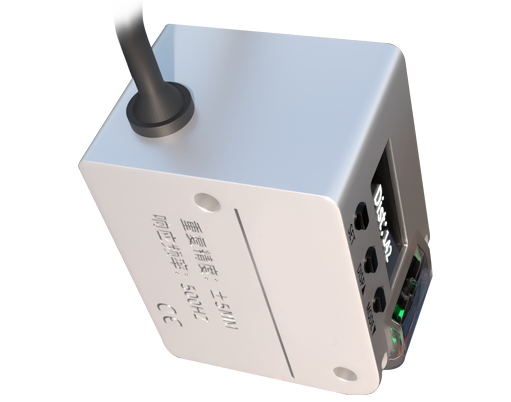
Brand reputation and after-sales support form another cost layer. Established manufacturers with proven track records in safety-critical applications often price their products higher, justified by extensive R&D, rigorous quality control, global technical support, and readily available spare parts. While initial purchase price might be lower for generic alternatives, the total cost of ownership (TCO)—considering reliability, maintenance, and potential downtime—often favors investing in reputable brands for critical safety functions.
Market dynamics and order volume play their role. Standard, off-the-shelf models are generally more affordable. Customized sensors tailored for specific applications (e.g., unusual form factors, special wavelengths, or combined with other sensing technologies) incur significant engineering and setup costs. Furthermore, purchasing in bulk typically reduces the per-unit cost.

In conclusion, the price of a laser explosion-proof sensor is a multifaceted equation balancing safety certification, technological performance, construction quality, smart features, and brand value. A thorough evaluation should always prioritize the specific application requirements and the sensor's suitability for the hazardous area classification over upfront cost alone. Investing in the correct, high-quality sensor is an investment in operational safety, reliability, and long-term productivity, mitigating risks that far outweigh the initial financial outlay.