In the rapidly evolving landscape of industrial automation, glass proximity sensors have become indispensable components, offering precise detection capabilities in harsh environments. Selecting the right supplier for these sensors is a critical decision that impacts operational efficiency, product quality, and long-term reliability. This article provides a comprehensive guide on evaluating and choosing glass proximity sensor suppliers, tailored for engineers and procurement professionals in the electrical and automation sectors.
First, it is essential to understand the technical specifications and application requirements. Glass proximity sensors are often used in settings where durability, resistance to chemicals, and optical clarity are paramount, such as in semiconductor manufacturing, food processing, or automotive assembly lines. Key parameters to consider include sensing distance, response time, output type (e.g., NPN, PNP, or analog), and environmental ratings like IP67 or higher for dust and water resistance. A reputable supplier should provide detailed datasheets and technical support to help match these specifications with your project needs.
When assessing potential suppliers, start by examining their industry experience and reputation. Look for companies with a proven track record in producing high-quality glass sensors, evidenced by certifications such as ISO 9001 for quality management or specific industry standards like UL or CE marks. Customer reviews, case studies, and references from similar industries can offer insights into reliability and performance. For instance, a supplier with extensive experience in automotive applications may be better suited for projects requiring high-precision detection under extreme temperatures.
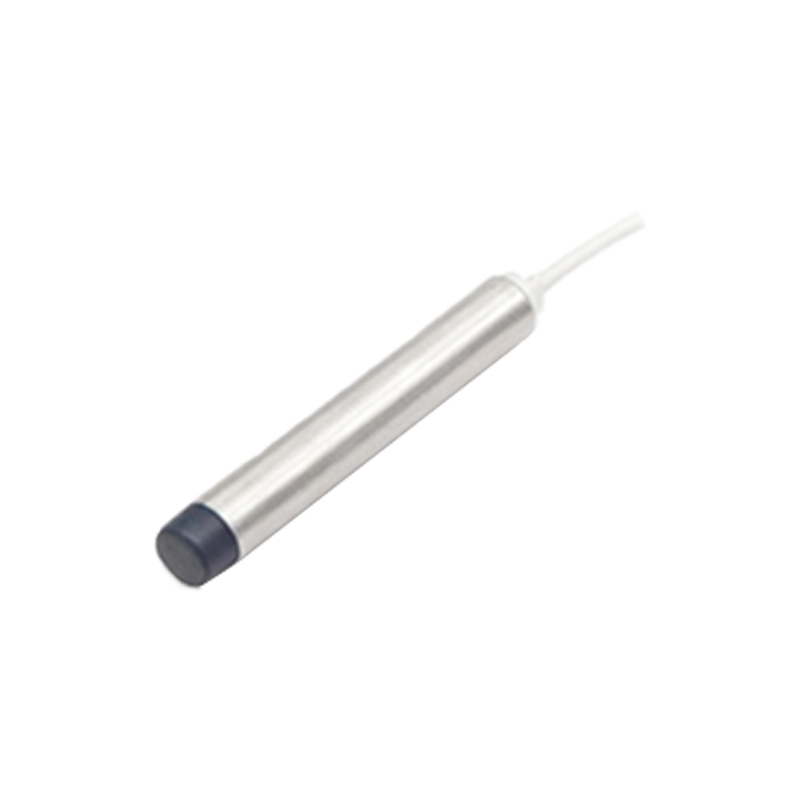
Quality assurance is another crucial factor. Inquire about the supplier's manufacturing processes, including the sourcing of raw materials like optical glass and electronic components. Advanced suppliers often employ automated production lines and rigorous testing protocols, such as 100% functional testing or environmental stress screening, to ensure each sensor meets stringent quality criteria. Request samples to conduct your own tests in real-world conditions, checking for consistency in sensing accuracy, durability against impacts, and resistance to contaminants like oils or solvents.
Cost considerations should not overshadow quality, but a balanced approach is necessary. Obtain detailed quotations that break down costs per unit, including potential discounts for bulk orders or long-term contracts. However, be wary of prices that seem too low, as they may indicate compromises in material quality or manufacturing standards. Instead, evaluate the total cost of ownership, which includes factors like warranty periods, lead times, and after-sales support. A supplier offering a robust warranty (e.g., 3-5 years) and responsive technical assistance can reduce downtime and maintenance expenses over time.
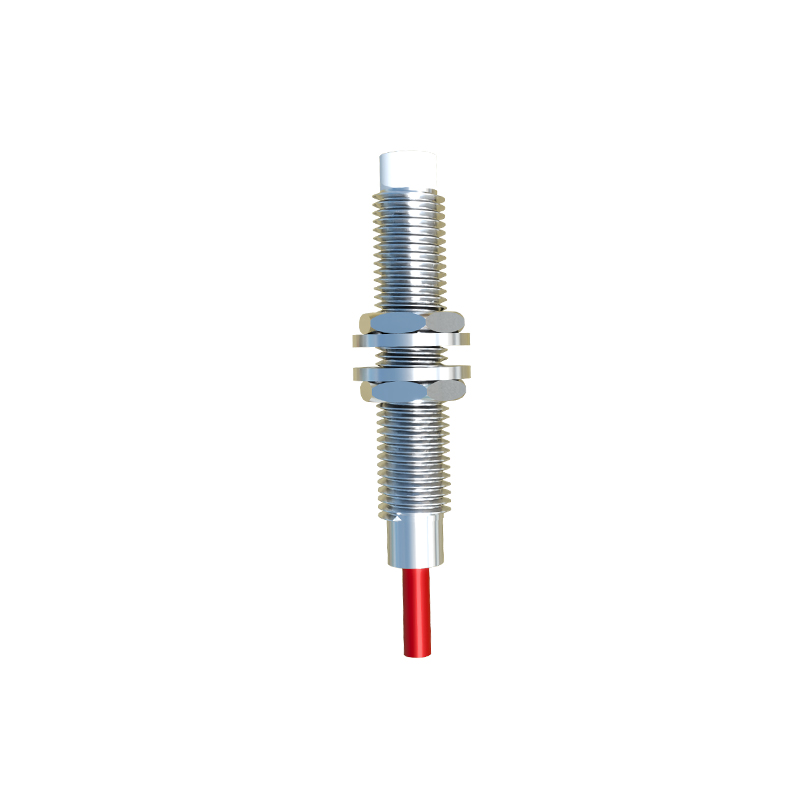
Innovation and customization capabilities are increasingly important in today's competitive market. As industrial applications grow more complex, you may need sensors with tailored features, such as specific lens coatings for enhanced sensitivity or compact designs for space-constrained installations. Discuss with suppliers their R&D resources and ability to develop custom solutions. A forward-thinking supplier that invests in research and adapts to emerging trends—like IoT integration for smart sensor networks—can provide long-term value by future-proofing your systems.
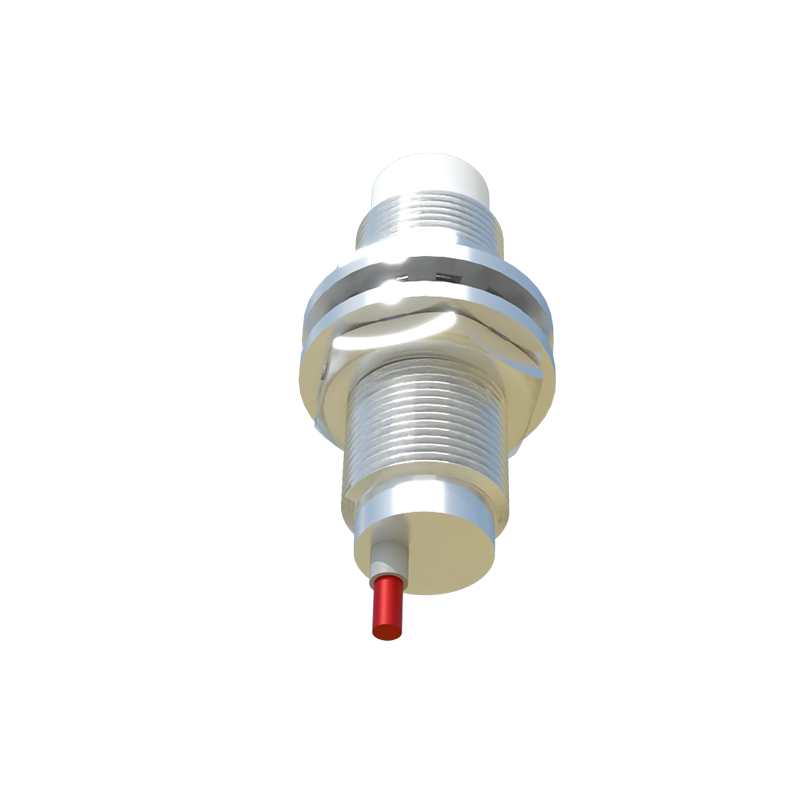
Logistics and supply chain stability are also vital. Assess the supplier's production capacity and delivery reliability, especially if you require just-in-time inventory or operate in global markets. Disruptions in the supply chain can lead to costly delays, so choose suppliers with transparent communication channels and contingency plans. Additionally, consider their geographic location; local suppliers might offer faster shipping and better support, while international ones could provide cost advantages or specialized expertise.
Finally, establish a partnership mindset. The best supplier relationships are built on collaboration and trust. Engage in open dialogues about your expectations, share feedback on product performance, and explore opportunities for joint improvements. Regular audits or site visits can strengthen this partnership, ensuring alignment on quality and innovation goals.
In summary, selecting a glass proximity sensor supplier involves a multi-faceted evaluation of technical expertise, quality control, cost-effectiveness, and logistical support. By prioritizing these factors and conducting thorough due diligence, you can secure a reliable supplier that enhances your operational resilience and drives success in demanding industrial environments.