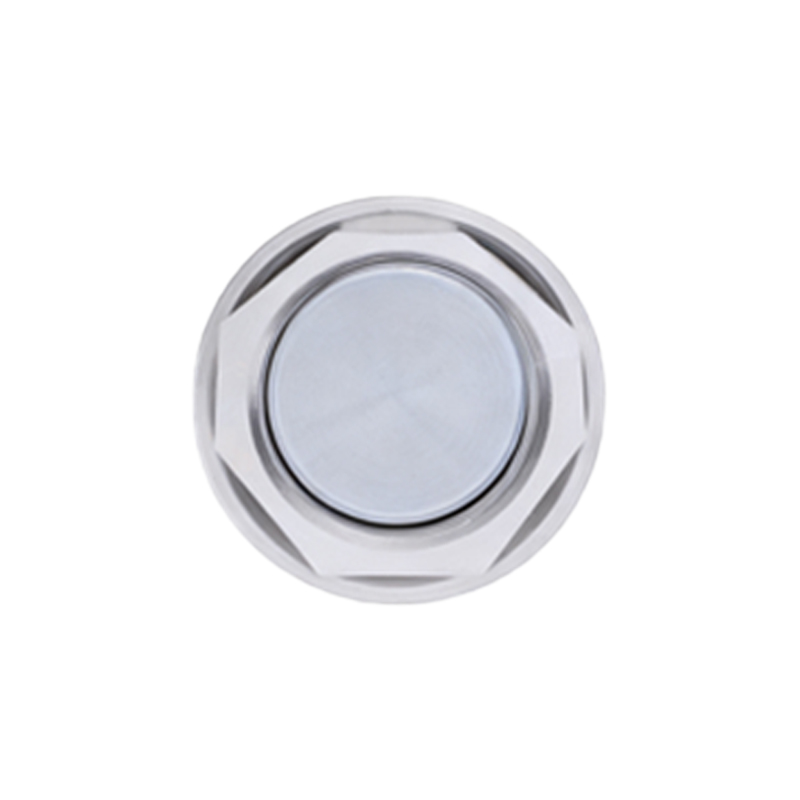
Proximity sensors are widely used in industrial automation for detecting the presence or absence of objects without physical contact. Among various types, inductive proximity sensors are particularly common due to their reliability and durability. However, a frequent question arises in the field: Can proximity sensors detect aluminum objects? The answer is not straightforward, as it depends on the sensor type, material properties, and application conditions.
Inductive proximity sensors operate by generating an electromagnetic field. When a metallic object enters this field, eddy currents are induced in the material, causing a change in the sensor's oscillation amplitude. This change triggers the sensor to output a detection signal. Typically, these sensors are optimized for ferrous metals like iron and steel, which have high magnetic permeability. Aluminum, being a non-ferrous metal with low magnetic permeability, presents a challenge. Standard inductive sensors may have reduced sensing ranges or fail to detect aluminum reliably because aluminum's conductivity and permeability differ significantly from ferrous materials.
To address this, specialized inductive proximity sensors are designed specifically for non-ferrous metals such as aluminum. These sensors often feature higher operating frequencies or adjusted sensitivity to better respond to the unique electrical characteristics of aluminum. For instance, aluminum has higher electrical conductivity than steel, which can lead to stronger eddy currents but weaker magnetic interaction. Manufacturers may calibrate sensors to account for these factors, ensuring consistent detection. In practice, the sensing distance for aluminum is typically shorter than for steel—often reduced by 40% to 60%—so engineers must carefully select sensors with appropriate specifications.
Capacitive proximity sensors offer an alternative for detecting aluminum. Unlike inductive sensors, capacitive types detect any material that affects an electrostatic field, including metals, plastics, and liquids. They work by measuring changes in capacitance when an object enters the sensing area. For aluminum, capacitive sensors can be effective, especially in applications where non-metallic materials also need detection. However, they may be influenced by environmental factors like humidity or contamination, requiring proper shielding and calibration.
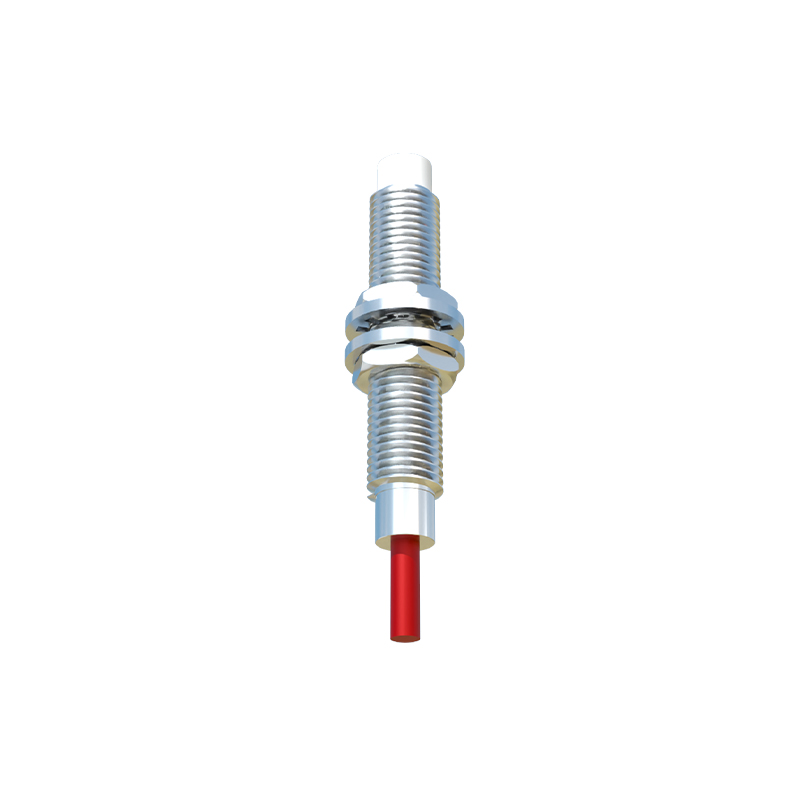
Ultrasonic proximity sensors are another option, using sound waves to detect objects regardless of material composition. These sensors can reliably detect aluminum parts, but they might be affected by surface texture or angle. For example, a smooth aluminum surface could reflect sound waves differently than a rough one, potentially impacting accuracy.
In real-world applications, detecting aluminum with proximity sensors requires careful consideration. Factors such as the alloy composition of aluminum (e.g., pure aluminum vs. aluminum with additives), object size, shape, and sensor mounting position all influence performance. Engineers should consult sensor datasheets, which often provide correction factors for different materials. For instance, a sensor with a 10mm sensing range for steel might only achieve 5mm for aluminum. Testing in the actual environment is crucial to ensure reliability.
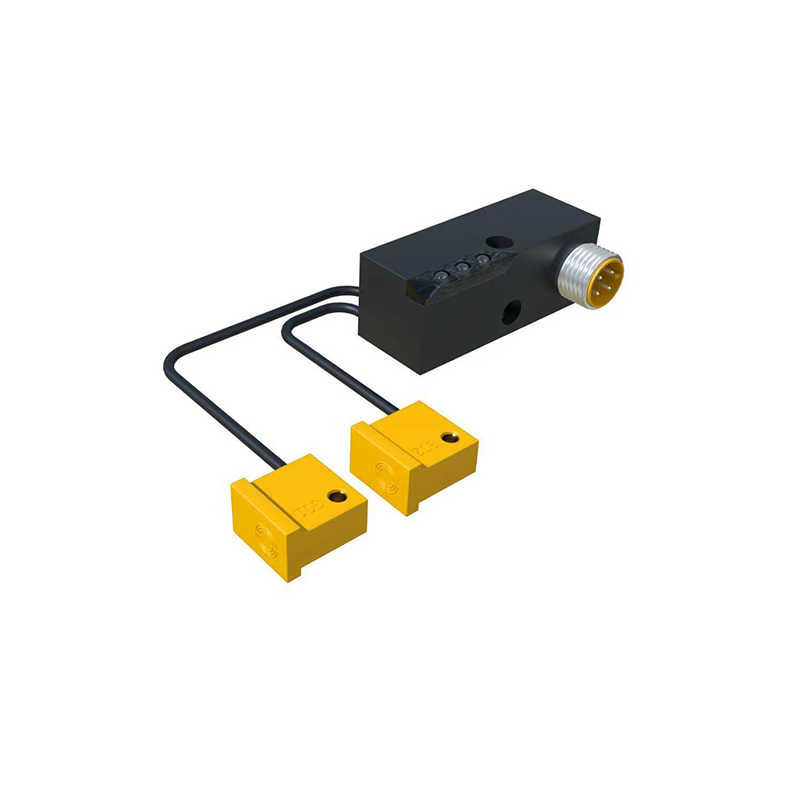
Moreover, advancements in sensor technology have led to hybrid or multi-material sensors that can adapt to various metals, including aluminum. These smart sensors use algorithms to adjust sensitivity dynamically, improving detection accuracy in complex industrial settings.
In summary, while standard inductive proximity sensors may struggle with aluminum, specialized inductive, capacitive, or ultrasonic sensors can effectively detect it. The key is to match the sensor type to the specific application requirements, considering material properties and environmental conditions. By doing so, engineers can leverage proximity sensors for aluminum detection in automation, robotics, and manufacturing processes, enhancing efficiency and safety.