In the modern automotive industry, tire pressure monitoring has evolved from a manual check to a sophisticated, automated system integral to vehicle safety and efficiency. Proximity tire pressure sensors represent a significant advancement in this domain, offering real-time, accurate data that directly impacts driving dynamics, fuel economy, and overall safety. Unlike traditional direct sensors mounted inside the tire valve, proximity sensors utilize non-contact technology to measure pressure indirectly, often through magnetic or electromagnetic field variations as the wheel rotates. This design inherently reduces mechanical wear and vulnerability to damage from road debris or improper handling during tire changes.
The core function of a proximity tire pressure sensor is to continuously monitor the air pressure within each tire and relay this information to the vehicle's central computer or dashboard display. When pressure deviates from the manufacturer's recommended level—typically due to underinflation, punctures, or temperature changes—the system triggers an immediate alert to the driver. This prompt notification is crucial, as underinflated tires are a leading cause of tire blowouts, reduced traction, and increased braking distances. By preventing such scenarios, proximity sensors play a vital role in averting accidents, especially at high speeds or in adverse weather conditions.
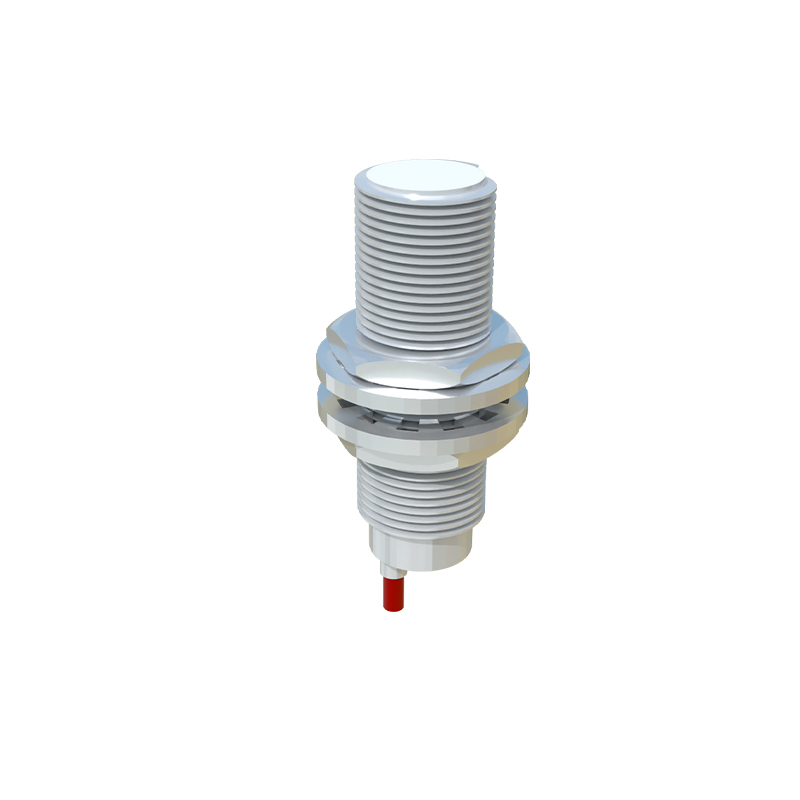
From a performance perspective, maintaining optimal tire pressure through these sensors ensures that the tire's contact patch with the road remains consistent. This consistency enhances handling precision, cornering stability, and overall vehicle responsiveness. Moreover, properly inflated tires minimize rolling resistance, which directly translates to improved fuel efficiency. Studies indicate that a tire underinflated by just 10% can increase fuel consumption by up to 2%, making proximity sensors not only a safety feature but also an economic and environmental asset. The sensors' ability to operate reliably across diverse temperatures and driving conditions—from freezing winters to scorching summers—adds to their robustness in modern automotive applications.
Another key advantage lies in the durability and maintenance aspects. Since proximity sensors are not physically embedded within the tire's air chamber, they are less prone to corrosion from moisture or chemical exposure. Their installation and calibration are generally simpler, reducing service time and costs over the vehicle's lifespan. As automotive technology shifts toward electric and autonomous vehicles, the integration of such sensors with advanced driver-assistance systems (ADAS) becomes increasingly important. For instance, data from proximity sensors can be used to adjust suspension settings or optimize regenerative braking in electric cars, contributing to a smoother, more efficient ride.
In summary, proximity tire pressure sensors are a pivotal innovation in automotive safety and performance. By providing accurate, real-time monitoring without direct tire contact, they help prevent accidents, extend tire life, boost fuel economy, and support the evolving needs of next-generation vehicles. As regulations worldwide mandate tire pressure monitoring systems, the adoption of proximity-based technology is set to grow, underscoring its critical role in the future of transportation.