In the realm of industrial automation and machine safety, proximity sensors play a pivotal role. Among the diverse technologies available, Laser Infrared Proximity Switch Sensors stand out for their precision, reliability, and versatility. These sensors utilize a focused beam of infrared light, typically from a laser diode, to detect the presence or absence of an object within a specified range without any physical contact. This non-contact detection method is crucial in environments where contamination, mechanical wear, or high-speed operations are concerns.
The fundamental operating principle is based on the emission and reception of infrared light. The sensor's emitter projects a coherent, narrow beam of infrared light towards a target area. When an object enters this beam's path, it reflects a portion of the light back to the sensor's receiver. The internal circuitry, often comprising a phototransistor or photodiode, then processes this reflected signal. By analyzing the intensity or the time-of-flight of the returned light, the sensor can determine the object's presence and, in more advanced models, its distance. This leads to a digital output signal (typically a switch signal like PNP or NPN) that interfaces directly with programmable logic controllers (PLCs), robotics, or other control systems.
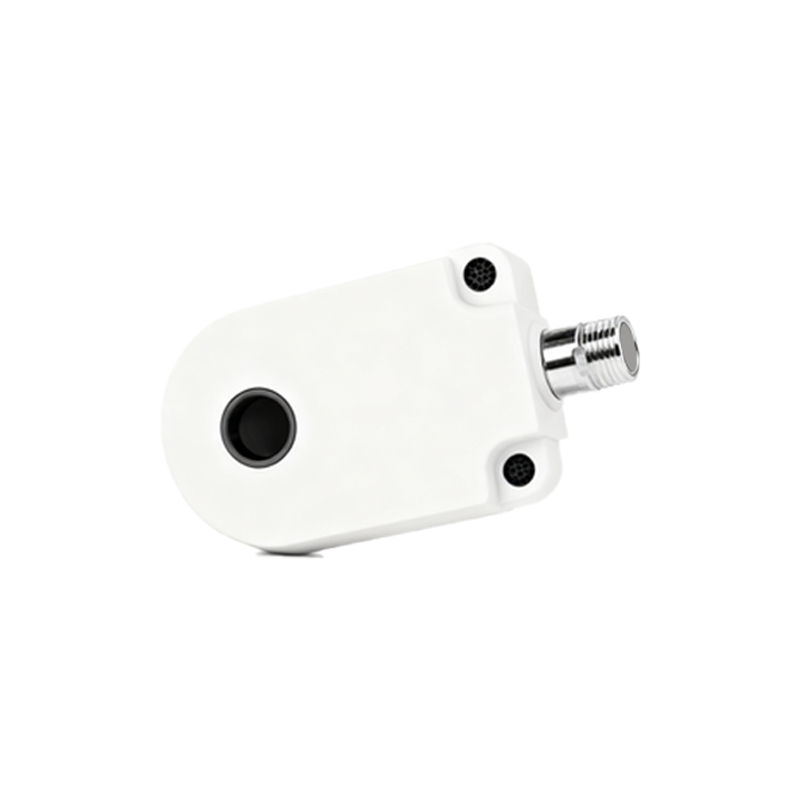
Key advantages of laser infrared proximity sensors are numerous. First is their exceptional accuracy and sensing range. The collimated laser beam allows for precise detection of small objects or precise edges at distances that can exceed several meters, far surpassing standard diffuse or retro-reflective sensors. Second, they exhibit high immunity to ambient light interference. By modulating the emitted infrared light at a specific frequency and tuning the receiver to that same frequency, these sensors effectively filter out background light from factory lighting or sunlight, ensuring stable operation. Third, their response time is extremely fast, often in the microsecond range, making them ideal for high-speed production lines, packaging machinery, and automated assembly systems where every millisecond counts.
Common industrial applications are widespread. They are extensively used in material handling for object counting, positioning, and jam detection on conveyor belts. In automotive manufacturing, they ensure precise part placement and robot guidance. The electronics industry relies on them for wafer handling and component verification. Furthermore, their ability to detect transparent objects, like glass or plastic films, which often challenge other optical sensors, makes them invaluable in bottling plants and packaging lines.
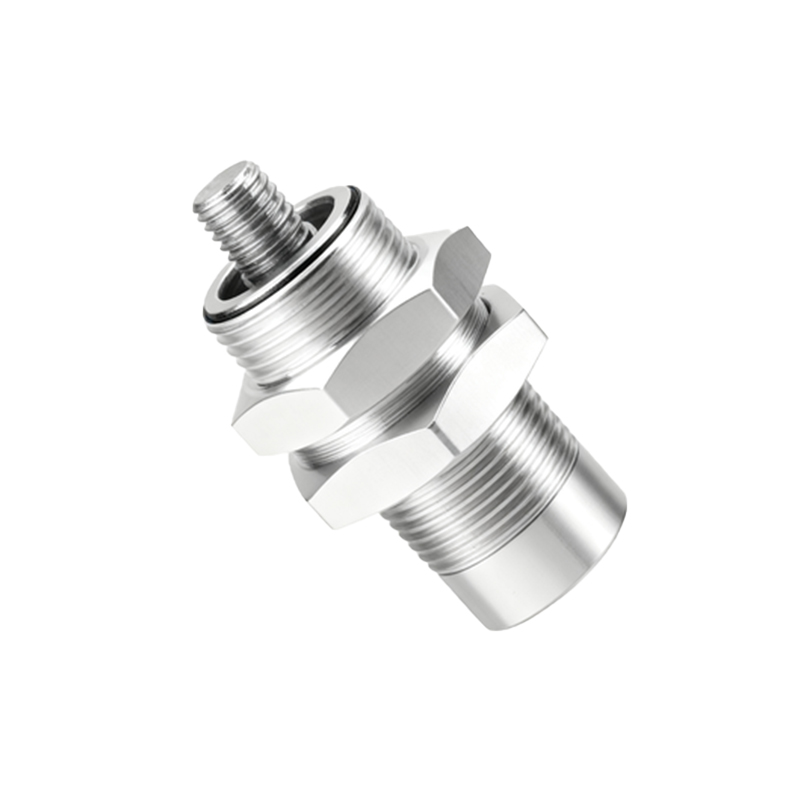
When selecting a laser infrared proximity switch, several parameters require careful consideration. The sensing range must match the application's needs. The type of output (e.g., analog for distance measurement or discrete for simple on/off switching) should align with the control system. Environmental factors like temperature extremes, dust, moisture, or vibration dictate the required ingress protection (IP) rating, often IP67 or higher for harsh industrial settings. The choice of housing material, typically stainless steel or ruggedized plastic, also impacts durability.
Installation and alignment are critical for optimal performance. The sensor must be mounted securely to prevent misalignment from vibration. The target object's surface properties—its color, reflectivity, and texture—can affect the sensing performance. While laser sensors are less affected by color variations than visible light sensors, highly reflective or absorbent surfaces may require sensitivity adjustment during setup. Regular maintenance involves keeping the lens clean from dust and oil buildup to prevent false triggers or reduced range.
Looking ahead, the integration of smart features is a growing trend. Modern laser infrared proximity sensors increasingly come with IO-Link communication, allowing for parameter configuration, remote monitoring, and predictive maintenance data exchange directly from the sensor to the control network. This enhances system flexibility and reduces downtime.
In conclusion, Laser Infrared Proximity Switch Sensors are a sophisticated and essential component in today's automated industrial landscape. Their combination of long-range, pinpoint accuracy, speed, and environmental robustness makes them a preferred choice for engineers seeking reliable non-contact detection solutions. As Industry 4.0 advances, their role in enabling precise, interconnected, and intelligent manufacturing processes will only become more pronounced.