For electrical engineers, procurement specialists, and system integrators, determining the cost of standard proximity sensors is a critical step in project budgeting and component selection. The price of these ubiquitous industrial workhorses is not a single figure but a spectrum influenced by a complex interplay of factors. Understanding this pricing landscape is essential for making informed, cost-effective decisions without compromising on performance or reliability.
At the most fundamental level, standard proximity sensors are categorized by their sensing technology and output type, which form the primary cost drivers. Inductive sensors, designed to detect metallic objects, are generally the most economical entry point. A basic, barrel-style inductive sensor with a 12-24V DC supply, PNP normally-open output, and a sensing range of 4mm might start in the range of $15 to $40 USD per unit for common brands. Capacitive sensors, capable of detecting both metallic and non-metallic materials, typically command a 20-30% premium over their inductive counterparts due to their more complex circuitry. Ultrasonic sensors, offering longer ranges and material-independent detection, see prices beginning around $50 and can rise significantly based on range and feature set.
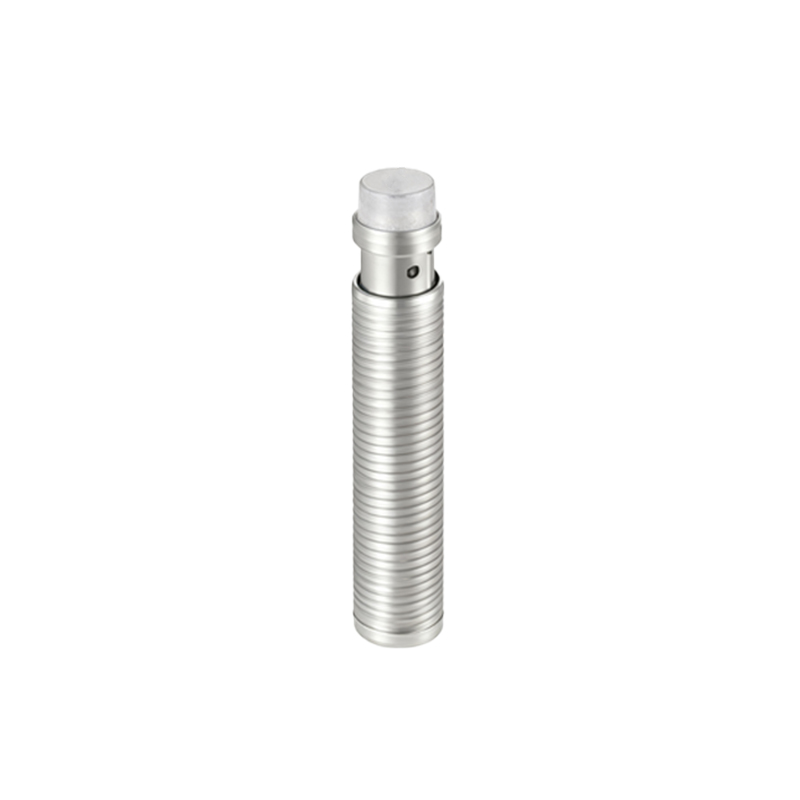
Beyond the core technology, specifications dramatically impact the price. Sensing range is a direct cost factor; an inductive sensor with an 8mm range will cost more than one with a 2mm range. The housing material is another key differentiator. Standard nickel-plated brass or plastic housings are cost-effective, while sensors with stainless steel housings (e.g., V2A or V4A grades) for corrosive or washdown environments can double or triple the unit price. Connection method also plays a role: sensors with pre-wired cables are convenient but often more expensive than those with quick-disconnect (M8 or M12) connectors, which require a separate cable purchase.
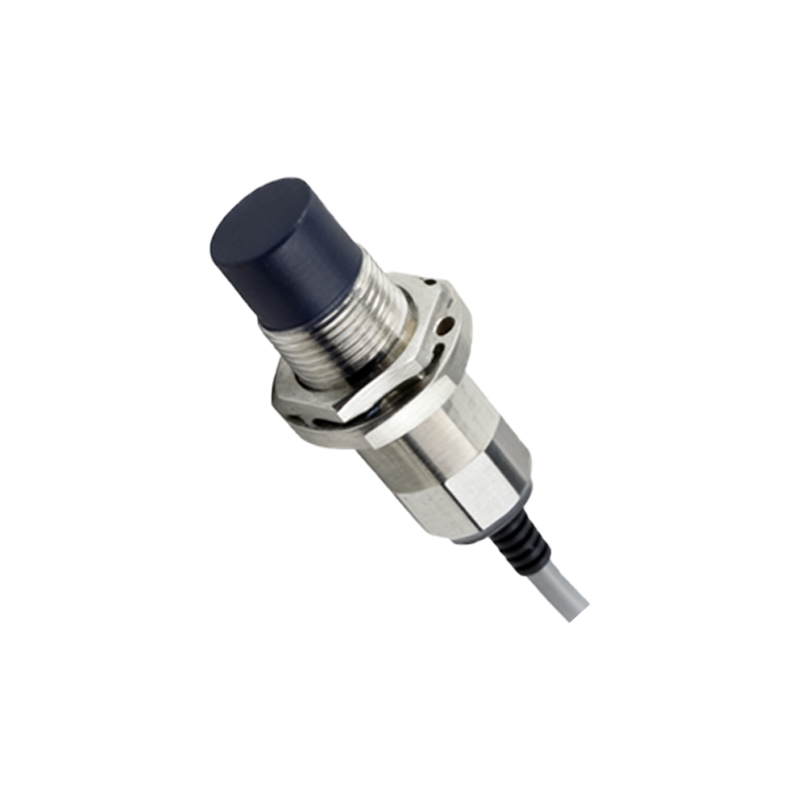
Performance features and certifications add further layers to the cost structure. Sensors with IO-Link digital communication capability, which enables parameter setting, diagnostics, and process data reporting, carry a notable premium over standard discrete models. Similarly, models designed for extreme environments—featuring high pressure resistance, extended temperature tolerances (e.g., -40°C to 85°C), or specific certifications like IP67, IP69K, or ATEX for hazardous areas—incur additional engineering and testing costs, reflecting in their higher price tags. A standard inductive sensor might cost $25, while an ATEX-certified version of a similar specification could easily exceed $150.
Brand reputation and supply chain positioning are undeniable factors in pricing. Established global leaders like Siemens, Pepperl+Fuchs, Omron, and Balluff are associated with high reliability, extensive technical support, and global availability, which is reflected in their premium pricing. Mid-tier and generic brands often offer functionally similar sensors at a lower cost, which can be attractive for less critical applications or tight budgets. However, this may involve trade-offs in long-term durability, consistency, and access to technical documentation.
Quantity is, as always, a powerful lever on unit price. Purchasing a single sensor from a distributor will be at the highest retail price. Volume discounts become significant for OEM purchases or large project orders. It is not uncommon for unit costs to drop by 30-50% when ordering in quantities of hundreds or thousands.
As of the current market, here is a generalized price bracket for standard industrial proximity sensors (unit pricing, excluding bulk discounts):
Basic Inductive Sensor: $15 - $60
Basic Capacitive Sensor: $25 - $80
Standard Ultrasonic Sensor: $50 - $200+
Factor 1 (IO-Link, Advanced Diagnostics): Add 30-100% to base price.
Factor 2 (Stainless Steel / Specialized Housing): Add 50-150% to base price.
Factor 3 (Safety or Hazardous Area Certification): Add 100-300% to base price.
In conclusion, asking "how much does a standard proximity sensor cost?" is akin to asking the price of a car. The answer depends entirely on the model, features, and brand. For engineers, the most effective strategy is to first meticulously define the application requirements: target material, required sensing distance, environmental conditions, output needed, and any necessary certifications. With this specification sheet in hand, comparing quotes from multiple suppliers and considering the total cost of ownership—which includes reliability, maintenance, and potential downtime—will lead to the optimal economic and technical choice. The cheapest sensor on the shelf is rarely the most cost-effective solution over the lifecycle of an industrial machine.