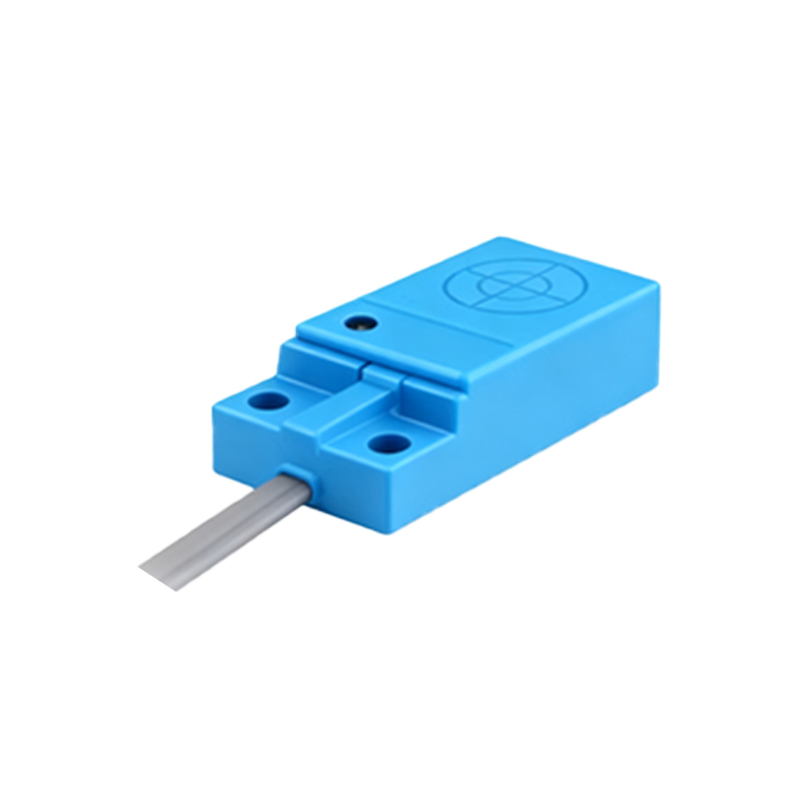
In modern industrial automation, the integration of proximity photoelectric sensors into servo systems represents a significant advancement in precision control and real-time responsiveness. A proximity photoelectric sensor servo system combines the non-contact detection capabilities of photoelectric sensors with the dynamic motion control of servo mechanisms, enabling high-accuracy positioning, object tracking, and adaptive operations in various manufacturing and robotics applications. This article delves into the working principles, key components, and practical implementations of such systems, highlighting their benefits and industry-specific use cases.
The core of a proximity photoelectric sensor servo system lies in its ability to detect objects without physical contact using light-based technology. Photoelectric sensors typically emit a light beam—often infrared, visible, or laser—and measure the reflected or interrupted signal to determine an object's presence, distance, or position. When integrated with a servo system, which consists of a servo motor, drive, and feedback control loop, the sensor provides real-time input that guides the servo's movements. For instance, in a conveyor belt setup, a photoelectric sensor can detect the position of items on the line, sending signals to a servo controller to adjust the belt speed or robotic arm alignment accordingly. This closed-loop feedback ensures minimal error and enhances system reliability.
Key components of these systems include the photoelectric sensor unit, servo motor and drive, programmable logic controller (PLC) or microcontroller, and communication interfaces. The sensor acts as the "eyes" of the system, offering high-resolution detection with fast response times, often in milliseconds. Servo motors, known for their precision and torque control, translate electrical signals into mechanical motion. The PLC processes sensor data and executes control algorithms, enabling seamless synchronization between detection and action. Advanced systems may incorporate Ethernet/IP, PROFINET, or other industrial protocols for networked operations, allowing integration into larger Industry 4.0 frameworks.
One prominent application is in automated assembly lines, where proximity photoelectric sensor servo systems are used for part sorting and placement. Sensors detect components on a moving platform, and servos adjust robotic grippers to pick and place items with sub-millimeter accuracy. This reduces human intervention and increases throughput. In packaging machinery, these systems ensure precise cutting and sealing by monitoring material positions in real-time, adapting to variations in product size or speed. Additionally, in robotics, such as autonomous guided vehicles (AGVs) or collaborative robots (cobots), photoelectric sensors help navigate environments and avoid obstacles, while servos enable smooth, controlled movements.
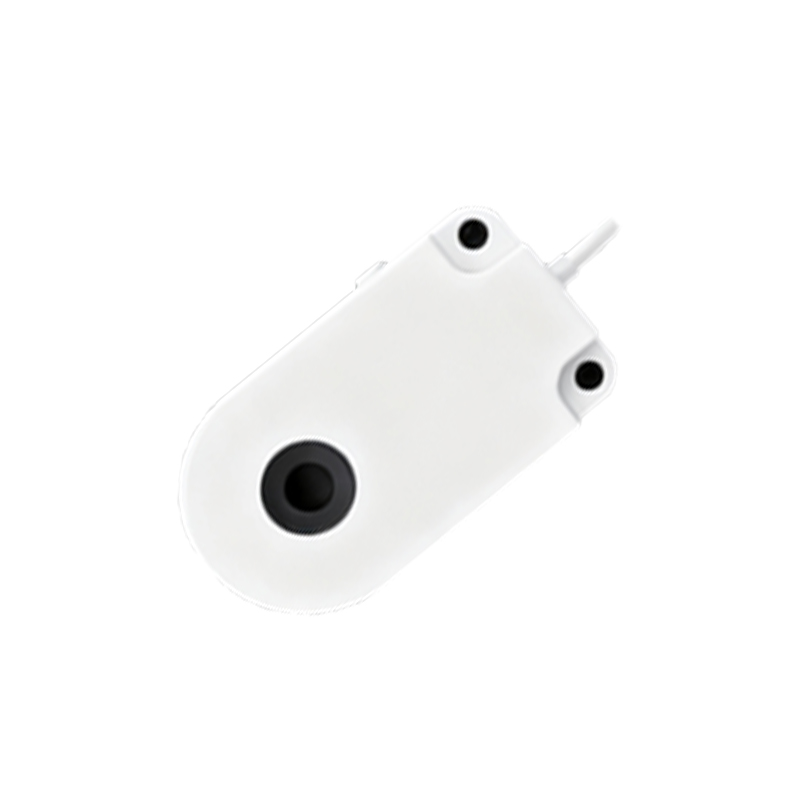
The advantages of using proximity photoelectric sensor servo systems are manifold. They offer enhanced accuracy and repeatability, crucial for quality control in industries like electronics or automotive manufacturing. Their non-contact nature minimizes wear and tear, reducing maintenance costs and downtime. Moreover, these systems support flexibility in production lines, as they can be reprogrammed for different tasks without hardware changes. Energy efficiency is another benefit, as servo motors consume power only when in motion, and sensors operate with low power draw.
However, challenges exist, such as environmental interference from ambient light or dust, which can affect sensor performance. To mitigate this, manufacturers often use modulated light signals or protective housings. Calibration and tuning of the control loop are also critical to prevent overshooting or lag in responses. Regular maintenance, including lens cleaning and software updates, ensures long-term reliability.
Looking ahead, trends like miniaturization, smart sensors with embedded AI, and wireless connectivity are shaping the future of these systems. Innovations in sensor technology, such as time-of-flight (ToF) or LiDAR integration, promise even higher precision for complex tasks. As industries embrace automation and IoT, proximity photoelectric sensor servo systems will continue to evolve, driving efficiency and innovation in smart factories.
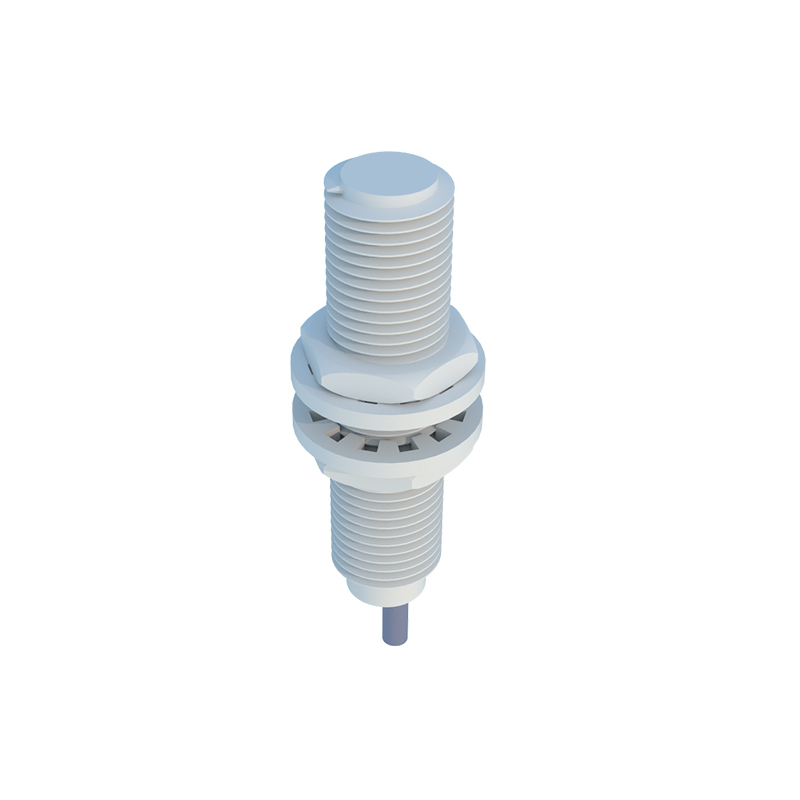
In summary, the synergy between proximity photoelectric sensors and servo systems forms a cornerstone of modern industrial automation. By leveraging real-time detection and precise motion control, these systems enable safer, faster, and more adaptable operations across diverse sectors. Engineers and technicians should consider factors like sensor selection, environmental conditions, and integration protocols when designing such setups to maximize performance and ROI.