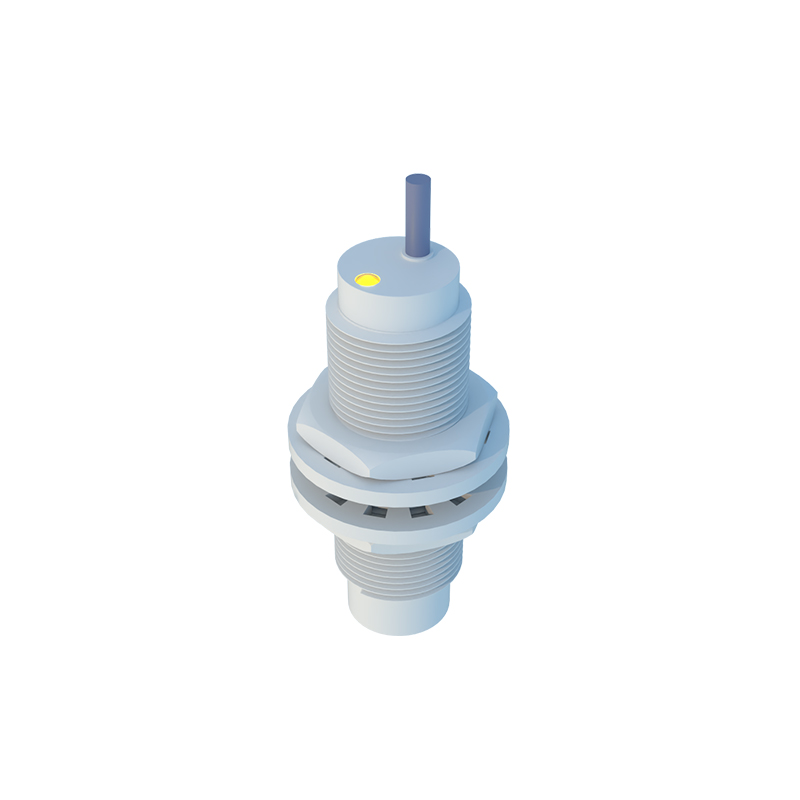
In the realm of industrial automation and control systems, long-range proximity sensors have emerged as critical components for enhancing operational efficiency, safety, and precision. These sensors are designed to detect the presence or absence of objects at extended distances without physical contact, making them indispensable in various applications such as material handling, automotive manufacturing, and logistics. Unlike standard proximity sensors that operate within limited ranges, long-range variants utilize advanced technologies to overcome distance limitations, providing reliable performance in challenging environments.
The fundamental principle behind long-range proximity sensors involves the emission of an electromagnetic field or beam—typically using infrared, ultrasonic, or inductive methods—and analyzing the reflected signal to determine an object's proximity. For instance, inductive sensors generate an oscillating magnetic field to detect metallic objects, while capacitive sensors can identify both metallic and non-metallic materials by measuring changes in capacitance. Ultrasonic sensors emit high-frequency sound waves and calculate distance based on the time delay of the echo, enabling detection ranges of up to several meters. Infrared sensors, on the other hand, rely on light beams and are effective in environments with minimal interference. The choice of technology depends on factors like target material, environmental conditions (e.g., dust, moisture), and required sensing range, which can extend from a few centimeters to over 10 meters in specialized models.
Key advantages of long-range proximity sensors include their non-contact operation, which reduces wear and tear, and their ability to function in harsh industrial settings where dirt, vibration, or temperature fluctuations might compromise other devices. They are commonly integrated into automated systems for tasks such as object counting, position verification, and collision avoidance. In automotive assembly lines, for example, these sensors ensure precise alignment of components, while in warehouse automation, they facilitate inventory management by tracking pallets and goods. Additionally, their robust construction often meets industry standards for durability, with options for waterproof or explosion-proof designs to suit specific safety requirements.
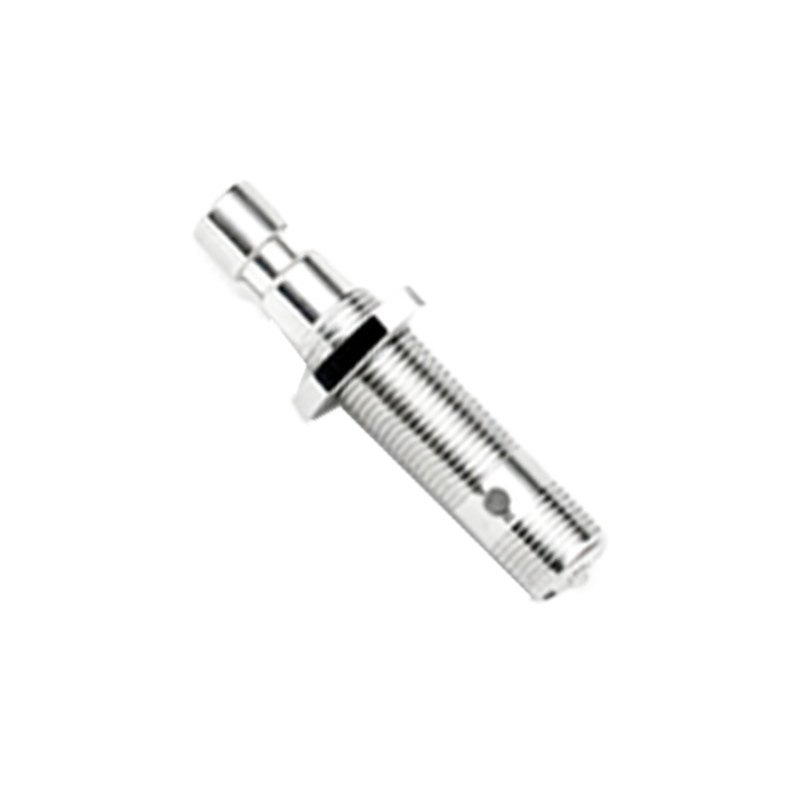
When selecting a long-range proximity sensor, engineers must consider parameters like sensing distance, response time, output type (e.g., analog or digital signals), and environmental ratings. Calibration and installation are also crucial to avoid false triggers from background interference. Modern advancements have led to smart sensors with integrated diagnostics and connectivity features, allowing for real-time monitoring and integration with IoT platforms. As industries increasingly adopt automation and Industry 4.0 initiatives, the demand for reliable, long-range sensing solutions continues to grow, driving innovation in sensor technology for improved accuracy and adaptability.
In summary, long-range proximity sensors play a vital role in modern industrial applications by enabling efficient, contactless detection over extended distances. Their versatility and resilience make them essential for optimizing processes, reducing downtime, and enhancing safety across diverse sectors. By understanding their working principles and selection criteria, professionals can leverage these tools to build more intelligent and responsive automated systems.