In the realm of industrial automation, proximity sensors are indispensable components for detecting the presence or absence of objects without physical contact. Among the critical factors influencing their selection and performance, size stands out as a paramount consideration. The dimensions of a proximity sensor not only determine its physical fit within a system but also directly affect its sensing range, environmental resilience, and application suitability.
Typically, proximity sensors are categorized by their housing shapes and sizes, such as cylindrical, rectangular, or ring-shaped variants. Cylindrical sensors, for instance, range from compact M5 (5mm diameter) models to larger M30 (30mm diameter) units. The general rule of thumb is that larger sensor bodies often accommodate larger coil designs, which can translate into longer sensing distances. For example, an M8 sensor might offer a sensing range of 1-2mm, while an M30 sensor could achieve ranges up to 15-20mm for metallic targets. However, this is not a strict linear relationship, as advancements in electronics and coil design have enabled miniaturized sensors with surprisingly robust performance.
The selection of sensor size is a balancing act dictated by the application's spatial constraints and technical requirements. In high-density control panels or compact machinery like semiconductor handlers or small robotic grippers, miniature sensors (e.g., M5, M8) are essential. Their small footprint allows for installation in tight spaces, enabling precise detection of tiny components. Conversely, in heavy industrial environments such as steel mills or automotive assembly lines, larger sensors (e.g., M18, M30) are often preferred. Their robust housings provide better mechanical strength, resistance to vibration, and sometimes enhanced shielding against electromagnetic interference. Larger size also allows for the integration of additional features, like built-in indicators, teach-in functions, or more sophisticated output circuitry.
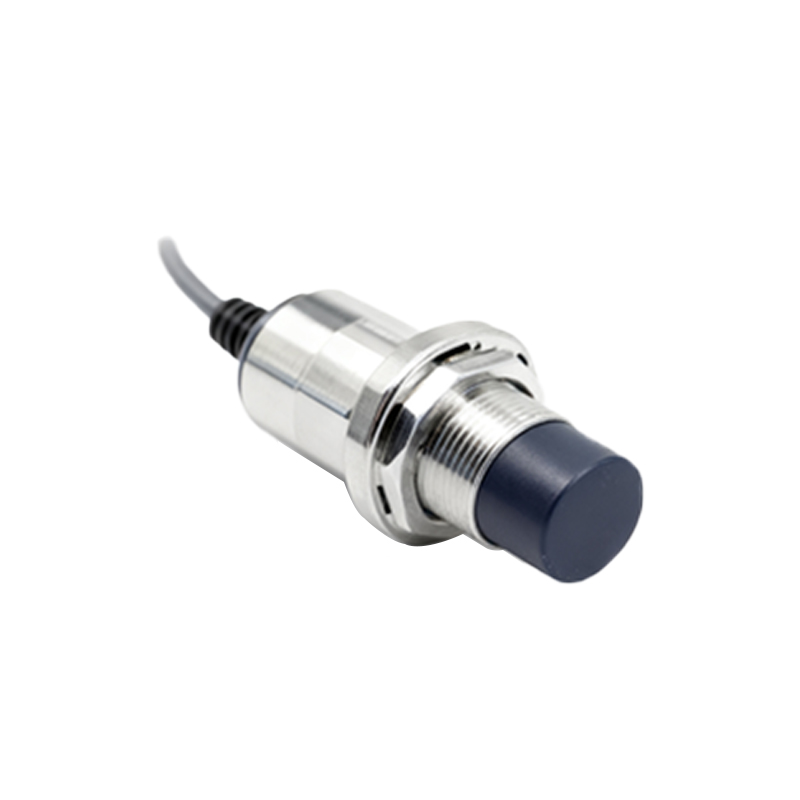
Beyond physical dimensions, the size of the sensor influences its electrical characteristics and mounting considerations. A larger sensor body typically dissipates heat more effectively, which can be crucial for models with high current outputs or those operating in elevated ambient temperatures. Mounting requirements also vary; smaller sensors may use simple threaded barrels for easy installation, while larger rectangular sensors might require specific brackets or slots. The choice between flush-mounted (non-flush) and non-flush-mounted designs is also size-dependent. Flush-mounted sensors can be installed embedded in metal, saving space but often at the cost of a reduced sensing range compared to their non-flush counterparts of the same size.
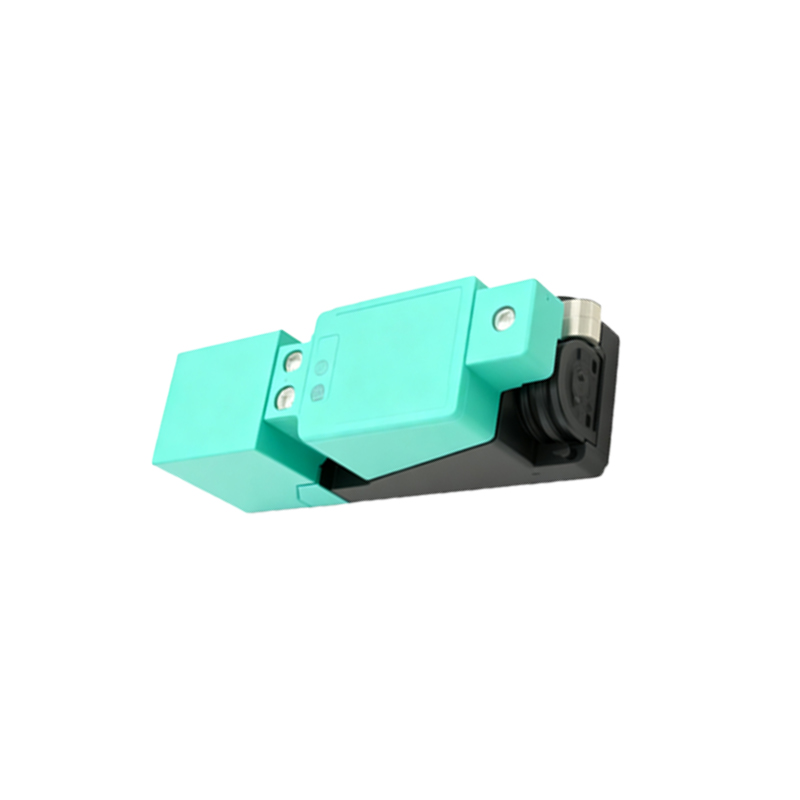
Material detection capability is another dimension where size plays a role. While all inductive proximity sensors detect metals, the sensor size and its associated oscillator strength can affect sensitivity to different metal types (e.g., steel, aluminum, copper). For capacitive sensors detecting non-metallic materials, a larger sensing face can sometimes improve stability and range for low-dielectric materials.
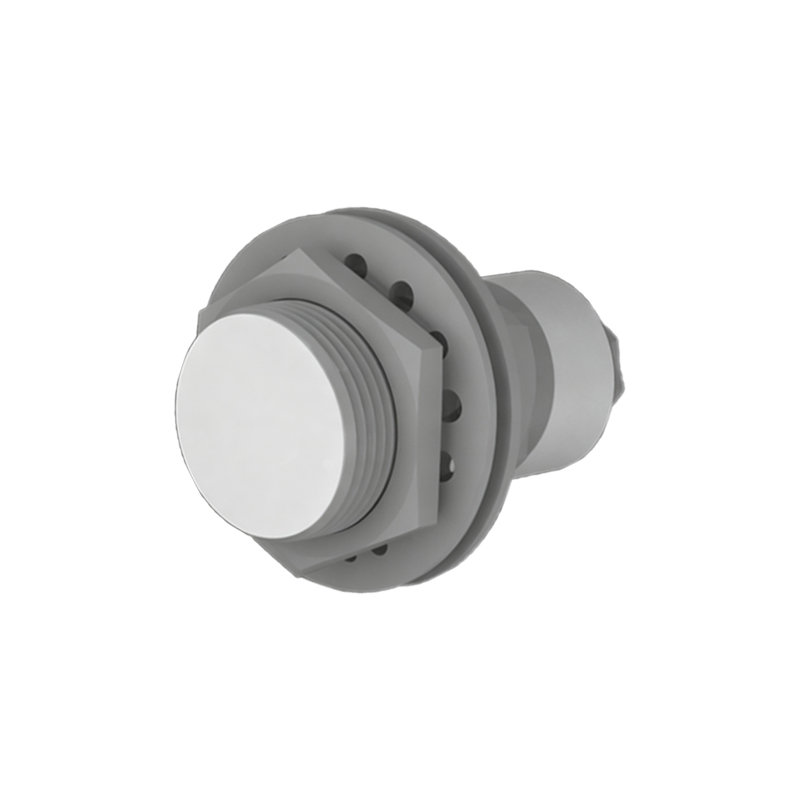
In practice, engineers must consult detailed datasheets, as nominal size alone is insufficient. Key parameters include the actual housing dimensions, sensing distance (Sn), recommended installation clearances to avoid mutual interference between adjacent sensors, and the target material specifications. A common mistake is selecting an oversized sensor for a limited space, leading to installation headaches and potential collision risks. Conversely, an undersized sensor might lack the necessary sensing range or durability for a harsh environment, resulting in unreliable operation and frequent failure.
Future trends point toward further miniaturization without sacrificing performance. The integration of ASICs (Application-Specific Integrated Circuits) and improved manufacturing techniques are enabling sensors that are smaller, smarter, and more energy-efficient. However, the demand for rugged, large-sized sensors in traditional industries remains steady, highlighting the need for a diverse size portfolio.
Ultimately, there is no one-size-fits-all solution. A meticulous evaluation of the available space, required sensing range, target characteristics, environmental conditions, and cost constraints is essential. By understanding the profound implications of proximity sensor size, engineers can optimize system design, enhance reliability, and ensure seamless integration within the broader automation framework.