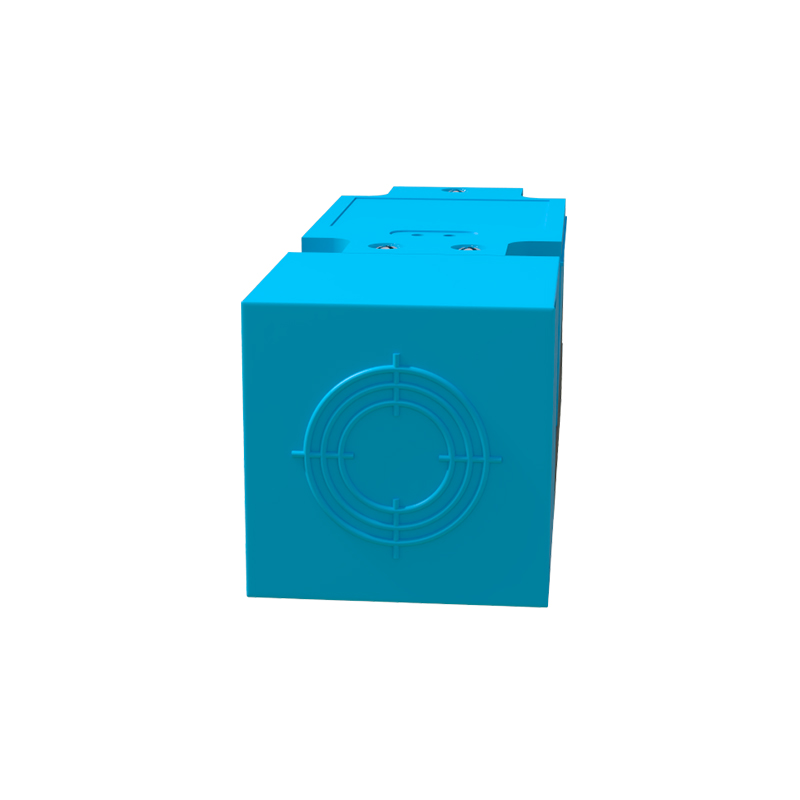
Capacitive proximity sensors are essential components in modern industrial automation, offering non-contact detection for a wide range of materials, including metals, plastics, liquids, and granular substances. Their pricing varies significantly based on factors such as sensing range, output type, housing material, and brand reputation. Typically, standard capacitive sensors with a sensing distance of 5mm to 20mm range from $20 to $100 per unit. High-performance models featuring extended ranges (up to 40mm), analog outputs, or specialized coatings for harsh environments can cost between $100 and $300.
The market for capacitive proximity sensors is influenced by technological advancements and industrial demand. Integrated circuits with enhanced noise immunity and temperature stability have become more affordable, driving down prices for entry-level sensors. However, premium features like IO-Link communication, self-diagnostic capabilities, and FDA-compliant materials for food and pharmaceutical applications add to the cost. Bulk purchasing from manufacturers or authorized distributors often reduces the per-unit price by 10% to 30%, making it economical for large-scale automation projects.
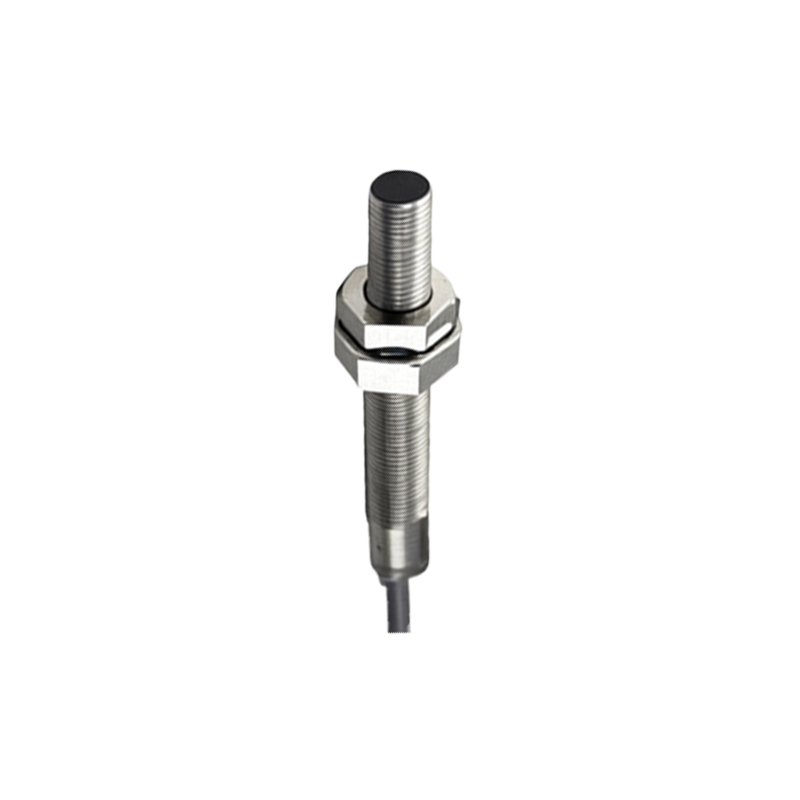
Regional factors also impact pricing. Sensors produced in Europe or North America generally command higher prices due to stringent quality controls and labor costs, whereas Asian-manufactured alternatives offer competitive pricing but may vary in consistency. Online marketplaces and industrial suppliers frequently list capacitive sensors with detailed specifications, allowing buyers to compare prices based on parameters like switching frequency, voltage rating, and housing diameter (e.g., M8, M12, M18, M30).
In summary, while basic capacitive proximity sensors are relatively inexpensive, investing in higher-end models ensures reliability in demanding applications. Buyers should prioritize specifications over price alone to avoid operational downtime. The trend toward smart factories and IoT integration is expected to stabilize prices for standard sensors while increasing demand for feature-rich variants.