In the rapidly evolving landscape of industrial automation, proximity sensors stand as critical components for enabling non-contact detection, ensuring safety, and enhancing operational efficiency. Selecting the right manufacturer is paramount for system integrators, OEMs, and end-users. This article provides a professional ranking and analysis of leading proximity sensor manufacturers, based on criteria such as technological innovation, product portfolio breadth, global support network, industry reputation, and reliability in demanding applications.
The undisputed leader in this space is Sick AG. Headquartered in Germany, Sick has established an unparalleled reputation for precision, durability, and innovation. Their portfolio encompasses inductive, capacitive, magnetic, and ultrasonic proximity sensors designed for the most challenging environments, from automotive assembly lines to food and beverage processing. Sick's sensors are renowned for their exceptional sensing ranges, robust housing (often with high IP ratings), and advanced diagnostic capabilities. Their focus on Industry 4.0, with IO-Link integration and smart sensor solutions, keeps them at the forefront. The company's extensive global application engineering support further solidifies its top position.
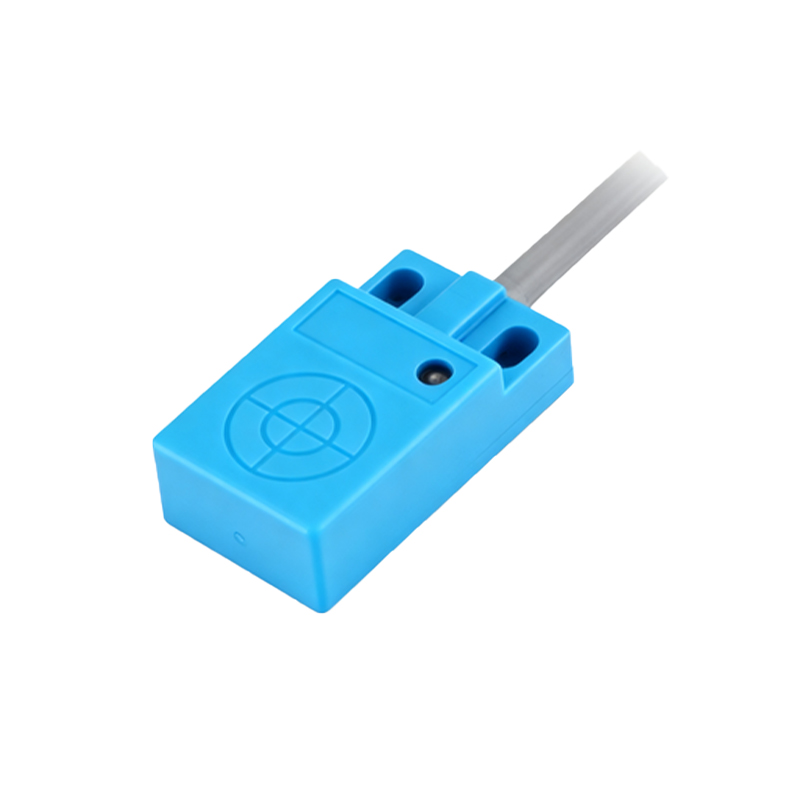
Following closely is Pepperl+Fuchs. Another German powerhouse, Pepperl+Fuchs is synonymous with intrinsic safety and explosion-proof technology, making them the go-to choice for hazardous areas in oil & gas, chemical, and pharmaceutical industries. Their sensor range is incredibly comprehensive, including standard inductive models and specialized variants for specific tasks like weld-field immunity or precise position detection. The company's strength lies in its deep understanding of application challenges and its ability to provide complete system solutions, not just individual components. Their global distribution and service network are exceptionally strong.
Omron Corporation from Japan secures a prominent rank through its relentless focus on miniaturization, high-speed performance, and cost-effectiveness. Omron's proximity sensors are a staple in high-volume manufacturing, particularly in electronics and semiconductor production. They excel in producing extremely compact sensors without compromising on sensing distance or durability. Omron also integrates advanced features like noise resistance and stable detection of small or fast-moving targets. Their E2E ultra-compact series and solid-state design philosophy have set industry benchmarks. Strong presence in Asia and the Americas supports their widespread adoption.
Balluff GmbH, a German sensor specialist, is highly regarded for its innovation in connectivity and smart sensor technology. Balluff was an early proponent of IO-Link, transforming standard sensors into intelligent data points. Their inductive, capacitive, and magnetic sensors are known for high quality and versatility, with many offering innovative form factors and mounting options. Balluff's "Sensorik4.0®" initiative emphasizes the sensor's role in digital value chains. They provide excellent customization options and have a formidable reputation in the automotive and machine tool sectors, supported by a competent technical service team.
Rockwell Automation (Allen-Bradley) holds a significant position, particularly in North America and within integrated control system architectures. Their proximity sensors, under the Allen-Bradley brand, are optimized for seamless integration with Rockwell's PLCs, drives, and software ecosystems like FactoryTalk. This offers users simplified commissioning, unified diagnostics, and reduced total cost of ownership. While their standalone sensor technology is robust and reliable, their primary advantage is system-level synergy. For customers heavily invested in the Rockwell automation platform, their sensors are often the default, high-performance choice.
IFM Electronic, another German contender, is celebrated for its user-friendly design, diagnostic simplicity, and strong value proposition. IFM sensors often feature clear visual status indicators (like LED rings) and plug-and-play functionality. They offer a very wide range of standard inductive and capacitive sensors suitable for general industrial applications. IFM's strength is in making advanced sensing technology accessible and easy to maintain. Their global logistics and e-commerce platform are also highly efficient, ensuring good availability.
Other notable manufacturers deserving mention include Turck, known for its rugged sensors and innovative multipurpose designs; Keyence, famous for its high-precision, feature-rich sensors often used in inspection and measurement; and Schneider Electric (Telemecanique Sensors), which provides reliable sensors as part of its broader energy and automation portfolio.
In conclusion, the ranking of proximity sensor manufacturers is not merely about product specs but about finding the right partner for specific application needs, environmental conditions, and digital strategy. Sick and Pepperl+Fuchs lead in high-end, demanding, and specialized applications. Omron and IFM excel in high-volume, cost-sensitive, and user-friendly deployments. Balluff is a leader in connectivity and customization, while Rockwell Automation dominates within its integrated control universe. A thorough evaluation of technical requirements, total lifecycle cost, and available support is essential for making an optimal supplier selection in this critical component category.