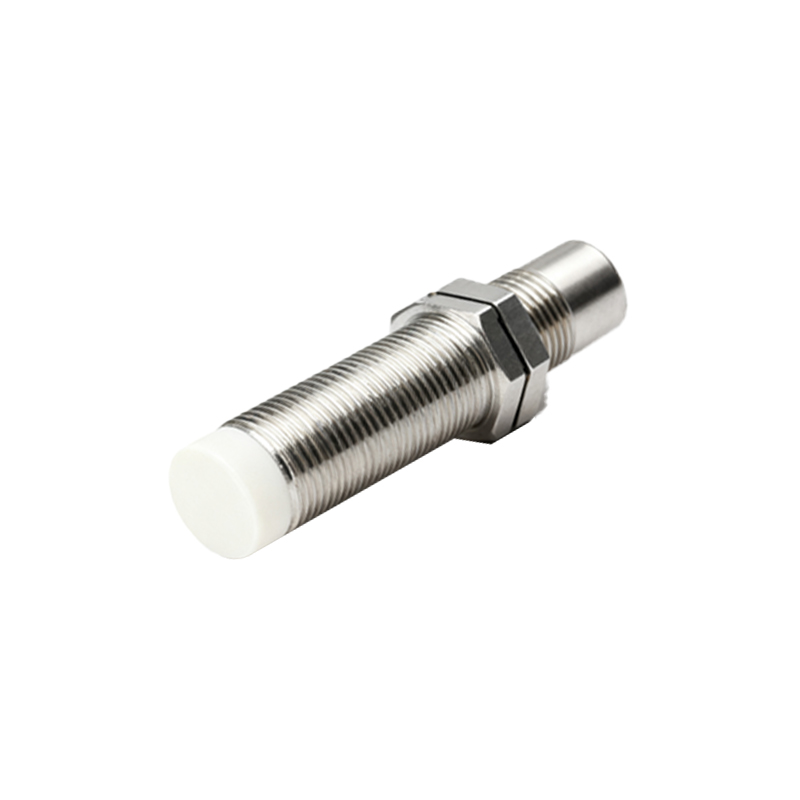
In the realm of industrial automation and control systems, proximity switch sensors play a pivotal role in enabling non-contact detection of objects, ensuring precision, reliability, and efficiency. Among the various types available, the 3-wire J8F proximity sensor stands out as a widely utilized component, particularly valued for its robust design and consistent performance in demanding environments. This article delves into the technical aspects, operational principles, and practical applications of the J8F 3-wire proximity switch sensor, providing insights for engineers and technicians in the electrical and automation fields.
The J8F series is a line of inductive proximity sensors, designed to detect metallic objects without physical contact. As a 3-wire device, it typically incorporates wires for power supply (positive and negative) and a signal output, aligning with standard DC sensor configurations. This design simplifies installation and integration into control circuits, reducing wiring complexity compared to 2-wire variants. The sensor operates on the principle of electromagnetic induction: an oscillator generates a high-frequency magnetic field from its sensing face. When a metallic target enters this field, eddy currents are induced, causing a change in the oscillation amplitude. This change is detected by a threshold circuit, which then triggers the output switch—either normally open (NO) or normally closed (NC)—to signal the presence of the object.
Key specifications of the J8F 3-wire proximity sensor often include a sensing range tailored for specific applications, commonly ranging from a few millimeters to several centimeters. It is typically rated for DC voltages, such as 10-30V DC, ensuring compatibility with industrial power systems. The output type is usually transistor-based (NPN or PNP), providing a solid-state switch for interfacing with programmable logic controllers (PLCs), relays, or other control devices. The housing is constructed from materials like nickel-plated brass or stainless steel, offering resistance to corrosion, moisture, and mechanical impacts, which is crucial for harsh industrial settings like manufacturing lines, packaging machinery, or automotive assembly plants.
One of the primary advantages of the J8F 3-wire sensor is its high switching frequency, allowing for rapid detection in high-speed operations. Additionally, it exhibits minimal leakage current, reducing energy waste and enhancing safety. The LED indicator, often integrated into the design, provides visual feedback for diagnostics, aiding in troubleshooting and maintenance. When deploying these sensors, engineers must consider factors such as target material (ferrous vs. non-ferrous metals), mounting conditions, and environmental influences like temperature extremes or electromagnetic interference. Proper shielding and alignment can optimize performance and longevity.
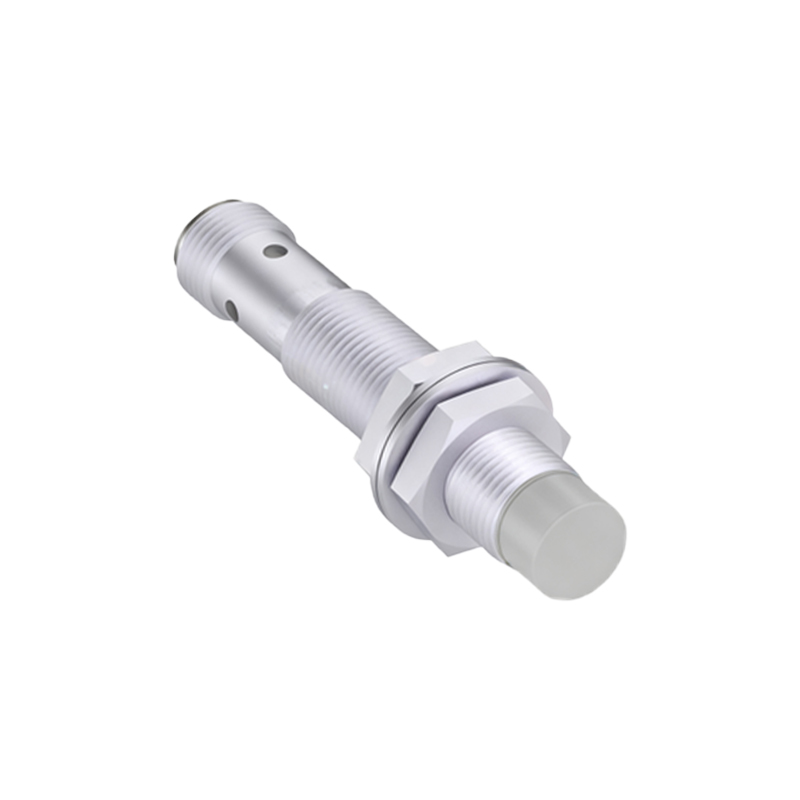
In practice, the J8F 3-wire proximity switch finds applications across diverse sectors. For instance, in conveyor systems, it can detect product positions for sorting or counting. In robotics, it ensures precise end-effector positioning. In safety systems, it might monitor door closures or guard positions to prevent accidents. Its reliability makes it a staple in industries where downtime is costly, such as food processing, pharmaceuticals, and heavy machinery.
Maintenance of the J8F sensor involves regular checks for contamination, wear, or damage to the sensing face, as buildup of debris can affect accuracy. Calibration is generally not required due to its stable design, but periodic testing with known targets is recommended to verify functionality. Compatibility with control systems should be confirmed by matching output types (e.g., NPN for sinking inputs, PNP for sourcing inputs) to avoid mismatches that could lead to system failures.
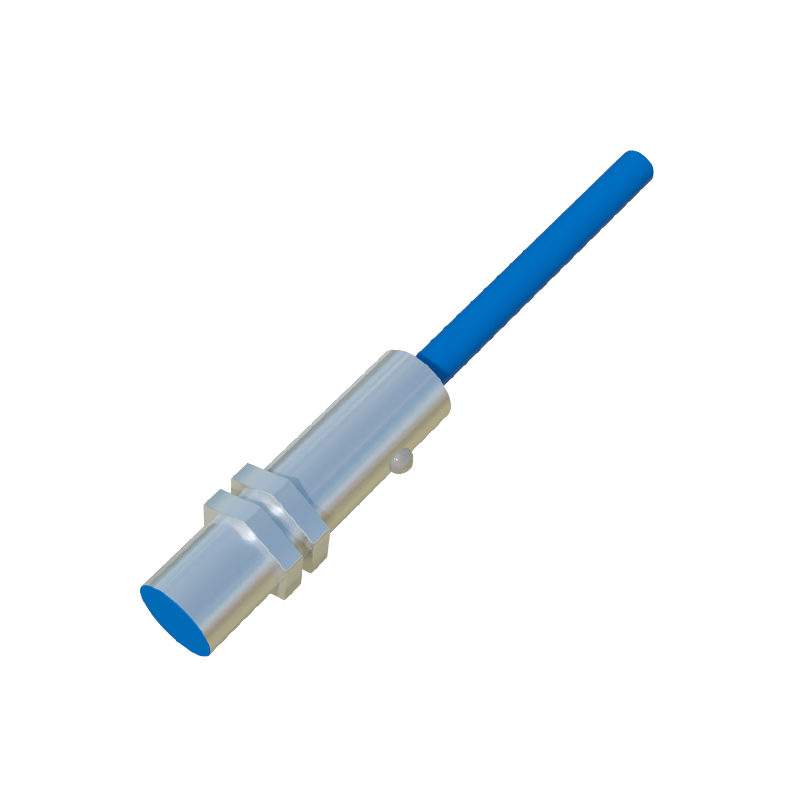
Overall, the J8F 3-wire proximity switch sensor exemplifies the integration of simplicity and sophistication in industrial sensing. By understanding its technical nuances and application best practices, professionals can leverage its capabilities to enhance automation processes, improve productivity, and ensure operational safety. As technology evolves, such sensors continue to adapt, but the core principles of the J8F series remain relevant for reliable object detection in modern electrical engineering contexts.