As an experienced electrical engineer specializing in industrial automation, I often encounter questions about the pricing of diffuse proximity sensors. These sensors are widely used in manufacturing, packaging, robotics, and material handling due to their ability to detect objects without physical contact. The cost of a diffuse proximity sensor varies significantly based on several key factors, which I will outline in detail to help you make an informed purchasing decision.
First, it's essential to understand what a diffuse proximity sensor is. Unlike through-beam or retro-reflective sensors, diffuse sensors emit a light beam (usually infrared, red, or laser) and detect the reflection from the target object itself. This makes them ideal for applications where only one side of the object is accessible. However, their performance and price are influenced by the sensor's design, technology, and additional features.
The primary factor affecting cost is the sensing technology. Diffuse sensors come in various types, including standard infrared, background suppression, and foreground suppression models. Standard infrared sensors are the most affordable, typically ranging from $20 to $80 USD. They work well for general-purpose detection but can be affected by object color, reflectivity, and environmental conditions. Background suppression (BGS) sensors, which use triangulation to ignore distant objects, are more advanced and priced between $50 and $150 USD. These are suitable for precise detection in complex environments, such as on conveyor belts. Foreground suppression sensors, designed to detect only nearby objects while ignoring the background, fall in a similar price range but offer specialized functionality for applications like transparent object detection.
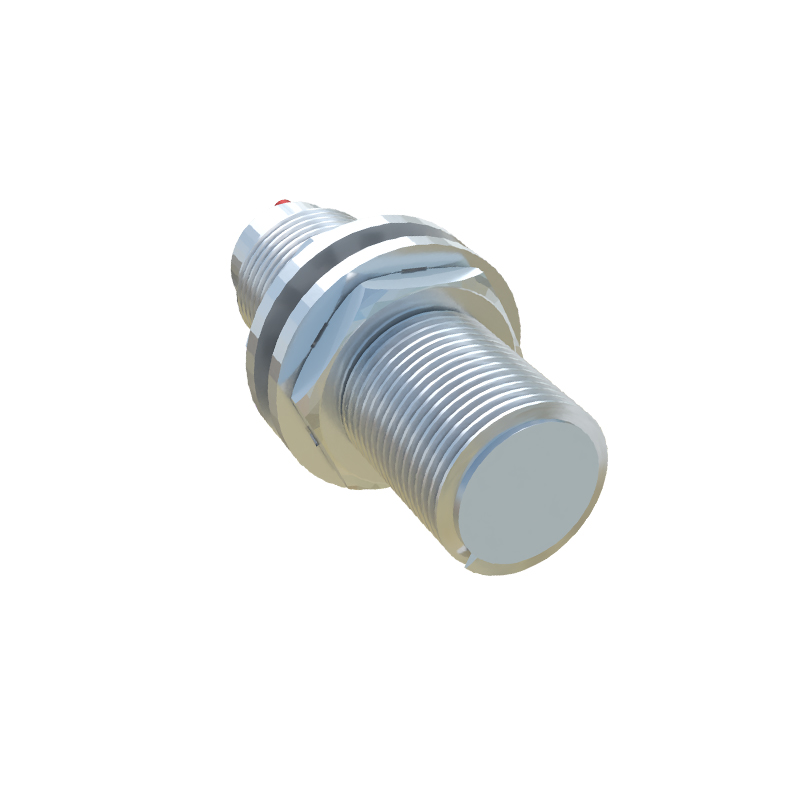
Another critical element is the sensing range. Short-range sensors (up to 100 mm) are generally less expensive, starting around $20 USD. Medium-range sensors (100 mm to 500 mm) cost between $30 and $100 USD, while long-range models (exceeding 500 mm) can reach $200 USD or more, especially if they incorporate laser technology for high accuracy. For instance, a laser-based diffuse sensor with a range of 1 meter might cost $150 to $300 USD, depending on the brand and features.
The housing material and protection rating also impact price. Plastic housings are cost-effective, with sensors priced from $20 to $60 USD, but they may not withstand harsh conditions. Stainless steel or metal-housed sensors, offering higher durability and resistance to chemicals, moisture, and temperature extremes, typically range from $60 to $200 USD. Sensors with an IP67 or IP69K rating for dust and water resistance are more expensive, as they are built for demanding industrial environments like food processing or outdoor use.
Additional features such as adjustable sensitivity, teach-in functionality, IO-Link communication, or built-in diagnostics add to the cost. A basic diffuse sensor without these extras might be under $30 USD, while a smart sensor with IO-Link connectivity and programmable settings can cost $80 to $200 USD. Brands also play a role; well-known manufacturers like Sick, Omron, Pepperl+Fuchs, and Banner Engineering tend to charge premium prices due to their reliability and support, whereas generic or lesser-known brands offer lower-cost alternatives, sometimes as cheap as $15 to $40 USD, but may compromise on quality or longevity.
In summary, the price of a diffuse proximity sensor can range from as low as $15 for a basic model to over $300 for a high-end, specialized unit. To determine the right sensor for your needs, consider the application requirements: sensing distance, environmental conditions, object properties, and desired features. Investing in a slightly more expensive sensor from a reputable brand can save costs in the long run by reducing maintenance and downtime. Always consult datasheets and, if possible, test samples in your specific setup to ensure compatibility. For bulk purchases, many suppliers offer discounts, so inquire about volume pricing to optimize your budget.