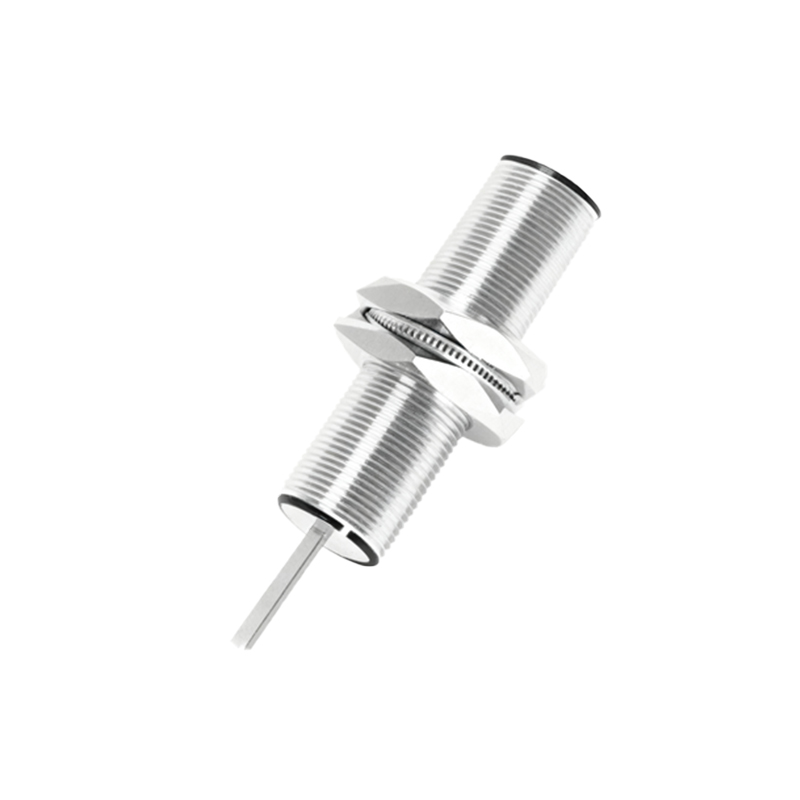
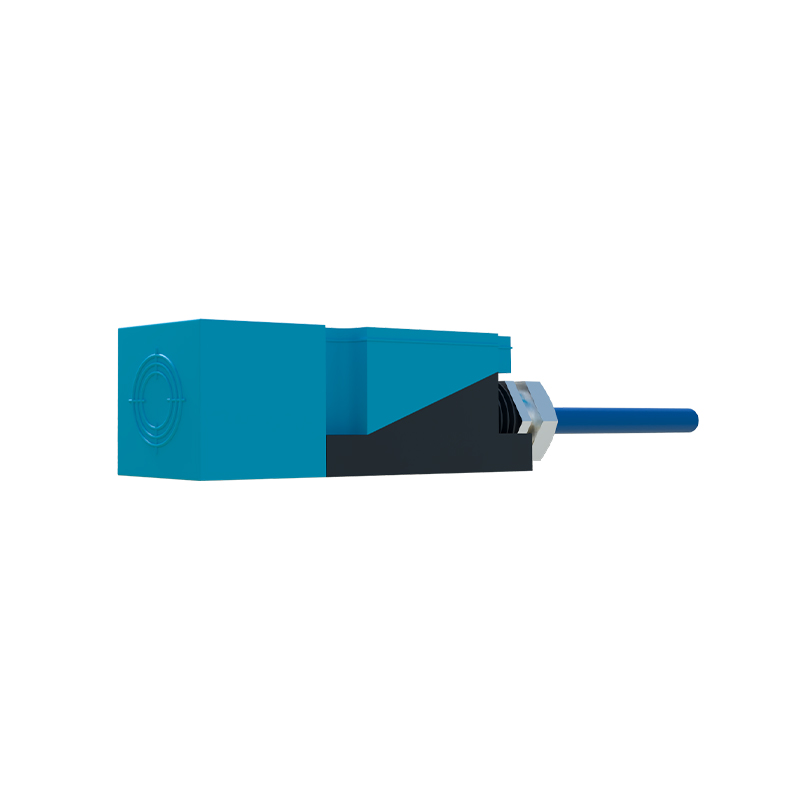
In the rapidly evolving landscape of industrial automation and smart electronics, micro proximity sensors have emerged as critical components, enabling precise non-contact detection in compact spaces. The market price of these sensors is influenced by a complex interplay of technological advancements, material costs, supply chain dynamics, and application-specific requirements. Typically, prices range from as low as $2 for basic inductive models in high-volume orders to over $50 for highly specialized ultrasonic or laser-based variants with enhanced accuracy and environmental resilience.
A primary determinant of cost is the sensing technology employed. Inductive micro proximity sensors, widely used for metal detection, are generally the most economical due to mature manufacturing processes and standardized components. Capacitive sensors, suitable for both metallic and non-metallic objects, command a moderate price premium. Meanwhile, optical and ultrasonic micro sensors, offering superior range and sensitivity, are positioned at the higher end of the price spectrum. Miniaturization efforts, which integrate advanced micro-electro-mechanical systems (MEMS) and custom ICs, further elevate costs but deliver significant value in space-constrained applications like wearable devices, medical instruments, and robotics.
Material selection also plays a pivotal role. Sensors designed with robust housings (e.g., stainless steel or specialized polymers) for harsh environments—resistant to moisture, chemicals, or extreme temperatures—incur higher material and processing expenses. Additionally, features such as embedded intelligence, digital interfaces (IO-Link, I2C), and adjustable sensing parameters contribute to price increments by enhancing functionality and ease of integration.
Market competition and economies of scale significantly impact pricing trends. Established manufacturers like Omron, Sick, and Pepperl+Fuchs often price their high-reliability industrial-grade sensors at a premium, reflecting extensive R&D and quality assurance. In contrast, emerging suppliers, particularly in Asia-Pacific regions, offer competitive alternatives at lower price points, though with potential trade-offs in longevity or consistency. Bulk procurement through distributors or OEM agreements can reduce unit costs by 15–30%, making volume a key consideration for cost-sensitive projects.
Regional factors, including import tariffs, logistics, and local demand, further diversify global price structures. For instance, North America and Europe exhibit higher average prices due to stringent regulatory compliance and labor costs, whereas markets in China and India benefit from localized production and aggressive pricing strategies.
Looking ahead, the micro proximity sensor market is poised for growth, driven by Industry 4.0, IoT proliferation, and automotive innovations. Prices are expected to gradually decline for standard models as manufacturing efficiencies improve, while cutting-edge sensors with AI capabilities or energy-harvesting features may sustain higher valuations. Engineers and procurement specialists must balance cost against performance metrics—such as detection range, response time, and durability—to optimize solutions for specific applications, from consumer electronics to automated assembly lines.