In the realm of industrial automation and machine design, proximity sensors are fundamental components, acting as the silent sentinels that detect the presence or absence of objects without physical contact. For engineers embarking on a project involving these devices, a comprehensive understanding of the required information is crucial for ensuring system reliability, efficiency, and safety. This article outlines the essential project information categories that must be defined and evaluated.
The primary and most critical step is defining the application requirements with precision. This involves specifying the target object's material (ferrous metal, non-ferrous metal, plastic, liquid), its size, and the required sensing distance. The sensing range, often listed as the nominal sensing distance (Sn), must be selected with a safety margin, typically 70-80% of Sn, to account for environmental factors like temperature fluctuations and supply voltage tolerances. The required output type is another key decision point: a discrete PNP or NPN transistor output, a two-wire AC/DC configuration, or an analog (4-20mA, 0-10V) output for distance-proportional signaling. The switching frequency, or response time, must be compatible with the maximum speed of the target object to avoid missed detections.
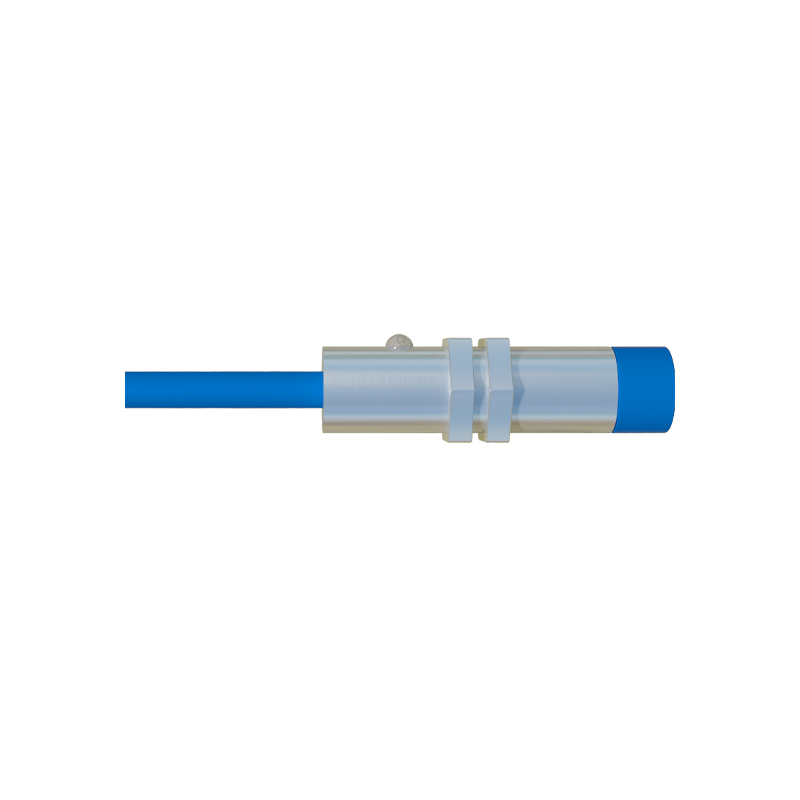
Environmental conditions pose significant constraints on sensor selection. The Ingress Protection (IP) rating, such as IP67 or IP69K, defines the sensor's resilience against dust and water ingress, which is vital for washdown areas or outdoor use. Operating temperature ranges must encompass both ambient and process-induced extremes. Exposure to chemicals, oils, or coolants may necessitate sensors with specific housing materials like stainless steel (e.g., V4A/AISI 316L) or specialized coatings. Furthermore, engineers must assess potential sources of electrical interference from nearby motors, variable frequency drives (VFDs), or welding equipment, which may require sensors with robust electromagnetic compatibility (EMC) and built-in surge protection.
Physical and electrical integration parameters are the bridge between the sensor and the broader control system. The sensor's housing shape—tubular (e.g., M8, M12, M18, M30), rectangular, or slot-style—must fit the mechanical design and mounting constraints. Connection methods, whether pre-wired cables, quick-disconnect (M12) connectors, or terminal boxes, impact maintenance and installation time. The supply voltage range (e.g., 10-30V DC, 20-250V AC) must match the available plant voltage. For DC sensors, the wiring scheme (sourcing vs. sinking) must be compatible with the programmable logic controller (PLC) input card to ensure proper circuit completion.
Beyond the basic on/off detection, many projects demand advanced functionalities. For instance, applications requiring precise positioning or edge detection might utilize analog sensors or sensors with teach-in capabilities for setting custom switching points. In safety-critical systems, devices certified to standards like IEC 60947-5-3 (for proximity sensors with defined behavior under fault conditions) or those integrated into safety circuits (e.g., with OSSD outputs) are mandatory. For challenging conditions with extreme target materials or backgrounds, specialized sensors like factor-1 devices (sensing all metals at the same range) or capacitive sensors for non-metals become necessary.
Finally, a holistic project view must consider lifecycle and support factors. This includes evaluating the sensor's mean time between failures (MTBF), the availability of replacement parts, and the ease of adjustment or diagnostics via LED indicators. Compliance with regional and industry standards (UL, CE, ATEX for hazardous areas) is often a non-negotiable requirement. Initial cost is a factor, but the total cost of ownership, influenced by durability, maintenance needs, and potential downtime, should be the ultimate financial metric.
In conclusion, a successful proximity sensor project is built on a foundation of detailed and accurate information. By systematically addressing application specs, environmental hurdles, integration details, functional needs, and lifecycle costs, engineers can specify the optimal sensor. This rigorous approach minimizes commissioning issues, maximizes uptime, and ensures the sensing system performs as a reliable and integral part of the automated process.