In the realm of industrial automation and precision motion control, servo systems are fundamental. Their accuracy, repeatability, and dynamic response are paramount. A critical, yet sometimes overlooked, component safeguarding these systems is the servo limit position proximity sensor. This article delves into the technical principles, types, selection criteria, and integration best practices for these essential devices.
At its core, a limit position proximity sensor is a non-contact device that detects the presence or absence of a target—typically the servo motor's driven load or a specific feature on a moving carriage—as it approaches a predefined physical boundary. Its primary function is safety and protection: to prevent mechanical overtravel that could lead to catastrophic damage, such as jamming, belt breakage, or gear stripping. By sending a signal to the servo drive or controller when the target enters its sensing range, it initiates a controlled stop or triggers a safe sequence, effectively defining the operational envelope of the machine.
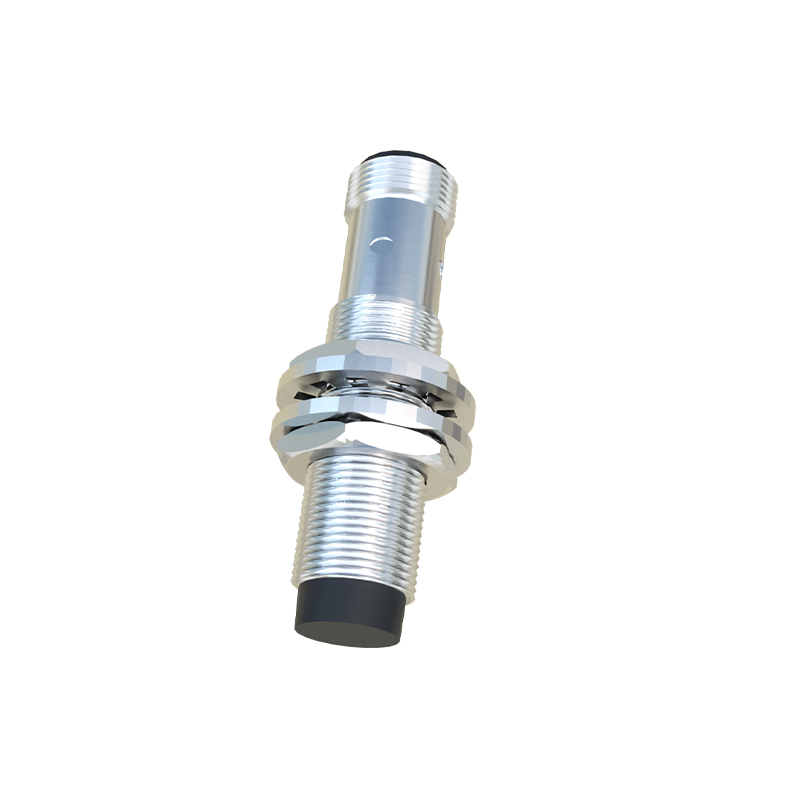
Several sensing technologies are employed in proximity sensors for servo limit applications, each with distinct advantages. Inductive proximity sensors are among the most common. They generate an electromagnetic field and detect the eddy currents induced in metallic targets. They are robust, resistant to environmental contaminants like dust and oil, and offer high switching frequencies, making them suitable for high-speed applications. However, they are limited to detecting ferrous and non-ferrous metals. Capacitive proximity sensors, on the other hand, can detect both metallic and non-metallic materials (plastics, liquids, wood) by sensing changes in capacitance. This versatility is useful in applications with composite materials, but they can be more susceptible to environmental factors like humidity. Magnetic proximity sensors, often using reed switches or Hall-effect chips, detect permanent magnets. They are highly reliable for very precise positional sensing and are often used in conjunction with a magnet mounted on the moving part, offering excellent repeatability.
Selecting the appropriate proximity sensor for a servo limit application requires careful consideration of several parameters. Sensing range is crucial; it must be sufficient to allow the control system adequate time to decelerate but not so large as to be triggered inadvertently. Repeatability, or the sensor's ability to consistently detect the target at the same point, is vital for maintaining positional accuracy. Environmental conditions dictate the required ingress protection (IP) rating—sealing against dust and water jets is common in industrial settings. The sensor's output type must be compatible with the servo drive's input module, typically a digital PNP/NPN signal or a push-pull configuration. Response time is another critical factor; it must be fast enough to not become the bottleneck in the system's safety response loop. Finally, mechanical factors like housing style (cylindrical or rectangular), mounting method, and connection type (pre-wired or connector) must align with the machine design.
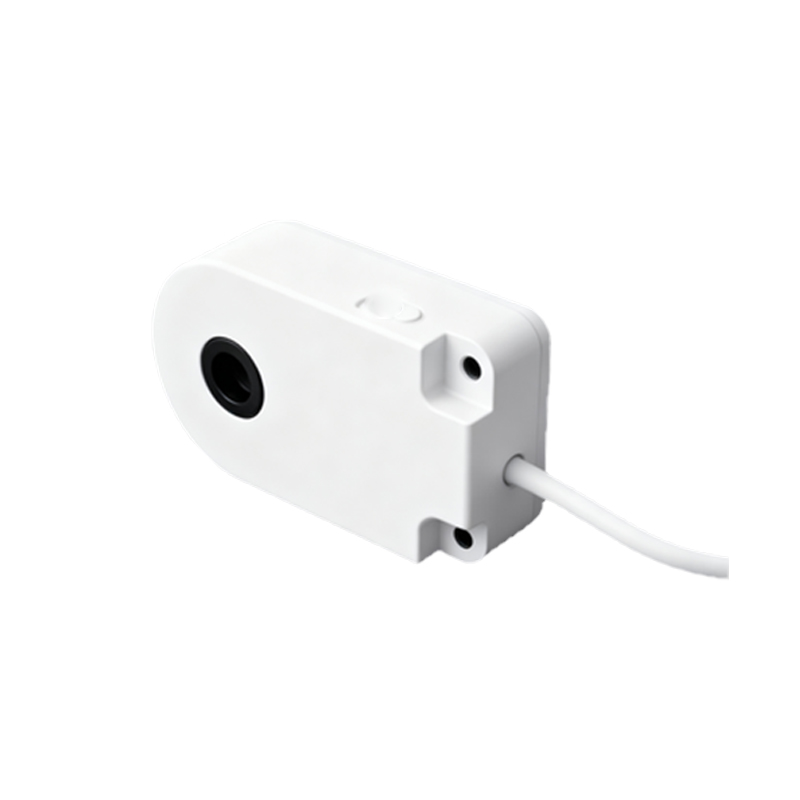
Integration and installation are as important as the sensor selection itself. Sensors should be mounted securely to prevent vibration-induced misalignment. The target's approach direction, size, and material must be considered relative to the sensor's sensing field characteristics to ensure reliable operation. It is a standard and highly recommended practice to implement a dual-channel safety configuration for critical limit functions. This involves using two independently monitored sensors or a single sensor with a validated safety-rated output channeled to a safety relay or a safety-rated PLC. This architecture allows for cross-checking and meets requirements for categories up to PL d/e per ISO 13849, ensuring functional safety even in the event of a single sensor failure.
Regular maintenance and diagnostics are essential for long-term reliability. While modern solid-state proximity sensors are largely maintenance-free, periodic checks for physical damage, accumulation of metallic swarf (for inductive types), and signal integrity are advised. Many advanced sensors now feature IO-Link communication, enabling detailed diagnostic data (operating hours, temperature, signal strength) to be fed directly into the control system for predictive maintenance strategies.
In conclusion, servo limit position proximity sensors are not mere switches but integral safety components in a motion control system. A thorough understanding of their technology, coupled with informed selection and robust integration practices, ensures not only the protection of valuable capital equipment but also contributes to overall system uptime, productivity, and operator safety. As servo systems push toward higher speeds and greater precision, the role of these sensors in defining safe operational boundaries becomes ever more critical.