Proximity sensors, specifically proximity switches, are the silent sentinels of modern industrial automation. Unlike their mechanical limit switch predecessors, these non-contact devices detect the presence or absence of an object without physical touch, using electromagnetic fields, light, or sound. Their reliability, speed, and durability make them indispensable. But where exactly are they deployed? The answer is: virtually everywhere precision, safety, and efficiency are paramount.
In material handling and packaging, proximity sensors are ubiquitous. They are mounted along conveyor lines to detect the passage of items, count products, and verify positioning before a robotic arm picks a box. In palletizing systems, they ensure a pallet is in the correct place before wrapping or stacking begins. On automated guided vehicles (AGVs), inductive proximity sensors embedded in the vehicle's underside detect magnetic markers or tapes on the floor for precise navigation, while capacitive sensors might be used for collision avoidance.
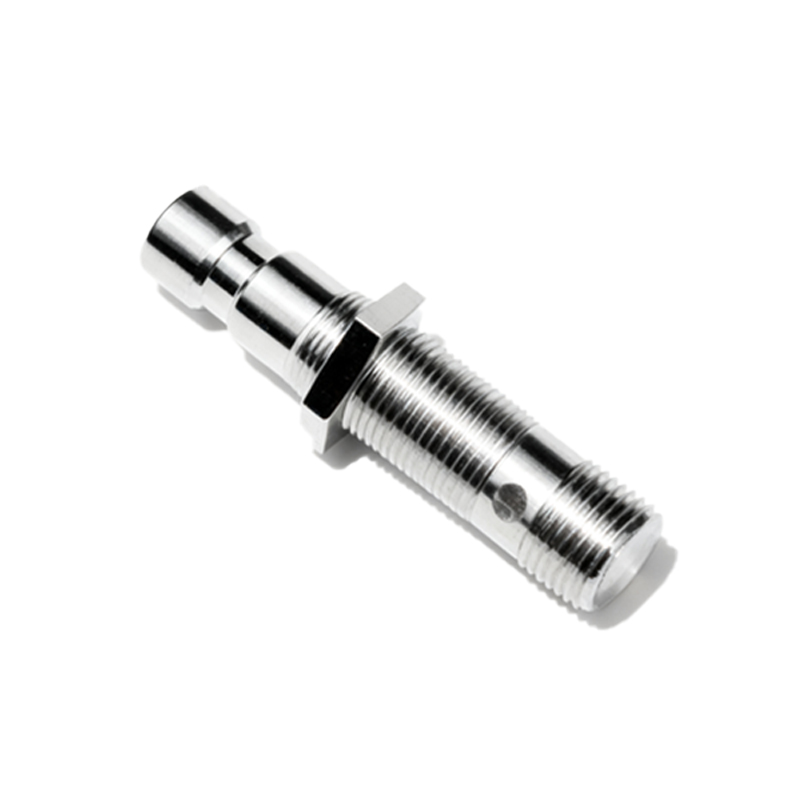
The automotive manufacturing sector is a heavy user. Here, inductive proximity sensors, immune to oil, coolant, and metal chips, are found inside machining centers. They monitor tool presence in CNC spindles, confirm the open/closed status of clamping fixtures, and detect the position of robotic weld guns. On assembly lines, they verify that components like pistons or bearings are correctly seated before the next assembly step. Tubular-style sensors are often threaded directly into machine frames for compact, protected installation.
Within robotics, proximity switches are critical for end-of-arm tooling (EOAT). They provide the final confirmation before a gripper closes on a part, preventing damage from misalignment. In collaborative robot (cobot) workcells, safety-rated versions create non-contact protective fields, slowing or stopping the robot if a human worker gets too close, complementing physical safety barriers.
Process industries, such as food and beverage or pharmaceuticals, utilize specific types. In filling machines, capacitive proximity sensors detect the level of liquid or powder in non-metallic containers through glass or plastic walls. In bottling plants, they verify cap placement. Washdown-duty sensors with high IP ratings (e.g., IP69K) are installed directly on processing equipment, surviving frequent high-pressure, high-temperature cleaning cycles.
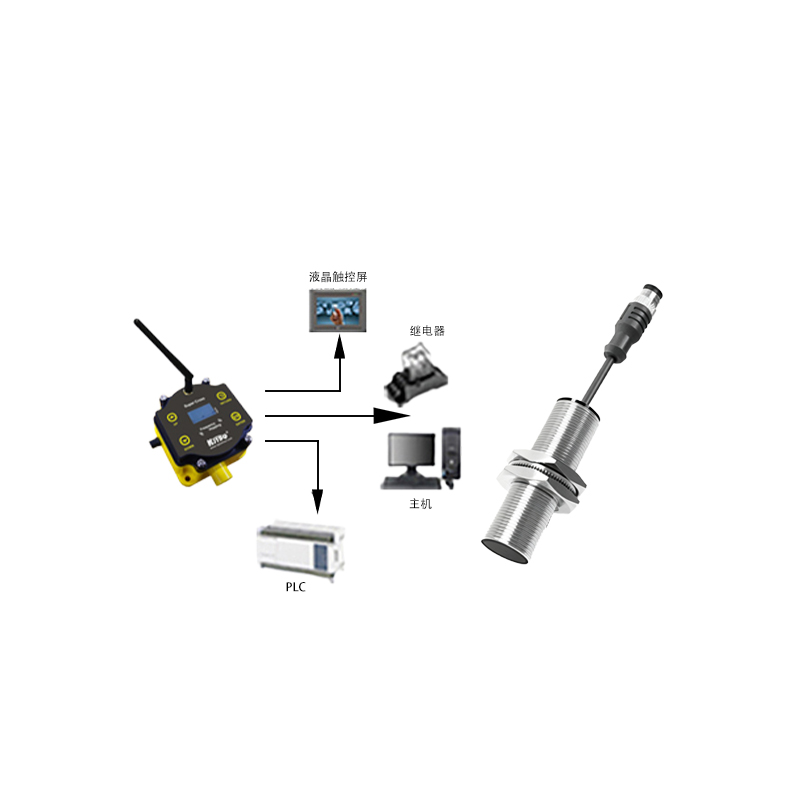
Even in heavy machinery and mobile equipment, proximity sensors play a vital role. On hydraulic excavators, they monitor the position of the boom and arm for precise control feedback. In metal stamping presses, they are a key part of the safety system, ensuring the guard is fully closed before a tonnage cycle can initiate. They monitor rotational speed by detecting gear teeth on shafts, providing critical data for predictive maintenance.
The location of the sensor itself is as crucial as its application. Engineers must consider the sensing range, the target material (ferrous metal, non-ferrous metal, plastic, liquid), environmental conditions (temperature, humidity, contaminants), and required electrical output (PNP/NPN, NO/NC). Sensors are typically mounted via threaded barrels, brackets, or flush-mount designs. A common practice is to recess or side-mount a sensor to protect it from physical damage from passing objects or accidental impacts.
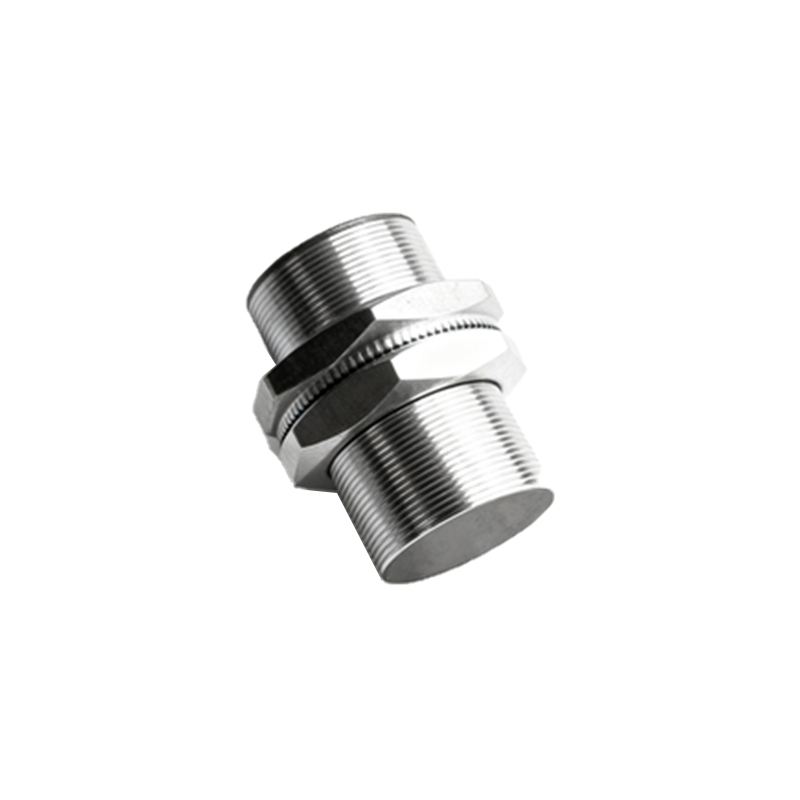
In control panels, while not the sensing point, the proximity sensor's interface is critical. Two-wire or three-wire sensors connect to Programmable Logic Controller (PLC) input modules. The choice of sourcing (PNP) or sinking (NPN) wiring is determined by the control system's architecture. Proper shielding and routing of sensor cables are essential to prevent electromagnetic interference from motors or variable frequency drives, which can cause erratic switching.
In summary, proximity sensors are embedded in the very fabric of industrial operations. From the heart of a high-speed bottling line to the arm of a welding robot, from the dirty environment of a foundry to the sterile cleanroom, these devices provide the essential binary signals—object present or object not present—that drive automated sequences. Their placement is a fundamental aspect of machine design, directly impacting throughput, quality, and operational safety. The next time you see a machine operating with rhythmic precision, know that a network of proximity switches is likely orchestrating its movements, unseen but absolutely essential.