In the realm of industrial automation, the integration of proximity sensors with stop switches represents a critical advancement in machine safety and operational efficiency. Proximity sensors, non-contact devices that detect the presence or absence of objects within their sensing range, are fundamental components in modern manufacturing and processing systems. When combined with stop switches—mechanisms designed to halt machinery in emergency or predefined conditions—they form a robust safety and control solution that minimizes downtime, prevents accidents, and optimizes workflow.
Proximity sensors operate on various principles, including inductive, capacitive, ultrasonic, and photoelectric technologies. Inductive sensors, for instance, are ideal for detecting metallic objects without physical contact, making them suitable for harsh environments where dust, oil, or moisture is present. Capacitive sensors can detect both metallic and non-metallic materials, such as plastics or liquids, expanding their application scope. By continuously monitoring equipment or product positions, these sensors provide real-time data to control systems, enabling precise automation.
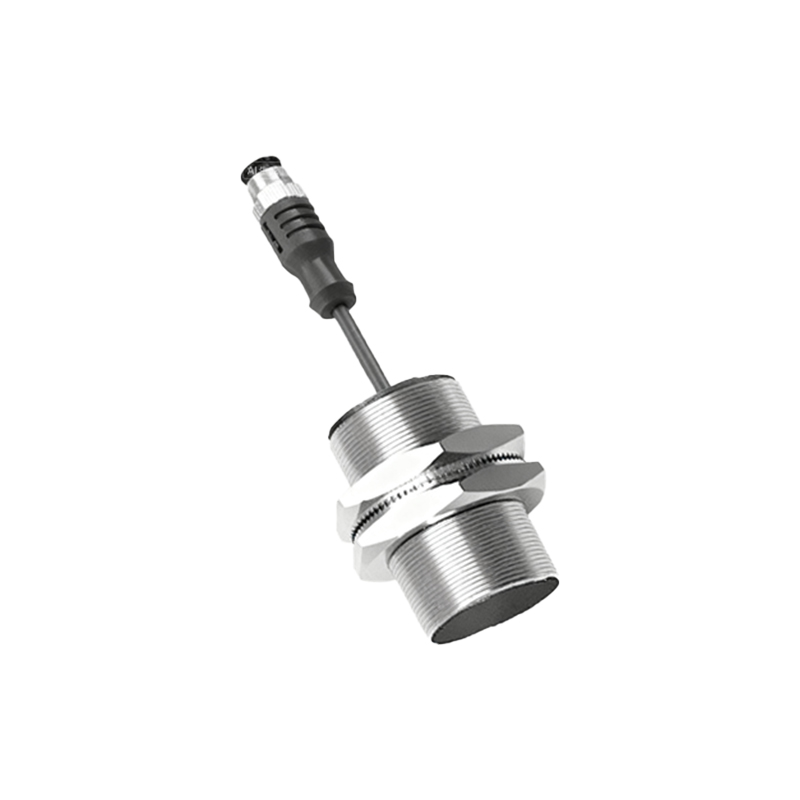
The addition of a stop switch to this setup introduces a fail-safe layer. Stop switches, often implemented as emergency stop (e-stop) buttons or safety interlocks, are manually or automatically activated to cease machine operation immediately. When linked to proximity sensors, the system can trigger a stop based on specific sensor readings—for example, if an object is detected outside a safe zone or if a component fails to align correctly. This proactive approach reduces the risk of equipment damage, product defects, and workplace injuries.
In practice, a common application is in conveyor systems. Proximity sensors monitor the movement of items along the belt, ensuring proper spacing and positioning. If a sensor detects a jam or misalignment, it sends a signal to the control unit, which may activate a stop switch to halt the conveyor before further issues arise. Similarly, in robotic arms, sensors track the arm's proximity to obstacles or personnel; if a safety threshold is breached, the stop switch engages, preventing collisions. This synergy not only enhances safety but also supports predictive maintenance by identifying irregularities early.
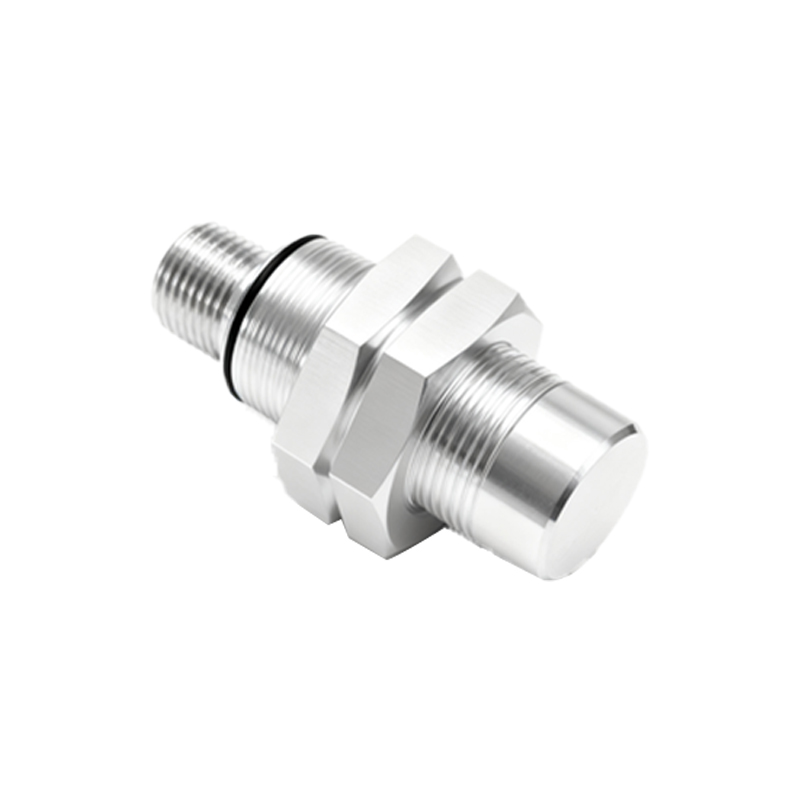
Installation and configuration require careful consideration. Engineers must select sensors with appropriate sensing ranges, response times, and environmental ratings to match the application. Stop switches should comply with international safety standards, such as IEC 60947-5-5 or ISO 13850, ensuring reliable performance under duress. Wiring and integration with programmable logic controllers (PLCs) or industrial PCs are crucial for seamless communication. Regular testing and calibration are recommended to maintain system integrity, as sensor drift or switch wear can compromise functionality.
The benefits of combining proximity sensors with stop switches extend beyond safety. By automating stoppages, companies reduce manual intervention, leading to higher productivity and lower labor costs. Energy savings are achieved by preventing unnecessary machine runtimes, and data from sensors can be analyzed to optimize processes further. In industries like automotive, pharmaceuticals, and food processing, where precision and hygiene are paramount, this integration ensures compliance with stringent regulations.
Looking ahead, advancements in IoT and smart manufacturing are elevating these systems. Wireless proximity sensors and cloud-connected stop switches enable remote monitoring and control, allowing for real-time adjustments and predictive analytics. Machine learning algorithms can analyze sensor data to predict failures before they occur, triggering preventive stops. As industries embrace Industry 4.0, the role of proximity sensors with stop switches will evolve, becoming more intelligent and interconnected.
In conclusion, the fusion of proximity sensors and stop switches is a cornerstone of modern industrial automation. It exemplifies how technology can harmonize safety and efficiency, protecting both human workers and machinery. By investing in these integrated solutions, businesses can foster a safer workplace, enhance operational reliability, and drive innovation in an increasingly automated world.