In the realm of industrial automation, proximity sensors play a pivotal role in non-contact detection of objects, enabling precise control and monitoring in manufacturing processes. However, when it comes to detecting aluminum parts, specific challenges arise due to the unique properties of aluminum, such as its non-ferromagnetic nature and high electrical conductivity. This article delves into the essential requirements for effectively using proximity sensors with aluminum components, ensuring reliable performance in diverse applications.
Aluminum is a non-ferrous metal, meaning it does not contain iron and is not magnetic. Standard inductive proximity sensors, which are commonly used for detecting ferrous metals like steel, rely on generating an electromagnetic field. When a ferrous object enters this field, it causes eddy currents that alter the sensor's oscillation, triggering detection. For aluminum, however, the lack of ferromagnetic properties reduces the sensor's sensitivity, necessitating specialized approaches. To address this, sensors with enhanced sensitivity or those designed specifically for non-ferrous metals are required. These sensors often operate at higher frequencies or incorporate advanced circuitry to detect the slight changes in the electromagnetic field caused by aluminum's conductivity.
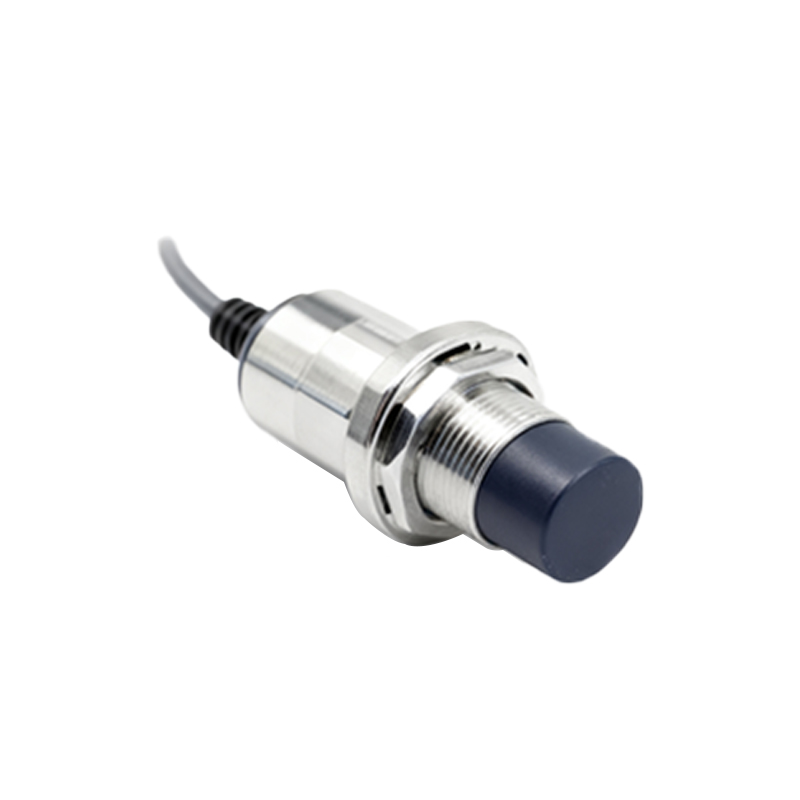
One critical requirement is selecting the appropriate sensor type. Capacitive proximity sensors can be an alternative, as they detect objects based on changes in capacitance, making them suitable for non-metallic and metallic materials, including aluminum. However, capacitive sensors may be influenced by environmental factors like humidity or dust, so their application must be carefully evaluated. Alternatively, eddy current sensors are highly effective for aluminum detection due to their ability to sense conductive materials without direct contact. These sensors generate high-frequency electromagnetic fields that induce eddy currents in aluminum, with the resulting changes in impedance allowing for accurate detection. When choosing a sensor, factors such as detection distance, response time, and environmental conditions must be considered to ensure compatibility with aluminum parts.
Another key aspect is the sensor's installation and calibration. Aluminum parts often have varying surface finishes, such as anodized or painted coatings, which can affect detection reliability. For instance, anodized aluminum has an insulating layer that may reduce the sensor's effectiveness if not accounted for. It is essential to adjust the sensor's sensitivity settings or use sensors with teach-in functions to adapt to different surface conditions. Additionally, the size and shape of the aluminum part influence the detection range; larger or thicker parts may require sensors with extended sensing distances. Proper mounting and alignment are crucial to avoid false triggers or missed detections, especially in high-speed production lines where precision is paramount.
Environmental factors also play a significant role in detecting aluminum with proximity sensors. Industrial settings often involve temperature fluctuations, vibration, and exposure to contaminants like oil or coolant. Sensors must be rated for such conditions, with features like IP67 or higher ingress protection to withstand dust and moisture. For aluminum detection in harsh environments, ruggedized sensors with stainless steel housings or specialized coatings are recommended to ensure durability and long-term performance. Moreover, electromagnetic interference (EMI) from nearby equipment can disrupt sensor operation, so shielding and proper grounding techniques should be implemented to maintain signal integrity.
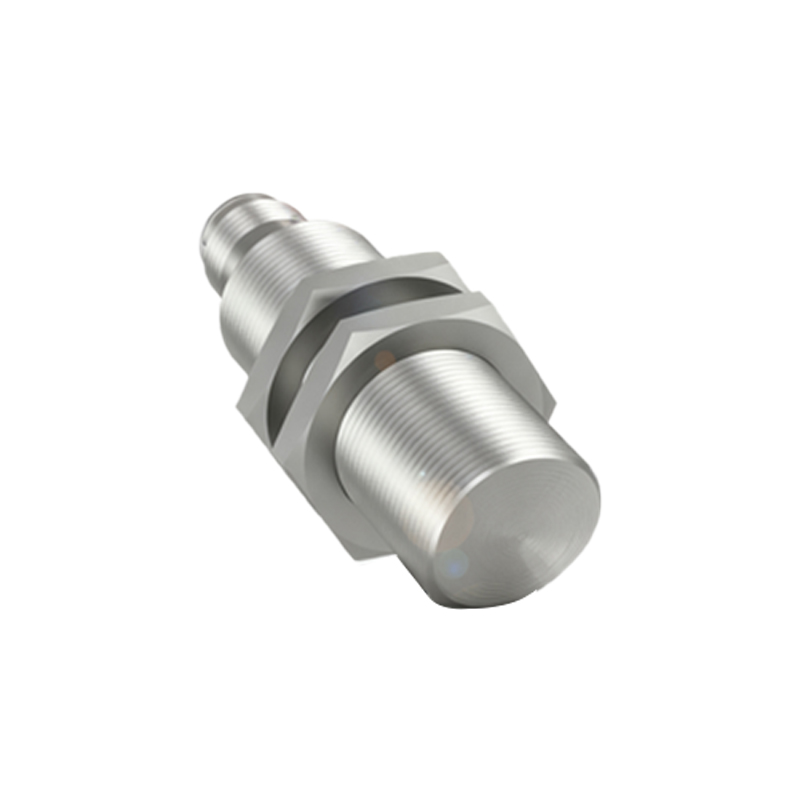
In applications involving aluminum, such as automotive assembly, aerospace manufacturing, or packaging machinery, the integration of proximity sensors requires thorough testing and validation. It is advisable to conduct on-site trials with actual aluminum parts to verify detection consistency under real-world conditions. Data logging and monitoring tools can help analyze sensor performance, identifying any issues related to alignment, sensitivity, or environmental interference. Regular maintenance, including cleaning sensor faces and checking connections, further enhances reliability.
To summarize, detecting aluminum parts with proximity sensors demands careful consideration of sensor selection, installation, and environmental adaptability. By opting for sensors designed for non-ferrous metals, such as eddy current or high-sensitivity inductive types, and adhering to best practices in calibration and mounting, engineers can achieve robust and accurate detection. As industries continue to adopt lightweight materials like aluminum for efficiency and sustainability, mastering these requirements becomes essential for optimizing automation systems and ensuring seamless operations.