In the realm of industrial automation and fluid power systems, the precise detection of pneumatic or hydraulic cylinder piston position is paramount. Among the various sensing technologies employed, the three-wire cylinder proximity switch sensor stands out for its reliability, ease of installation, and integration capabilities. This article delves into the operational principles, wiring configurations, selection criteria, and best practices for deploying these critical components.
A cylinder proximity switch sensor is a non-contact device designed to detect the presence or absence of a cylinder's piston, typically via a sensing element mounted on the cylinder body. The "three-wire" designation refers to its electrical connection scheme, which is the most common configuration for DC-powered sensors in industrial settings. These three wires are universally color-coded: brown for the positive supply voltage (V+), blue for the common negative or ground (0V), and black for the output signal. This standardization simplifies installation and troubleshooting across different manufacturers and global markets.
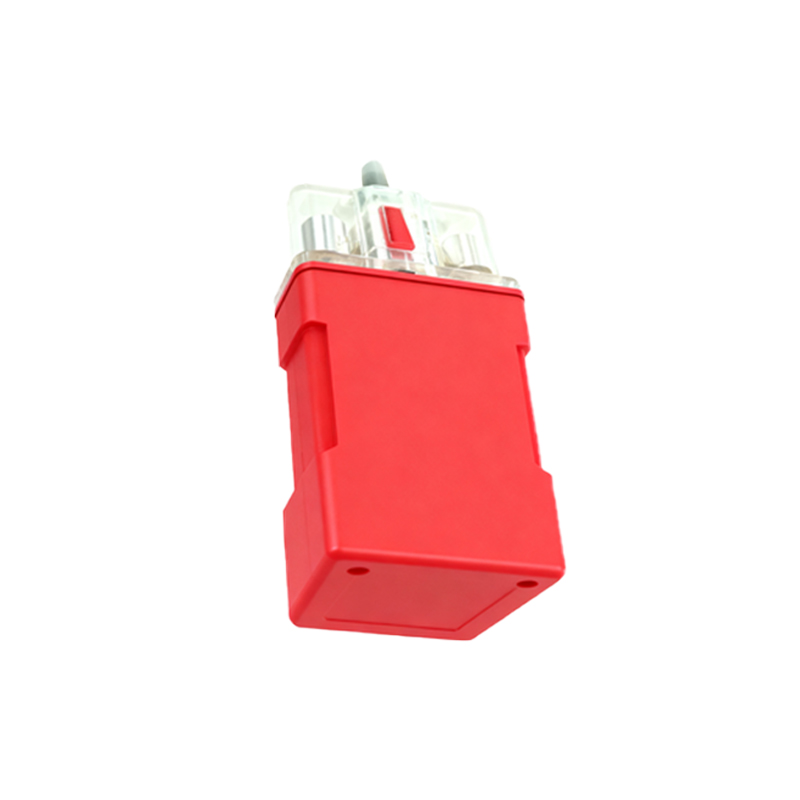
The core technology behind these sensors is often based on inductive, magnetic, or, less commonly, capacitive principles. For metallic cylinder pistons, inductive sensors are predominantly used. They generate an electromagnetic field; when a metallic target (the piston) enters this field, it induces eddy currents, causing a change in the sensor's oscillation amplitude. This change is detected by the internal circuitry, which then switches the output state. For cylinders with non-magnetic pistons or specific requirements, magnetic sensors, which detect the magnetic field of a permanent magnet embedded in the piston, are the preferred choice. They offer precise detection regardless of piston material.
The output from the black wire can be either NPN (sinking) or PNP (sourcing), a critical distinction for compatibility with Programmable Logic Controllers (PLCs) and other control systems. In an NPN configuration, the output switches the load to ground (0V), common in Asian and some European designs. In a PNP configuration, the output switches the positive voltage to the load, prevalent in North America and much of Europe. Selecting the correct type is essential to ensure proper interface with the controller's input module. Furthermore, the output can be normally open (NO) or normally closed (NC), defining the signal state when no target is present.
Selecting the appropriate three-wire proximity sensor for a cylinder involves several technical considerations. First, the sensing technology must match the piston material and design. Second, the operating voltage range (commonly 10-30V DC) must align with the plant's control voltage. Third, the sensor's housing material, typically nickel-plated brass or stainless steel, must withstand the environmental conditions, including exposure to coolants, oils, vibrations, and temperature extremes. IP (Ingress Protection) ratings, such as IP67 or IP69K, indicate the level of protection against dust and water, crucial for harsh washdown environments in food and beverage or pharmaceutical applications. Finally, the mechanical form factor—including threaded barrel styles (e.g., M8, M12, M18) or rectangular block designs—must physically fit the cylinder's pre-drilled mounting slots or brackets.
Installation and wiring are straightforward but require attention to detail. Always disconnect power before installation. Mount the sensor securely on the cylinder, adjusting its position so the sensing face is correctly aligned with the piston's target area (often a raised band or an embedded magnet). The sensing distance, specified by the manufacturer, must not be exceeded. For wiring, connect the brown wire to the positive DC supply, the blue wire to the DC common/ground, and the black output wire to the PLC input or load. It is considered best practice to include an in-line fuse for circuit protection. For sensors with LED indicators, this light provides immediate visual feedback on power and output status, aiding in setup and diagnostics.
Common challenges include false triggering due to metal chips accumulation, inadequate sensing distance adjustment, electrical noise interference, and physical damage from mechanical impact. Regular maintenance, such as cleaning the sensor face and checking for loose connections, can prevent many failures. When troubleshooting, a multimeter is invaluable for verifying supply voltage and output switching.
In conclusion, the three-wire cylinder proximity switch sensor is a robust and intelligent component that forms the sensory backbone of modern automated machinery. Its standardized design, coupled with advanced sensing technology, ensures accurate positional feedback for cylinder sequencing, end-of-stroke verification, and safety interlocking. A thorough understanding of its specifications, correct selection for the application, and proper installation are fundamental to achieving optimal system performance, minimizing downtime, and enhancing overall production efficiency in demanding industrial environments.