In the rapidly evolving landscape of industrial automation and smart manufacturing, the demand for high-precision proximity sensors has surged. These critical components serve as the "eyes" of machinery, enabling non-contact detection of objects with exceptional accuracy and reliability. For engineers and procurement specialists, selecting the right supplier is not merely a purchasing decision; it is a strategic choice that impacts system performance, production uptime, and long-term operational costs. This article delves into the key attributes of top-tier high-precision proximity sensor suppliers and outlines essential selection criteria.
The hallmark of a leading supplier lies in their mastery of core sensing technologies. Inductive, capacitive, and magnetic sensing principles each have distinct applications. Premier manufacturers invest heavily in R&D to push the boundaries of these technologies, achieving micron-level repeatability, superior noise immunity, and extended sensing ranges. For instance, suppliers specializing in inductive sensors often develop proprietary coil designs and advanced ASICs (Application-Specific Integrated Circuits) to enhance sensitivity and stability in the presence of metallic contaminants or extreme temperatures. The ability to offer a diverse portfolio, including miniature sensors for tight spaces and heavy-duty models for harsh environments, is a strong indicator of technical depth.
Beyond the sensor itself, supply chain robustness and manufacturing consistency are non-negotiable. Elite suppliers operate under stringent quality management systems, such as ISO 9001 and IATF 16949 for automotive applications. Their production facilities utilize automated calibration and testing procedures to ensure every unit meets published specifications. Traceability of components and final products is paramount, especially for industries like aerospace, medical devices, or automotive where failure is not an option. A supplier's global logistics network and local technical support presence also significantly influence their reliability as a partner. The best suppliers provide detailed technical documentation, comprehensive CAD models for easy integration, and clear data on mean time between failures (MTBF).
Customization capability separates exceptional suppliers from standard catalog vendors. While off-the-shelf sensors cover many needs, complex applications often require tailored solutions. This may involve unique housing materials (e.g., PEEK for chemical resistance), specific connector types, modified sensing fields, or special output configurations. A supplier's engineering team should be proactive and collaborative, willing to engage in application testing and prototype development. Their expertise in tailoring solutions for challenges like detecting small or fast-moving objects, operating in vacuum conditions, or achieving ultra-high switching frequencies is invaluable.
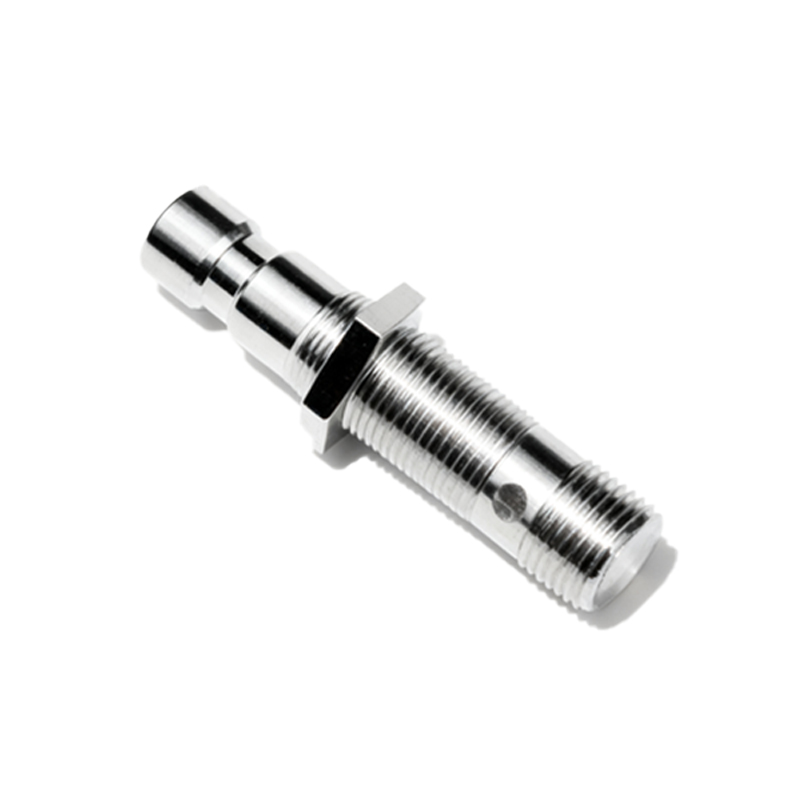
When evaluating potential suppliers, engineers should adopt a multi-faceted approach. First, scrutinize the technical specifications with a critical eye. Key parameters include repeatability (often stated as a percentage of the sensing distance), hysteresis, temperature coefficient, and response time. Real-world performance can differ from ideal lab conditions, so requesting sample units for in-application testing is crucial. Second, assess the supplier's industry-specific experience. A supplier with a proven track record in semiconductor manufacturing, for example, will understand the critical need for cleanliness and precision in that sector better than a generalist. Third, evaluate the total cost of ownership. This includes not only the unit price but also factors like installation ease, compatibility with existing infrastructure, maintenance requirements, and the supplier's warranty and repair policies.
The market features several established global leaders renowned for their innovation and quality. Companies like Pepperl+Fuchs, Sick AG, Omron, Balluff, and ifm electronic have set industry benchmarks. However, a new generation of agile, technology-focused suppliers is also emerging, often specializing in niche applications like ultra-miniature sensors or IoT-enabled devices with integrated diagnostics. The choice between a global giant and a specialized innovator depends on the specific application's priorities: volume, cutting-edge performance, or cost-effectiveness.
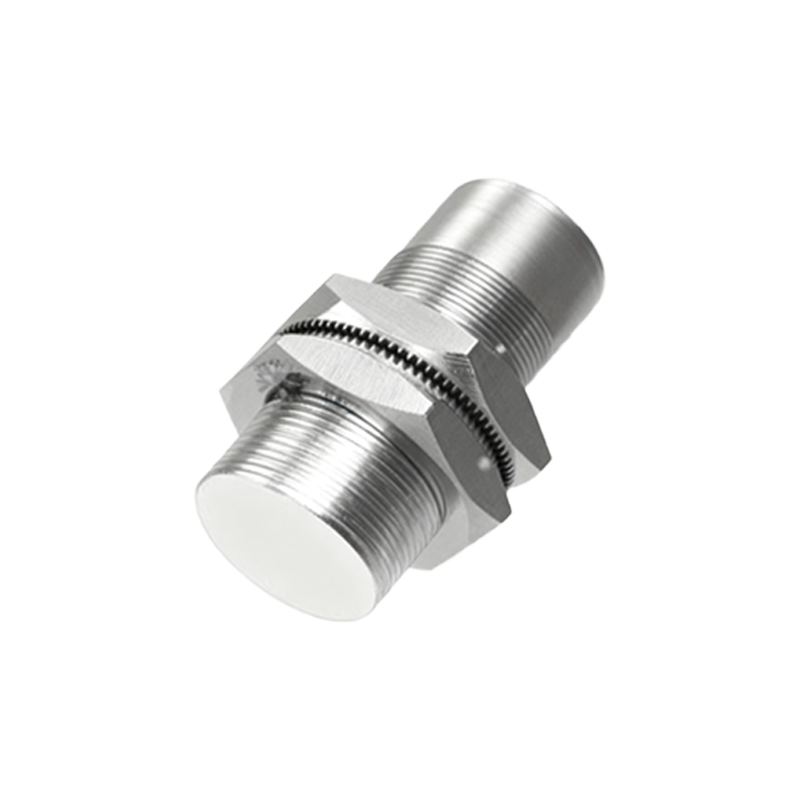
In conclusion, sourcing high-precision proximity sensors requires a partnership mindset. The ideal supplier combines technological excellence with consistent manufacturing quality, offers responsive customization support, and demonstrates deep application understanding. By rigorously evaluating suppliers against these criteria, engineers can secure components that deliver not just detection, but dependable, precise, and intelligent operation—forming the reliable sensory foundation upon which advanced automation systems are built.