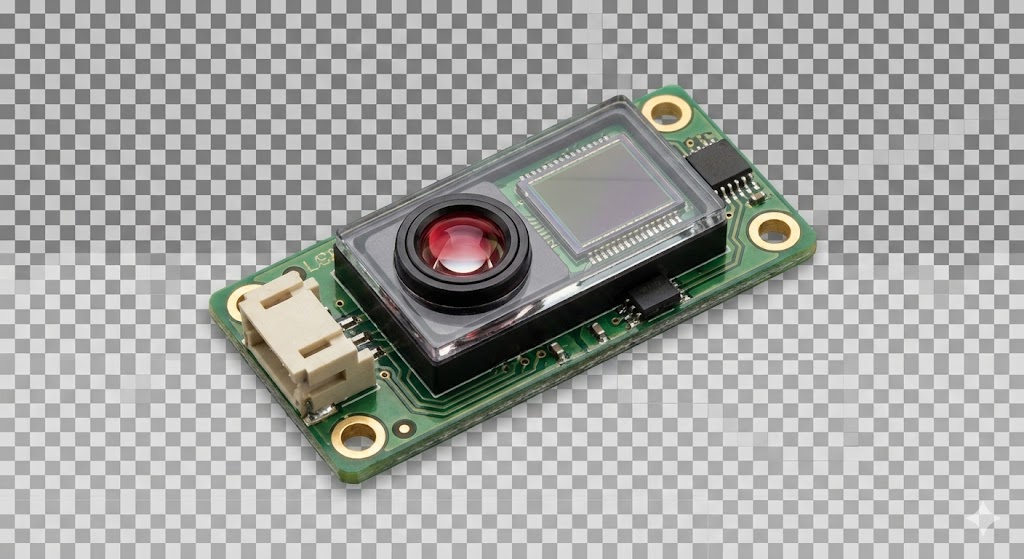
In the high-stakes world of industrial fabrication, precision is not merely a goal; it is the fundamental currency of quality and efficiency. At the heart of modern laser cutting systems lies a critical, yet often underappreciated, component: the laser cutting nozzle sensor. This sophisticated device is the linchpin that bridges the gap between raw digital design and flawless physical execution, ensuring that every cut meets exacting specifications. This article delves into the technology, benefits, and evolving role of laser cutting nozzle sensors in contemporary manufacturing.
The primary function of a laser cutting nozzle sensor is to maintain a precise and constant distance between the cutting nozzle and the workpiece. This standoff distance is paramount for several reasons. First, it ensures optimal focus of the laser beam, which directly impacts cut quality, edge smoothness, and kerf width. A fluctuating distance can lead to defocusing, resulting in poor cut quality, increased dross, and potential damage to the nozzle or lens from spatter. Second, it allows for consistent assist gas pressure and flow. The assist gas, typically oxygen or nitrogen, is crucial for ejecting molten material and, in the case of oxygen, facilitating an exothermic reaction. An inconsistent gap disrupts this flow, compromising cut speed and quality, especially in thicker materials.
Modern nozzle sensors operate on several principles, with capacitive and inductive sensing being the most prevalent. Capacitive sensors measure the change in capacitance between the nozzle (one electrode) and the workpiece (the other electrode). As the distance changes, so does the capacitance, providing a feedback signal to the machine's CNC controller. This technology is highly effective for most conductive materials, including steel, aluminum, and copper. Inductive sensors, on the other hand, generate an electromagnetic field and detect changes caused by the proximity of conductive materials. They are particularly robust in environments with high levels of plasma, smoke, or spatter, which can interfere with other sensing methods. Advanced systems often integrate these sensors with real-time pressure monitoring and vision systems, creating a closed-loop control system that dynamically adjusts the cutting head's Z-axis position.
The advantages of integrating a high-performance nozzle sensor are substantial and multifaceted. The most immediate benefit is a dramatic improvement in cut quality and consistency. By eliminating manual height setting and compensating for warped or uneven material, sensors ensure every part is cut identically, batch after batch. This leads to a significant reduction in scrap and rework, directly boosting material yield and profitability. Furthermore, sensors enable true automation. They allow for automatic nozzle changing, piercing, and cutting sequence initiation without operator intervention, facilitating lights-out manufacturing. Safety is also enhanced, as the sensor can detect a collision or an unexpected obstacle, triggering an immediate stop to prevent costly damage to the cutting head, nozzle, or machine bed.

Perhaps one of the most critical applications is in piercing operations. Piercing thick plate generates immense heat and spatter, which can easily damage an unprotected nozzle. A sensor-controlled system can perform a "raised pierce," where the nozzle retracts to a safe distance during the initial penetration, then automatically descends to the optimal cutting height. This extends nozzle life considerably, reducing consumable costs and machine downtime for maintenance.
Looking forward, the role of the nozzle sensor is expanding with Industry 4.0 trends. The next generation of sensors is becoming smarter, generating vast amounts of process data. This data can be analyzed to predict nozzle wear, optimize cutting parameters for specific materials, and provide insights into overall machine health. Integration with cloud-based platforms allows for remote monitoring and predictive maintenance, shifting from reactive to proactive operations management. Furthermore, as laser cutting pushes into new frontiers like cutting highly reflective materials (e.g., pure copper) or complex 3D contours, sensor technology is adapting. Developments in optical and laser triangulation sensors offer solutions for these challenging applications, providing non-contact measurement even on non-conductive or reflective surfaces.
In conclusion, the laser cutting nozzle sensor is far more than a simple proximity switch. It is an intelligent subsystem that is essential for achieving the precision, efficiency, and reliability demanded by today's competitive manufacturing landscape. By ensuring consistent standoff distance, it protects valuable components, optimizes process parameters, and unlocks higher levels of automation. As laser technology continues to advance, the evolution of sensor technology will remain a critical driver, enabling fabricators to cut faster, smarter, and with unparalleled accuracy, solidifying laser cutting's position as a cornerstone of modern industrial production.