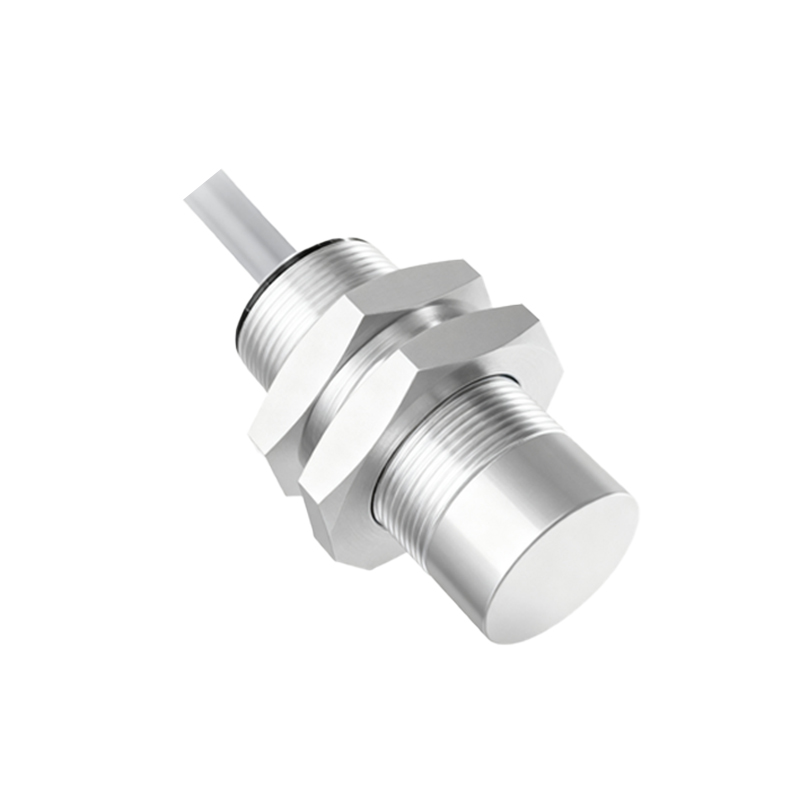
In the realm of industrial automation, stainless steel proximity sensors stand as critical components, offering unparalleled durability and reliability in harsh environments. These sensors, designed to detect the presence or absence of objects without physical contact, are essential for ensuring operational efficiency, safety, and precision across various sectors including manufacturing, food processing, pharmaceuticals, and chemical handling. The supply chain for these devices is a complex ecosystem, influenced by material science advancements, manufacturing capabilities, and stringent industry standards.
The primary advantage of stainless steel housings lies in their resistance to corrosion, extreme temperatures, and mechanical stress. Unlike plastic or mild steel variants, stainless steel sensors withstand exposure to moisture, chemicals, and abrasive conditions, making them ideal for washdown areas in food production or corrosive atmospheres in chemical plants. Common grades such as 304 and 316L stainless steel are prevalent, with 316L offering superior resistance to chlorides and acids. This robustness translates to reduced downtime and maintenance costs, a key consideration for supply chain managers seeking long-term solutions.
From a supply perspective, the market is driven by technological innovation and demand for customization. Leading suppliers focus on enhancing sensor performance through features like extended sensing ranges, improved immunity to electromagnetic interference (EMI), and integration with Industry 4.0 frameworks. Inductive, capacitive, and ultrasonic proximity sensors in stainless steel housings cater to diverse detection needs—from metallic objects to liquids and plastics. The supply chain must adapt to provide sensors with specific output types (e.g., NPN/PNP, analog, or IO-Link) and form factors (cylindrical, rectangular, or ring-shaped) to meet application-specific requirements.
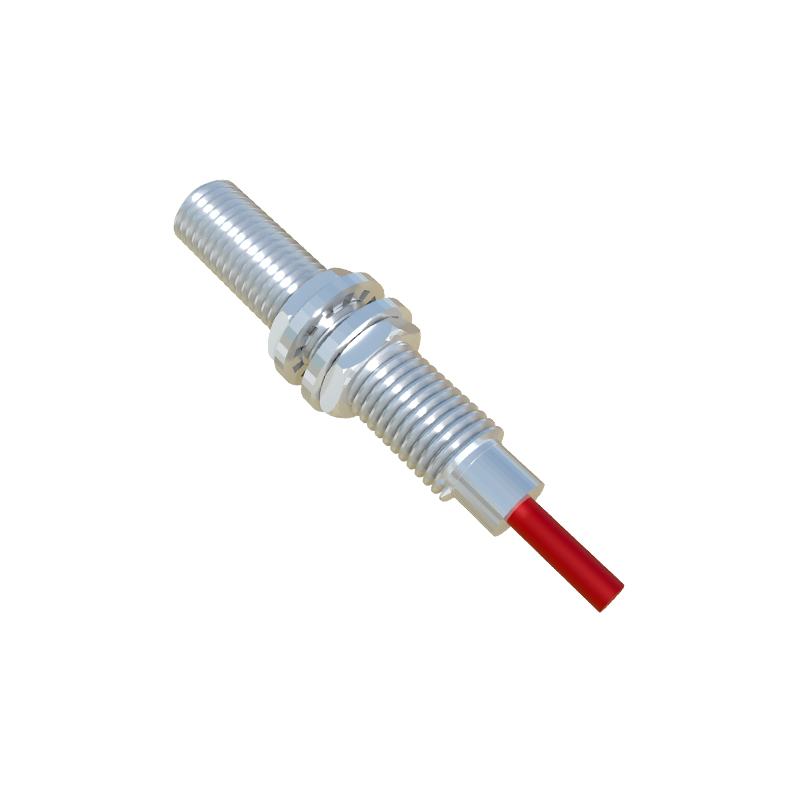
Global supply dynamics are shaped by factors such as raw material availability, manufacturing precision, and compliance with international certifications. Suppliers in regions like Europe, North America, and Asia compete on quality, lead times, and technical support. The rise of smart factories has increased demand for sensors with diagnostic capabilities and connectivity, pushing suppliers to innovate while maintaining cost-effectiveness. However, challenges persist, including supply chain disruptions, fluctuating stainless steel prices, and the need for adherence to standards like IP67/IP69K for ingress protection or FDA regulations for food-grade applications.
For procurement professionals, selecting a reliable supplier involves evaluating product portfolios, testing protocols, and after-sales services. It is advisable to partner with suppliers who offer comprehensive documentation, environmental ratings validation, and customization options. Additionally, considering lifecycle costs—rather than just initial purchase price—ensures value over time. As industries evolve toward automation and sustainability, the supply of stainless steel proximity sensors will continue to prioritize resilience, precision, and adaptability, solidifying their role as indispensable assets in modern industrial operations.