In the dynamic field of oceanographic instrumentation and coastal management, the advent of laser-based tide sensors represents a significant technological leap. Traditional tide gauges, such as pressure sensors, acoustic devices, and float-operated systems, have long served as the backbone for measuring sea level variations. However, these conventional methods often grapple with challenges related to accuracy, maintenance, susceptibility to environmental interference, and installation constraints in complex coastal zones. The laser tide sensor, leveraging advanced optoelectronic principles, offers a non-contact, high-precision solution that is transforming how engineers and scientists monitor tidal dynamics, storm surges, and long-term sea-level trends.
At its core, a laser tide sensor operates on the time-of-flight (ToF) or phase-shift measurement principle. The device emits a focused, coherent laser beam towards the water surface. The beam reflects off the water surface and returns to a detector within the sensor. By precisely measuring the time delay or the phase shift between the emitted and reflected light, the sensor calculates the exact distance to the water surface with remarkable accuracy, often within millimeters. This distance measurement, when referenced to a fixed geodetic datum, provides a direct and continuous record of the water level. The non-contact nature of this measurement is its paramount advantage; the sensor is typically mounted on a stable structure like a pier, bridge, or cliff face, well above the highest expected water level and wave action, eliminating risks of damage from debris, ice, or biological fouling that plague submerged or contact-based sensors.
The technical superiority of laser tide sensors is evident in several key performance parameters. Their measurement range can extend from a few meters to over a hundred meters, accommodating various tidal ranges and installation heights. The sampling rate is exceptionally high, capable of capturing rapid wave oscillations and high-frequency water surface fluctuations that are crucial for detailed hydrodynamic studies and real-time storm surge monitoring. Furthermore, their accuracy is minimally affected by changes in water salinity, temperature, or density—variables that significantly impact the performance of pressure transducers. Advanced models incorporate environmental compensation algorithms for atmospheric conditions like air temperature and pressure, which can slightly influence the speed of light, ensuring data integrity under all weather conditions.
For marine and civil engineers, the implications are profound. In the design and construction of coastal infrastructure—ports, harbors, seawalls, and offshore platforms—precise tidal and wave data is non-negotiable. Laser sensors provide the high-fidelity, real-time data required for structural load calculations, navigational safety planning, and sediment transport analysis. They are indispensable for the operational management of stormwater and flood control systems in low-lying urban areas, enabling predictive modeling and early warning systems. In the renewable energy sector, particularly for tidal and wave energy converters, these sensors offer precise resource assessment and operational feedback on sea state conditions, optimizing energy capture and device longevity.

From an oceanographic and climatological research perspective, the data quality from laser sensors supports critical studies on sea-level rise, a key indicator of climate change. Their stability and low drift over time make them ideal for contributing to global observation networks like the Global Sea Level Observing System (GLOSS). The ability to deploy them in remote or logistically challenging locations, powered by solar panels and transmitting data via satellite telemetry, expands the spatial coverage of monitoring networks, filling crucial data gaps.
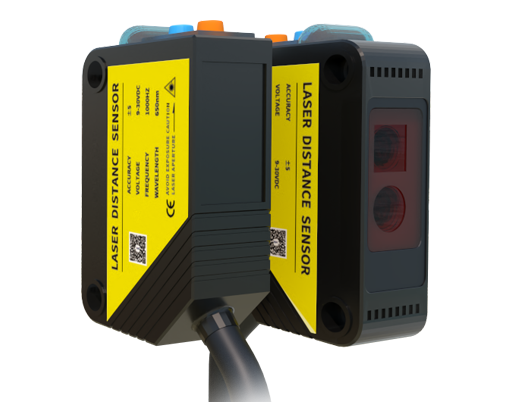
Despite their advantages, practical deployment requires careful consideration. The initial capital cost is generally higher than for traditional gauges. The laser beam requires a clear, unobstructed path to the water surface; heavy rain, fog, or significant spray can temporarily attenuate the signal, though modern signal processing can often filter out such noise. Mounting structures must be exceptionally stable, as any vibration or movement will be interpreted as a change in water level. Therefore, rigorous site assessment and proper installation are critical for optimal performance.
Ongoing research is focused on enhancing the robustness and affordability of these systems. Integration with complementary technologies, such as radar sensors for all-weather capability or GNSS for precise positioning, is creating multi-sensor platforms. The development of compact, solid-state laser modules and improved power management is also making these systems more accessible for long-term, unattended monitoring applications.
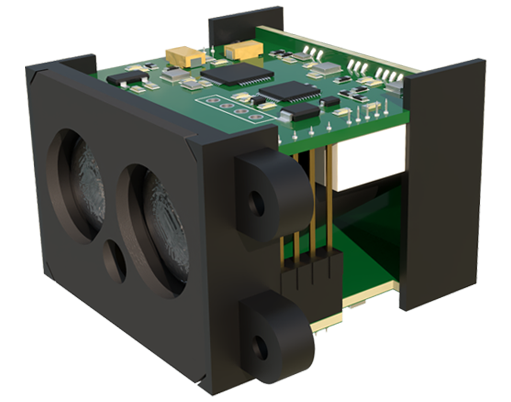
In conclusion, laser tide sensors are not merely an incremental improvement but a paradigm shift in hydrographic measurement. By delivering contactless, millimeter-level accuracy with high temporal resolution, they empower engineers, researchers, and coastal managers with unprecedented insights into the behavior of our oceans and shorelines. As coastal resilience becomes increasingly critical in the face of climate change and growing maritime activities, the role of precise, reliable monitoring tools like the laser tide sensor will only become more central to safeguarding infrastructure, ecosystems, and communities.