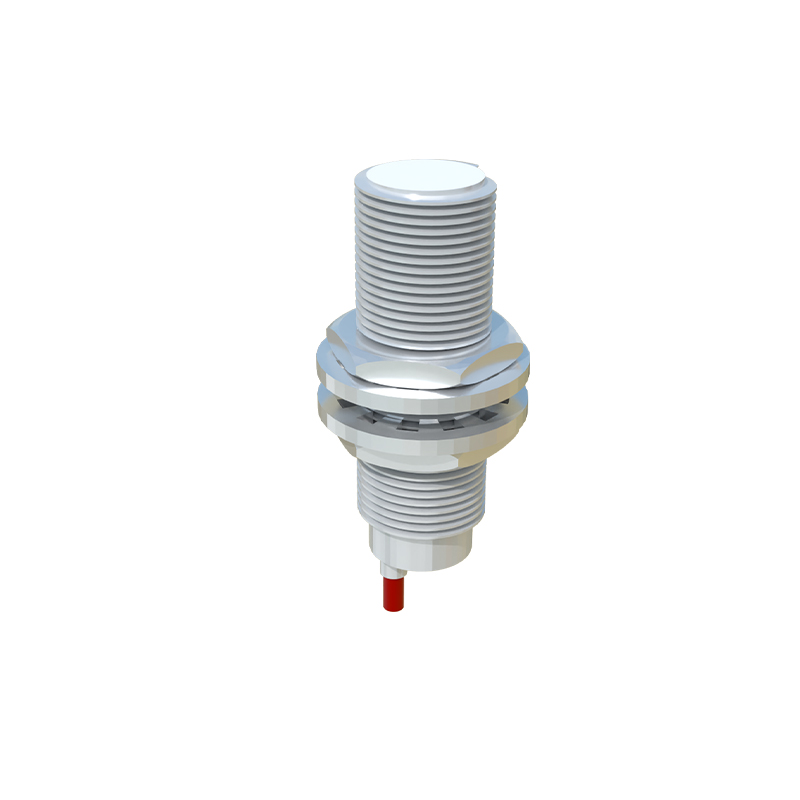
In the realm of industrial automation, the reliability and precision of sensing technology are paramount. The Proximity Sensor GX-8MU stands as a quintessential example of engineering designed to meet the rigorous demands of modern manufacturing and control systems. This inductive proximity sensor, characterized by its compact M8 form factor, is engineered for non-contact detection of metallic objects, offering a robust solution for position sensing, object counting, and end-position detection in a wide array of applications.
The GX-8MU sensor operates on the principle of electromagnetic induction. It generates a high-frequency oscillating electromagnetic field from its sensing face. When a metallic target enters this field, eddy currents are induced on the target's surface. This causes a change in the oscillation amplitude within the sensor's internal LC resonant circuit. The sensor's circuitry detects this damping effect and triggers a switching signal. This fundamental operating principle grants it significant advantages: immunity to surface conditions like dust, oil, or moisture, and the ability to detect objects without physical contact, thereby eliminating mechanical wear and tear.
Key technical specifications define the GX-8MU's performance envelope. It typically features a standard sensing distance (Sn) of 2mm, with a guaranteed operational range between 0% and 81% of Sn, accounting for manufacturing tolerances and environmental factors. The sensor is designed to detect all common ferrous metals (like iron and steel) and often non-ferrous metals (such as aluminum, brass, and copper), though the effective sensing range may reduce for non-ferrous targets. The housing is commonly constructed from nickel-plated brass or stainless steel, providing excellent resistance to corrosion, coolants, and cutting oils. Most models are rated with IP67 or higher ingress protection, making them suitable for use in wash-down environments or areas with significant particulate matter.
Electrical characteristics are equally critical. The GX-8MU is available in both NPN (sinking) and PNP (sourcing) transistor output configurations, allowing seamless integration with PLCs (Programmable Logic Controllers) from various global manufacturers. The output is typically a solid-state switch, ensuring a long operational life with a high switching frequency, often exceeding 1 kHz. Operating voltage ranges are broad, commonly from 10-30V DC, ensuring compatibility with standard industrial 24V DC power supplies. A built-in protection circuit against short-circuit, reverse polarity, and surge voltages is a standard feature, enhancing system reliability and reducing downtime.
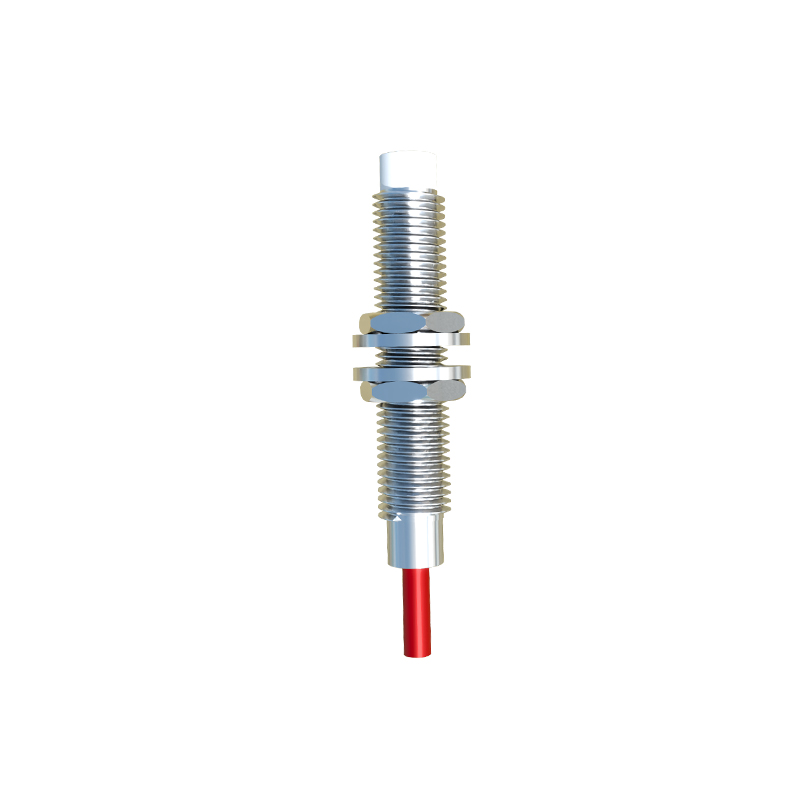
Installation and application considerations are straightforward yet vital for optimal performance. The sensor should be mounted securely, ensuring that only the target metal approaches the active sensing face. It is crucial to maintain the specified lateral and axial clearance from other metal objects and adjacent sensors to prevent mutual interference. The GX-8MU's compact size allows for installation in space-constrained locations, such as within robotic grippers, on conveyor system guides, or inside machine tools. A common LED status indicator provides visual confirmation of power and output switching, aiding in quick diagnostics and setup.
When compared to other sensing technologies like photoelectric or capacitive sensors, the inductive GX-8MU excels in environments where the target is consistently metallic and where environmental contaminants are present. It is less susceptible to interference from ambient light, transparent materials, or color variations. However, its limitation is exclusive to metal detection. For non-metallic object detection in similar harsh conditions, a capacitive variant would be the appropriate choice.
In conclusion, the Proximity Sensor GX-8MU represents a mature, highly reliable component in the automation engineer's toolkit. Its durability, consistent performance under adverse conditions, and simple integration make it a preferred choice for countless applications, from packaging machinery and automotive assembly lines to material handling systems. Proper selection, based on target material, required sensing distance, output type, and environmental rating, ensures that the GX-8MU will deliver years of maintenance-free service, contributing to increased productivity and system uptime in industrial operations worldwide.