In the rapidly evolving landscape of industrial automation, laser inductive sensors have emerged as a cornerstone technology, enabling unprecedented levels of precision, reliability, and efficiency. These sophisticated devices, which utilize laser light and electromagnetic induction principles to detect the presence, position, or composition of objects without physical contact, are critical for modern manufacturing, robotics, and quality control systems. At the forefront of this technological revolution are a select group of industry-leading manufacturers whose innovations and engineering excellence define the market's standards and future trajectory.
Key players such as SICK AG, Pepperl+Fuchs, Omron Corporation, Keyence Corporation, and Banner Engineering have established themselves as the undisputed leaders in the laser inductive sensor domain. Their dominance is not merely a result of market share but stems from a deep commitment to research and development, pushing the boundaries of what is possible in sensing technology. SICK AG, a German powerhouse, is renowned for its high-precision laser sensors used in challenging environments, from automotive assembly lines to logistics automation. Their sensors offer exceptional accuracy for distance measurement and object detection, even in the presence of dust, steam, or variable surface textures.
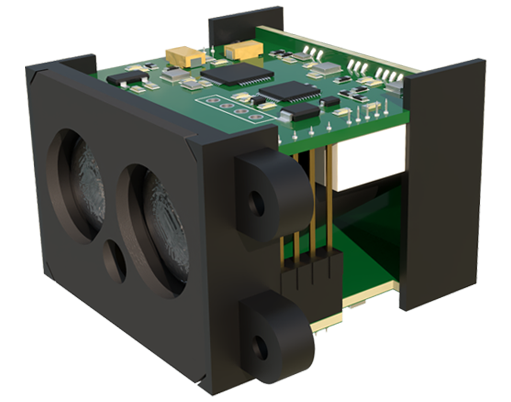
Similarly, Pepperl+Fuchs has built a formidable reputation for robustness and innovation, particularly in intrinsic safety and IO-Link communication-enabled sensors, making them indispensable in hazardous areas and Industry 4.0 applications. Japanese giants Omron and Keyence are celebrated for their miniaturization capabilities and integration of advanced functionalities. Omron's sensors often feature enhanced environmental resistance and easy setup, while Keyence is a pioneer in ultra-high-speed, ultra-precision laser measurement sensors that are vital for electronics manufacturing and inspection.
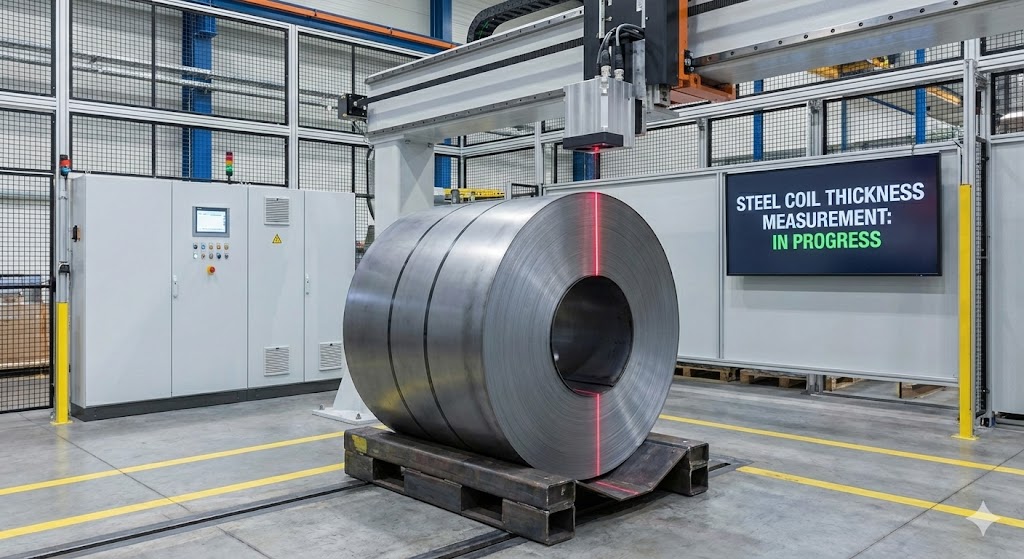
Banner Engineering, a major force in North America, excels in providing versatile and cost-effective laser sensor solutions with superior optical performance and intuitive configuration software. These leaders continuously invest in enhancing core performance metrics: measurement resolution, response speed, sensing range, and environmental durability. The latest generation of sensors incorporates smart features like predictive maintenance diagnostics, advanced data logging, and seamless connectivity via industrial Ethernet protocols (EtherNet/IP, PROFINET) and wireless interfaces.
The applications driving demand are vast and growing. In automotive manufacturing, laser inductive sensors ensure precise robotic welding, paint gap inspection, and component alignment. In the electronics sector, they verify chip placement on PCBs and measure microscopic component dimensions. Packaging and material handling rely on them for accurate object counting, label detection, and fill-level monitoring. Furthermore, the rise of collaborative robots (cobots) and autonomous mobile robots (AMRs) has created a new demand for compact, lightweight, and highly responsive sensors for navigation and obstacle avoidance.
The competitive edge of these market leaders lies in their holistic approach. They provide not just hardware but complete sensing solutions, including sophisticated configuration software, application-specific engineering support, and global service networks. Their ability to offer customized sensors for unique industrial challenges sets them apart. As industries move towards greater digitalization and the Industrial Internet of Things (IIoT), these companies are integrating sensor data directly into cloud platforms for analytics, enabling predictive quality control and optimized production flows.
Looking ahead, the future of laser inductive sensors is intertwined with trends like artificial intelligence and edge computing. Leaders are developing sensors with embedded AI chips capable of making preliminary decisions at the source, reducing latency and network load. Sustainability is another focus, with efforts to reduce sensor power consumption and use more recyclable materials. The ongoing miniaturization will open new applications in micro-assembly and medical device manufacturing.
In conclusion, the landscape of laser inductive sensor technology is shaped decisively by a consortium of engineering-driven manufacturers. Their relentless pursuit of innovation in precision, connectivity, and intelligence ensures that these sensors remain a vital enabler of smarter, safer, and more efficient industrial operations worldwide. For any organization embarking on an automation journey, partnering with these technological leaders is a strategic imperative to harness the full potential of modern sensing solutions.