In the rapidly evolving landscape of industrial automation, smart proximity sensors have emerged as a cornerstone technology. Their ability to detect the presence, absence, or position of an object without physical contact is fundamental to modern manufacturing, robotics, and process control. The production of these sophisticated devices is a complex, multi-stage process that demands precision engineering, stringent quality control, and a deep understanding of both hardware and embedded software. This article delves into the core manufacturing stages, key considerations, and emerging trends shaping the production of intelligent proximity sensors.
The journey begins with the design and prototyping phase. Engineers must first define the sensor's specifications: sensing range, target material compatibility (ferrous, non-ferrous, or all metals), output type (PNP/NPN, analog, IO-Link), housing material (typically stainless steel, brass, or PBT plastic), and protection rating (IP67/IP69K). The core sensing principle—inductive, capacitive, or ultrasonic—is selected based on the application. Advanced design software is used to model the coil (for inductive sensors), the oscillator circuit, and the housing. Rapid prototyping, often using 3D printing for housings and custom PCBs for electronics, allows for functional testing and validation in simulated real-world conditions before full-scale production commences.
Component sourcing and PCB assembly form the next critical pillar. High-reliability components are non-negotiable. This includes the ferrite core and wound coil for inductive sensors, high-quality oscillators, microcontrollers (MCUs) with integrated analog-to-digital converters, and robust output transistors. For smart sensors with IO-Link or other industrial communication protocols, dedicated communication chips are integrated. Surface-Mount Technology (SMT) lines populate the printed circuit board (PCB) with these components. Automated optical inspection (AOI) and X-ray inspection systems are employed post-soldering to detect any soldering defects, misalignments, or voids, ensuring the electrical integrity of the heart of the sensor.
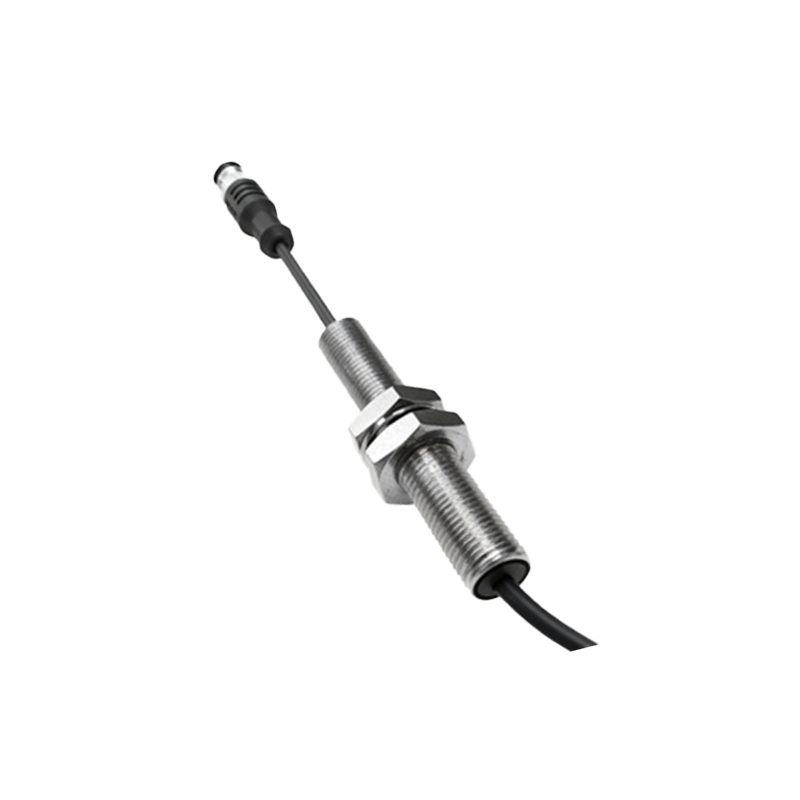
The encapsulation and housing assembly process is where the electronic core is protected from harsh industrial environments. The assembled PCB is precisely placed into the sensor housing. For sensors requiring high durability, the front sensing face and the internal cavity containing the coil and electronics are potted with a specialized epoxy resin. This potting compound provides exceptional resistance to vibration, shock, moisture, and chemicals. The housing is then sealed, often using laser welding for metal housings or ultrasonic welding for plastic types, to achieve the required IP rating. This step is crucial for ensuring long-term reliability in demanding settings like automotive welding lines or food and beverage processing.
Calibration and programming are what transform a standard proximity sensor into a "smart" device. Each sensor undergoes precise calibration to ensure its sensing distance meets the specified tolerance. For analog sensors, this involves setting the linear output curve. For smart sensors with IO-Link, this stage is more comprehensive. The embedded firmware is loaded onto the MCU. This firmware manages the sensing algorithm, handles the communication protocol, and enables smart features like parameter storage, condition monitoring, and diagnostic data reporting (e.g., operating temperature, signal strength, switch cycle count). Sensors are tested on automated benches that simulate targets at various distances to verify switching accuracy and hysteresis.
Finally, rigorous end-of-line testing and quality assurance guarantee performance. Every single sensor is subjected to a battery of tests. These include functional testing of the switching output, dielectric strength tests (hipot tests) to verify insulation, temperature cycling tests to ensure stability across the operating range, and sometimes short-circuit and reverse-polarity tests. Smart sensors undergo additional communication tests to verify data exchange via IO-Link, PROFINET, or EtherNet/IP. Statistical process control (SPC) data from these tests is continuously analyzed to monitor production quality and identify potential process improvements.
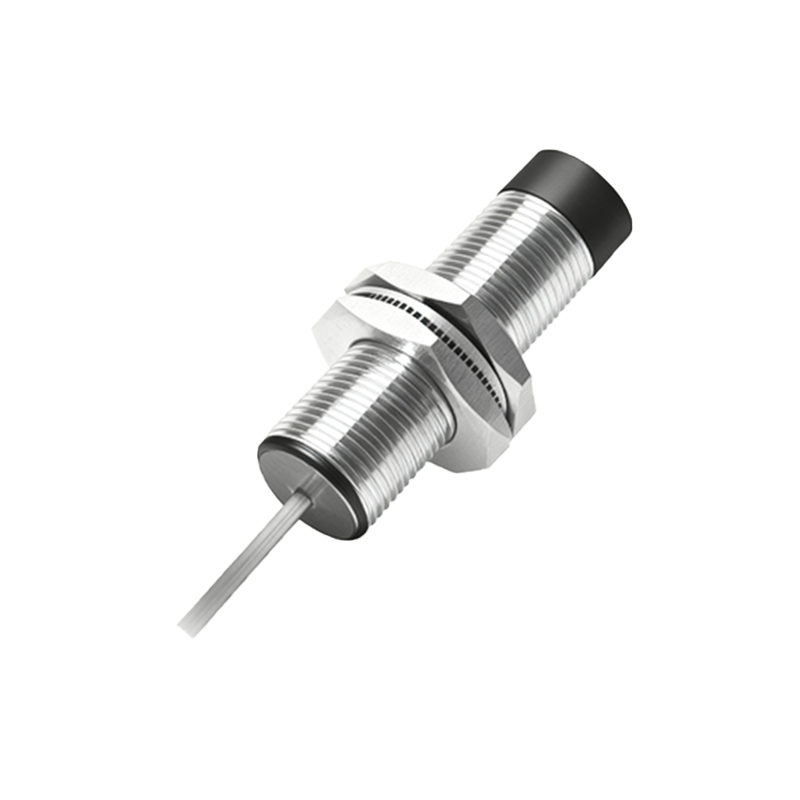
Looking ahead, manufacturing trends are pushing towards greater flexibility and intelligence. The rise of Industrial IoT (IIoT) demands sensors with built-in connectivity and data-rich outputs. Production lines are increasingly adopting AI-driven visual inspection for quality control. Furthermore, the use of advanced materials and miniaturization techniques continues, enabling sensors for ever more compact and challenging applications. In conclusion, manufacturing smart proximity sensors is a symphony of electrical engineering, materials science, and software integration. It is a process where precision, durability, and intelligence converge to create the essential eyes and touchpoints of the automated industrial world.