In the rapidly evolving landscape of industrial automation, consumer electronics, and robotics, the demand for precise, reliable, and space-efficient sensing technology has never been greater. Micro proximity and distance sensors have emerged as pivotal components, enabling machines and devices to perceive their immediate environment with remarkable accuracy. These miniature marvels, often no larger than a grain of rice, are fundamentally changing design paradigms by allowing for sophisticated functionality in increasingly compact form factors.
At their core, micro proximity sensors are devices that detect the presence or absence of an object within a short range without physical contact. They operate on various principles, with the most common being inductive, capacitive, and photoelectric (optical) sensing. Inductive sensors excel in detecting metallic objects by generating an electromagnetic field, while capacitive sensors can detect both metallic and non-metallic materials by sensing changes in capacitance. Photoelectric sensors, which include infrared (IR) and laser variants, use a light emitter and receiver to detect objects based on the interruption or reflection of a light beam. When these technologies are miniaturized, they retain their core functionality while being integrated into applications where space is at a premium, such as inside smartphones for screen blanking during calls, in miniature drones for obstacle avoidance, or in precision medical instruments.
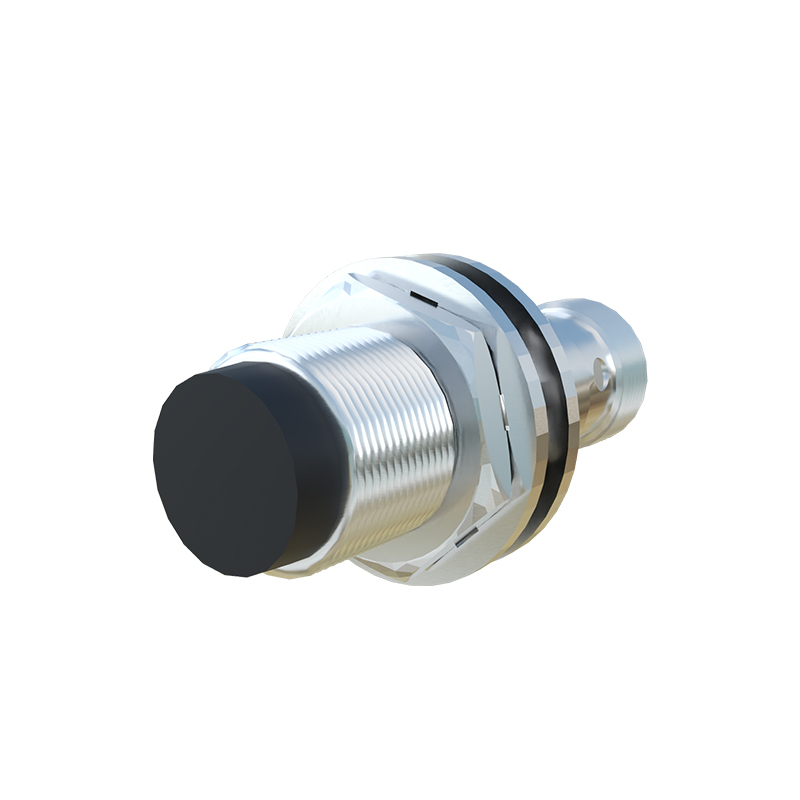
Micro distance sensors, a closely related category, go a step further by not only detecting presence but also precisely measuring the exact distance to a target. Time-of-Flight (ToF) sensors are a leading technology in this micro domain. A ToF sensor measures the time it takes for a light signal (often an infrared laser pulse) to travel to an object and back to the sensor. Given the constant speed of light, this time measurement is directly converted into a highly accurate distance reading. This technology powers the face unlock features in modern smartphones, enables gesture control in smart home devices, and provides critical depth perception for autonomous mobile robots navigating tight spaces. Another technology, the micro laser triangulation sensor, projects a laser point onto a target; the reflection is captured by a sensor at a known angle, and the distance is calculated through trigonometric principles, offering extreme precision for tasks like wafer alignment in semiconductor manufacturing or thickness measurement in micro-assembly.
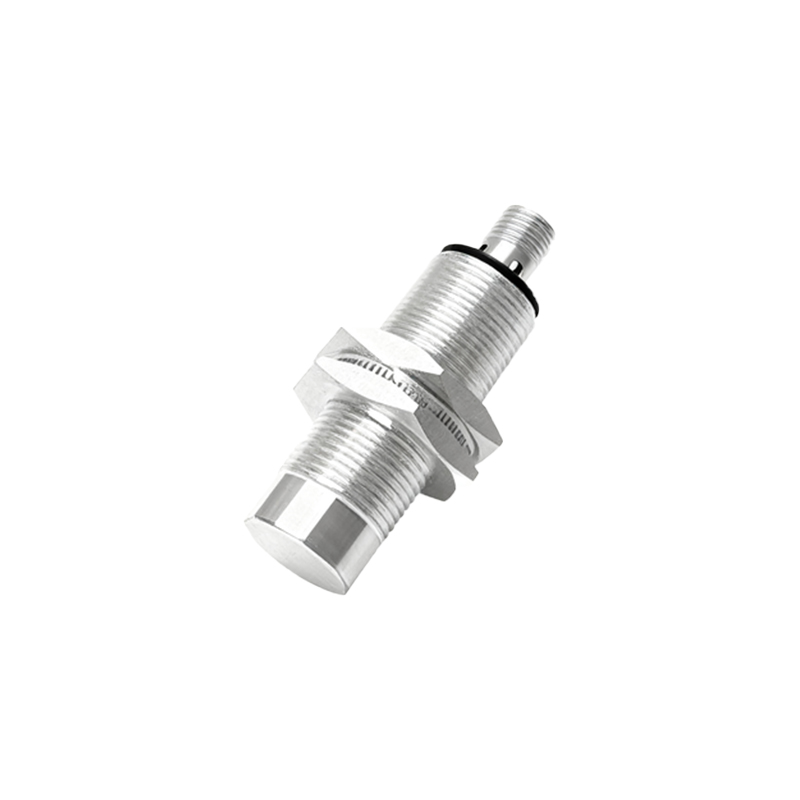
The advantages of these micro-sensors are multifaceted. Their diminutive size is the most obvious benefit, allowing them to be embedded into products without compromising design aesthetics or functionality. This miniaturization is coupled with low power consumption, a critical feature for battery-operated portable and IoT devices. Furthermore, advancements in micro-electro-mechanical systems (MEMS) fabrication have led to improved reliability, robustness, and consistency in performance, even in challenging environments with factors like vibration, ambient light, or temperature variations. Modern micro-sensors also feature digital outputs (like I2C or SPI) and integrated signal processing, simplifying their integration into broader electronic systems and reducing the development burden on engineers.
The application spectrum for micro proximity and distance sensors is vast and continuously expanding. In consumer electronics, they are ubiquitous: ensuring the lid of a laptop is closed, enabling touchless faucets and soap dispensers, and providing the core sensing for true wireless earbuds to play/pause music when removed from the ear. The automotive industry relies on them for interior occupancy detection, gear shift position sensing, and in advanced driver-assistance systems (ADAS) for close-range parking assistance. In industrial settings, they perform critical roles in counting tiny components on a high-speed assembly line, verifying the presence of a seal on a micro-medical vial, or ensuring precise positioning of robotic arms in collaborative robot (cobot) cells. Even the healthcare sector utilizes them in miniaturized diagnostic equipment and wearable devices for monitoring patient movement or proximity.
Selecting the right micro sensor requires careful consideration of several parameters. The required sensing range, often just a few millimeters to several centimeters for "micro" applications, is paramount. The nature of the target object—its material, color, reflectivity, and size—dictates whether an inductive, capacitive, or optical solution is optimal. Environmental conditions such as potential contamination, humidity, and electrical noise must also be evaluated. Finally, the required output type (digital vs. analog), response speed, and physical package size and shape will finalize the selection to ensure seamless integration into the end application.
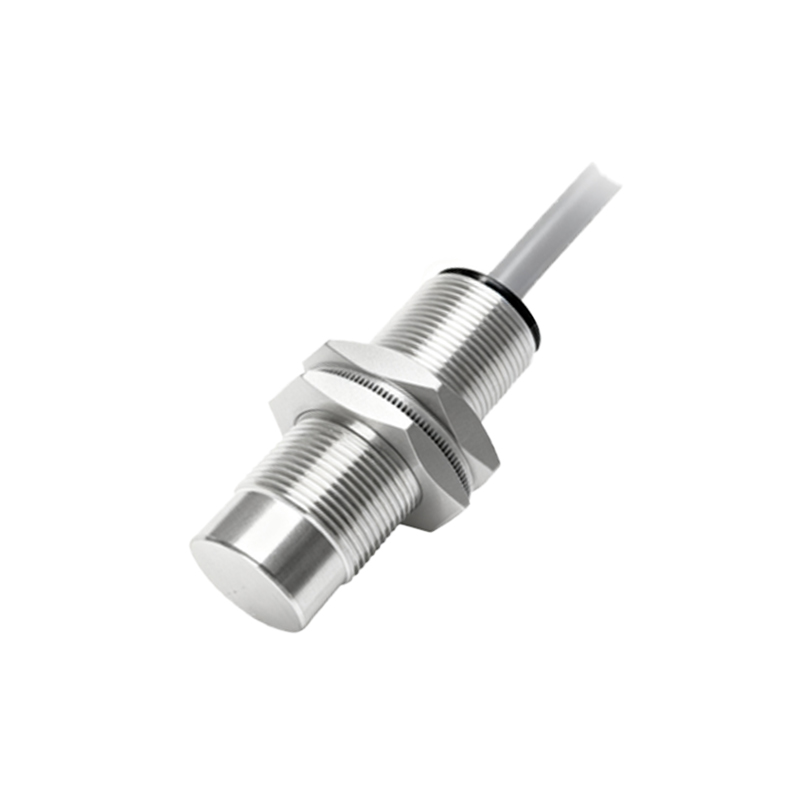
Looking ahead, the trajectory for micro proximity and distance sensors points toward even greater integration, intelligence, and multi-functionality. The convergence of sensing, processing, and wireless communication into single, ultra-compact system-in-package (SiP) modules is already underway. Furthermore, the development of sensors capable of operating in harsh conditions with higher temperature ranges or resistance to chemicals will open new frontiers in automotive under-hood applications and industrial process control. As the Internet of Things (IoT) and Industry 4.0 continue to mature, these tiny sentinels will form the essential sensory layer, providing