In the rapidly evolving landscape of industrial automation and smart systems, the demand for precise, reliable sensing technology has never been higher. Optical proximity sensors stand at the forefront of this demand, serving as critical components in applications ranging from robotic assembly lines and packaging machinery to consumer electronics and automotive safety systems. For hiring managers and technical leads in the electrical engineering sector, identifying and recruiting top talent specialized in this niche is paramount to maintaining a competitive edge. This guide outlines the key considerations for building a proficient team capable of innovating and implementing optical sensing solutions.
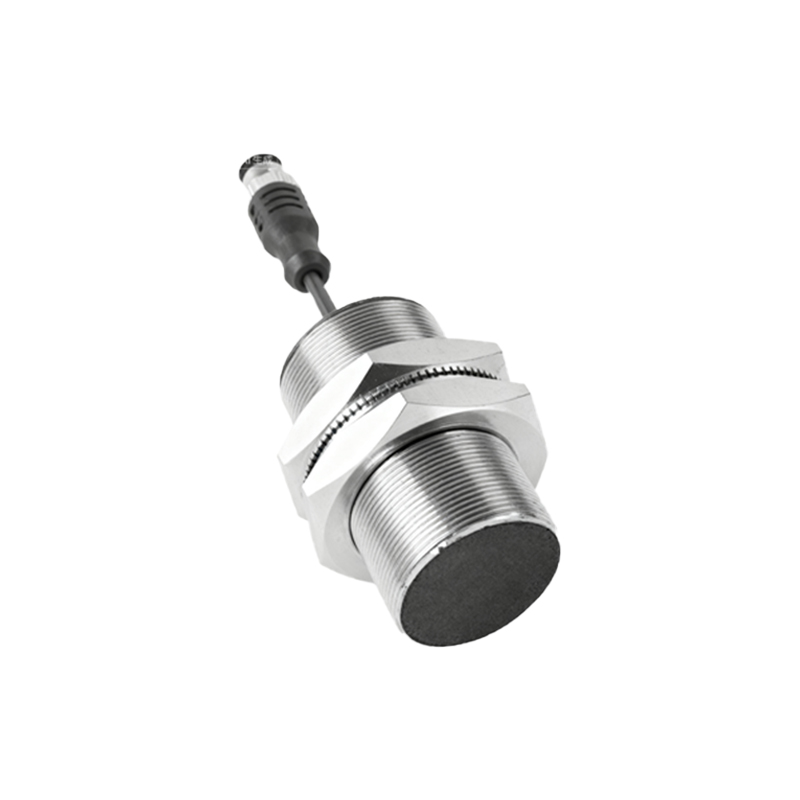
Understanding the core technology is the first step in effective hiring. Optical proximity sensors operate by emitting a beam of light, typically from an LED or laser diode, and detecting changes in the reflected light to determine the presence, absence, or distance of an object. They are prized for their non-contact operation, high speed, and accuracy. Candidates should possess a solid foundation in the underlying principles, including knowledge of modulated light signals (to overcome ambient light interference), different sensing modes (diffuse, retro-reflective, through-beam), and the physics of light reflection and triangulation. A strong grasp of related components, such as photodiodes, phototransistors, and application-specific integrated circuits (ASICs) for signal processing, is non-negotiable.
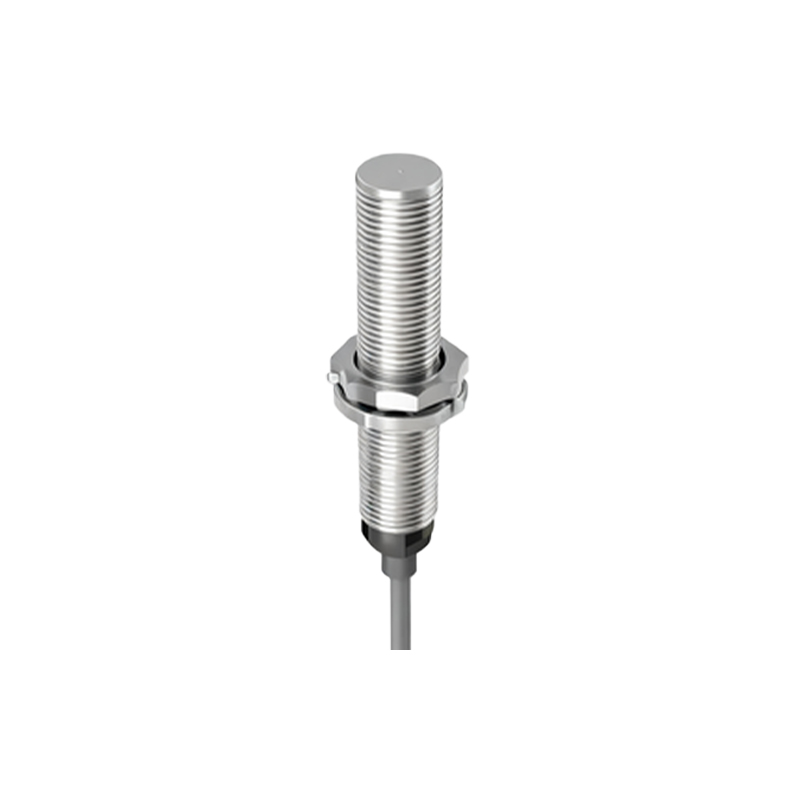
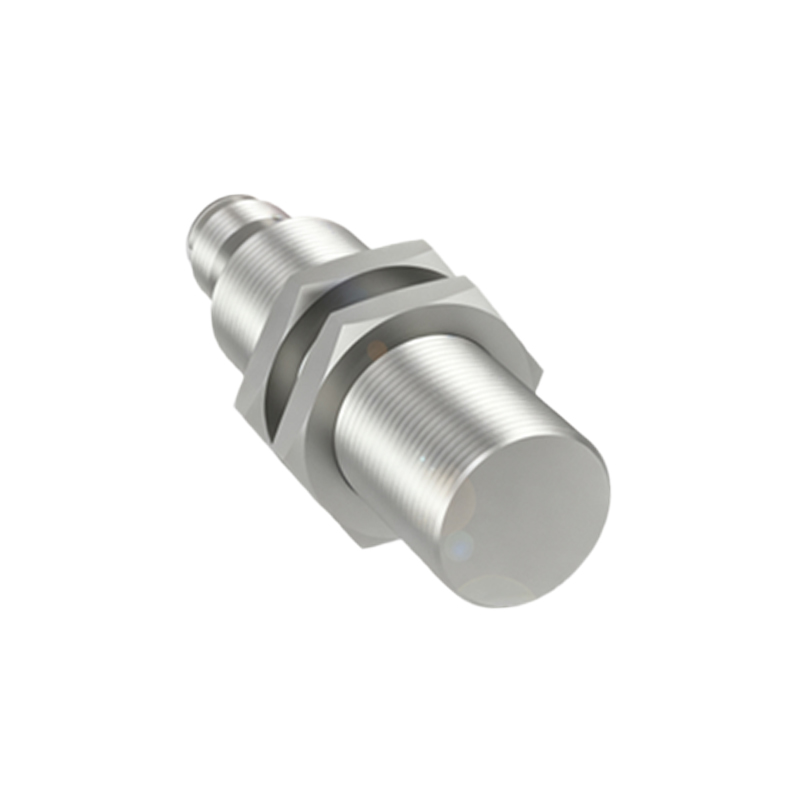
The ideal candidate profile extends beyond theoretical knowledge. Look for professionals with hands-on experience in several critical areas. First is sensor selection and integration. The market offers a vast array of sensors with varying ranges, light sources (infrared, red, laser), housing materials, and output types (digital PNP/NPN, analog, IO-Link). A skilled engineer must be able to analyze application requirements—considering factors like target material, color, surface finish, environmental conditions (dust, moisture, temperature), and required sensing distance—to specify the optimal sensor. Interview questions should probe their experience with datasheet interpretation and real-world trade-offs.
Second is circuit design and interfacing. Engineers must be adept at designing robust interface circuits. This includes providing stable power supplies, implementing proper filtering to mitigate electrical noise, and connecting sensor outputs to programmable logic controllers (PLCs), microcontrollers, or other control systems. Knowledge of protection circuits against overvoltage, reverse polarity, and short circuits is essential for ensuring longevity in industrial settings.
Third, and increasingly important, is programming and system integration. Modern sensors are intelligent devices. Talent with experience in configuring sensor parameters via software tools, troubleshooting communication protocols like IO-Link or Ethernet/IP, and integrating sensor data into larger Industrial Internet of Things (IIoT) or Industry 4.0 frameworks is highly valuable. The ability to write simple scripts for data logging or calibration can be a significant advantage.
Fourth is testing, validation, and troubleshooting. A proficient engineer must design rigorous test procedures to validate sensor performance under simulated operational conditions. This involves using oscilloscopes, multimeters, and logic analyzers to diagnose issues such as false triggering, insufficient range, or signal drift. Problem-solving skills are critical here; ask candidates to walk you through a past challenging troubleshooting scenario.
When crafting your job description, be specific about the required technical skills. Keywords should include: Optical Sensor Design, Photoelectric Sensing, Industrial Automation, Circuit Design for Sensors, PLC Integration, Signal Conditioning, and IIoT. Clearly state the industries your company serves (e.g., automotive, pharmaceuticals, food & beverage) as this attracts candidates with relevant domain experience.
The interview process should be multi-faceted. A technical screening can assess fundamental knowledge. A practical, hands-on lab test or a detailed case study discussion is invaluable. Present a hypothetical problem: "How would you design a sensing solution for detecting transparent bottles on a high-speed conveyor?" This tests their systematic approach, from material consideration to final integration.
Finally, consider the softer skills. The field is interdisciplinary, requiring collaboration with mechanical engineers, software developers, and production staff. Strong communication skills to explain technical concepts to non-experts and a mindset geared towards continuous learning are indispensable, given the pace of technological change.
Investing in the right talent for optical proximity sensor development and application is an investment in product quality, operational efficiency, and innovation. By focusing on a blend of deep technical expertise, practical experience, and adaptive problem-solving abilities, companies can assemble teams that not only solve today's sensing challenges but also pioneer the solutions of tomorrow.