Laser mirror sensors represent a critical component in modern industrial automation, offering precise detection and measurement capabilities. Their pricing, however, is not a single figure but a spectrum influenced by a complex interplay of technical specifications, performance requirements, and market dynamics. For engineers and procurement specialists, a deep understanding of these cost drivers is essential for making informed investment decisions that balance budgetary constraints with operational needs.
At the core of a laser mirror sensor's cost is its underlying technology and performance grade. Basic models utilizing standard red laser diodes and simple photoelectric receivers are positioned at the lower end of the price scale. These are suitable for straightforward presence detection in controlled environments. Moving up the ladder, sensors employing Class 2 or Class 1 infrared lasers with higher-quality optics and advanced signal processing chips command a premium. The most significant cost jump is associated with sensors featuring high-precision blue lasers or specialized wavelengths. These offer superior resolution, smaller spot sizes, and enhanced performance on challenging surfaces (like shiny metals or transparent materials), making them indispensable for precision alignment, micro-measurement, and high-speed sorting applications. The choice of laser type, power output, and beam quality directly correlates with the component cost.
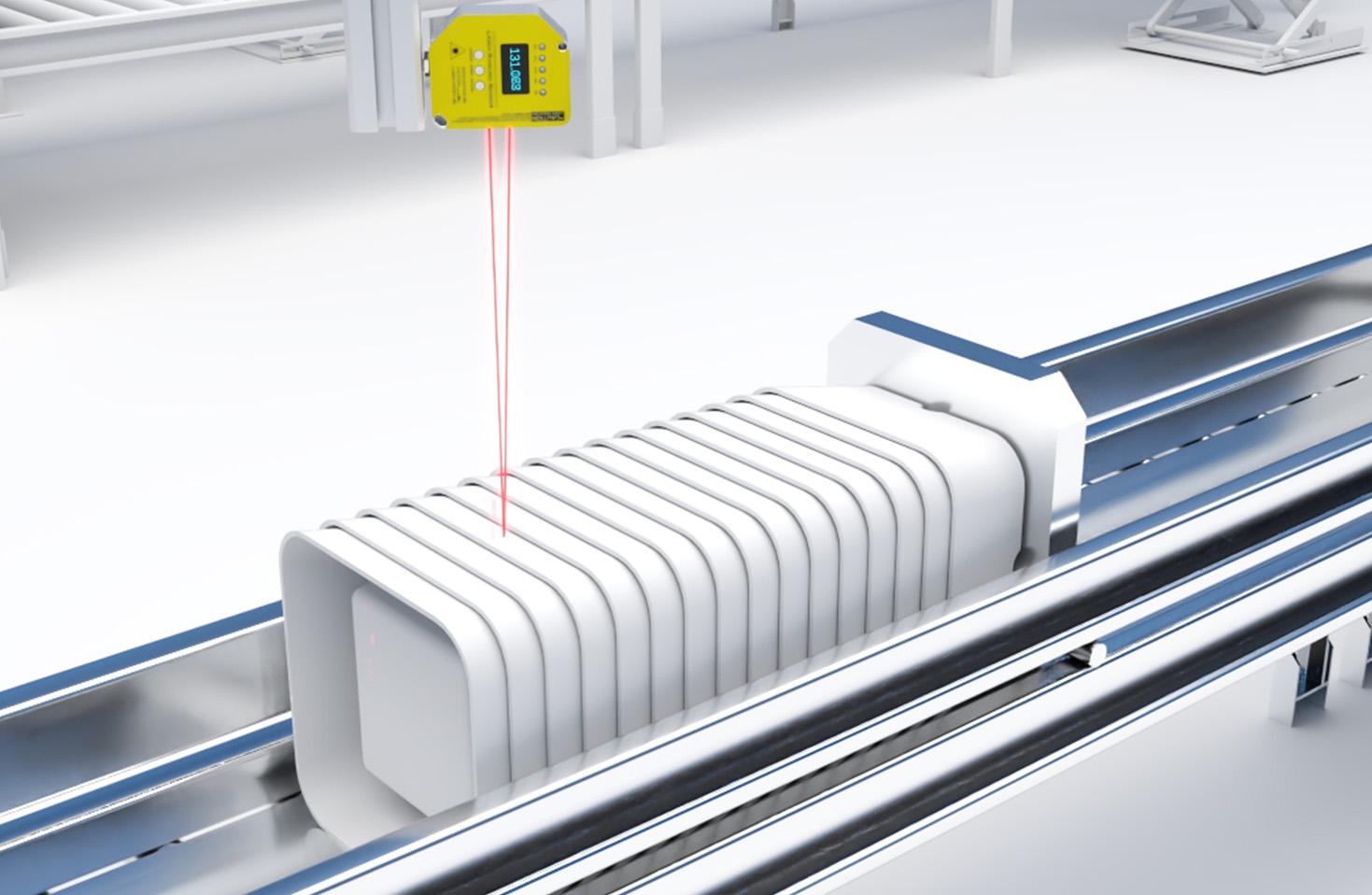
The housing and construction materials are substantial cost factors, directly tied to the sensor's durability and application environment. Economical sensors typically use standard plastics or basic aluminum housings, sufficient for light-duty, clean factory settings. For harsh industrial environments—characterized by exposure to coolants, oils, extreme temperatures, physical impact, or washdown procedures (IP67/IP69K ratings)—the housing must be constructed from stainless steel (often V4A/316 grade) or specially coated, ruggedized alloys. These materials and the engineering required to achieve high ingress protection ratings significantly increase manufacturing costs. Furthermore, sensors designed for use in potentially explosive atmospheres (ATEX, IECEx certifications) undergo rigorous testing and require intrinsically safe designs, adding a considerable premium to the base price.
Performance specifications and functional complexity are major price determinants. Key parameters include sensing range, repeatability, response time, and output options. A standard sensor with a 0-2 meter range and millisecond response will be far less expensive than a long-range variant capable of 50-meter detection with microsecond response times for high-speed production lines. The integration of advanced features like background suppression (true or technological), adjustable sensing windows, teach-in functions via push-button or IO-Link, and programmable logic controllers (PLCs) within the sensor head itself adds layers of cost. IO-Link communication capability, in particular, while adding cost, provides immense value in Industry 4.0 setups by enabling parameter setting, condition monitoring, and digital data exchange, justifying the higher initial investment through reduced downtime and smarter maintenance.
The brand and associated ecosystem also influence market pricing. Established global manufacturers (e.g., Keyence, Sick, Banner Engineering, Omron) often price their sensors higher. This premium reflects not only the perceived reliability and performance consistency of their products but also comprehensive technical support, extensive application engineering resources, global availability, and long-term warranty programs. In contrast, competitive offerings from other reputable brands or specialized manufacturers may provide similar core performance at a lower price point, though sometimes with trade-offs in delivery lead times or the breadth of support services. The total cost of ownership (TCO), which includes installation, calibration, maintenance, and potential production losses from failures, must be evaluated alongside the initial purchase price.
Finally, market factors such as order volume, supply chain stability, and regional distribution channels play a role. Large OEM orders typically secure substantial volume discounts. Conversely, geopolitical events or component shortages (like specialized semiconductors) can cause price volatility and extended lead times. Purchasing through authorized distributors might have a slightly higher unit cost compared to direct channels but ensures genuine products, warranty validity, and immediate local support.
In conclusion, the price of a laser mirror sensor is a direct reflection of its technological sophistication, ruggedness, precision, and the ecosystem supporting it. A thorough analysis of the application requirements—environmental conditions, required accuracy, speed, and integration needs—against the available product tiers is crucial. The most cost-effective choice is rarely the cheapest unit available but rather the sensor that delivers reliable, maintenance-free performance over its entire lifecycle, thereby safeguarding productivity and minimizing unplanned downtime in critical industrial operations.