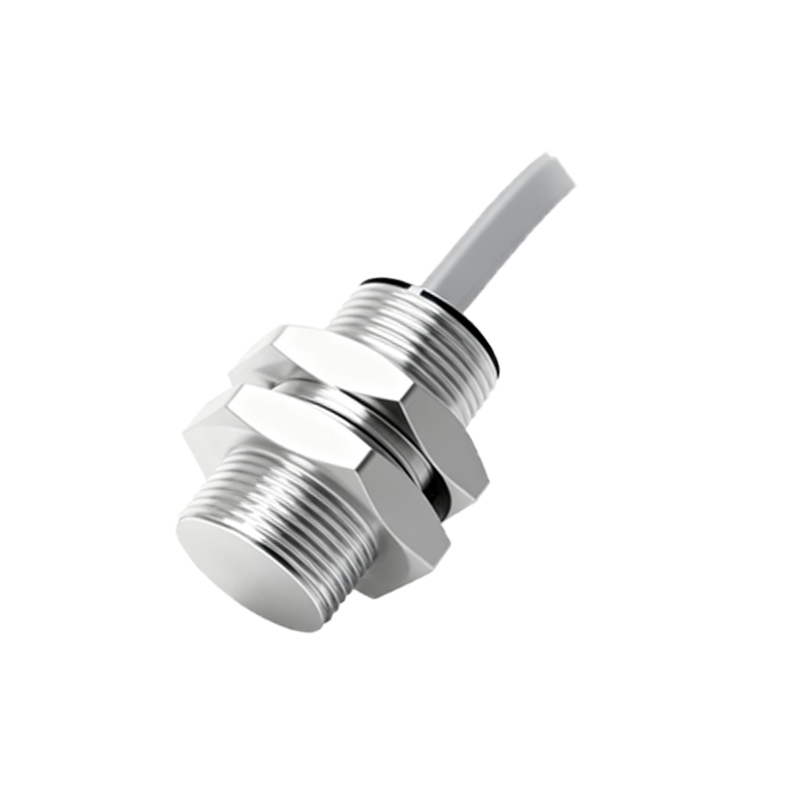
Proximity sensors are indispensable components in today's automated industrial systems, serving as the eyes of machinery by detecting the presence or absence of objects without physical contact. These devices operate on various principles, including inductive, capacitive, ultrasonic, and photoelectric technologies, each tailored to specific environmental and material conditions. Inductive proximity sensors, for instance, excel in detecting metallic objects by generating an electromagnetic field, making them ideal for metalworking, automotive assembly, and conveyor systems. Capacitive sensors, on the other hand, can detect both metallic and non-metallic materials, such as liquids, plastics, or wood, by measuring changes in capacitance, thus finding applications in food processing, packaging, and level monitoring.
The primary function of proximity sensors is to enhance efficiency, safety, and precision in industrial operations. In manufacturing lines, they enable precise positioning of components, trigger automated actions like sorting or counting, and prevent collisions in robotic systems. For example, in automotive production, proximity sensors ensure that robotic arms accurately weld or assemble parts by detecting their exact location, reducing errors and downtime. Additionally, these sensors contribute to safety by monitoring hazardous areas, such as detecting when a worker is too close to machinery and initiating emergency stops. This non-contact detection minimizes wear and tear, extends equipment lifespan, and reduces maintenance costs compared to mechanical switches.
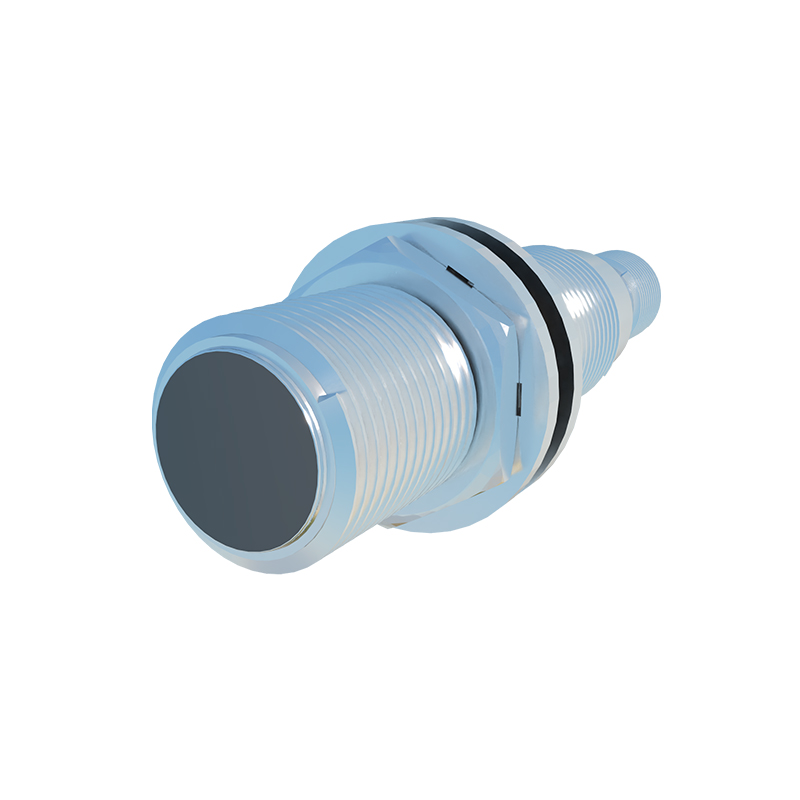
Advancements in technology have expanded the capabilities of proximity sensors, integrating features like IO-Link communication for real-time data exchange and diagnostics. This connectivity allows for predictive maintenance, where sensors can alert operators to potential issues before failures occur, optimizing productivity. In harsh environments—such as those with extreme temperatures, dust, or moisture—ruggedized proximity sensors provide reliable performance, ensuring continuous operation in industries like mining, agriculture, and chemical processing. Moreover, the rise of Industry 4.0 and the Internet of Things (IoT) has further emphasized their role, as sensors feed data into centralized systems for analytics and automation control.
When selecting a proximity sensor, engineers must consider factors like sensing range, response time, material compatibility, and environmental conditions. For instance, ultrasonic sensors are suitable for long-range detection in dusty areas, while photoelectric sensors offer high precision for clean environments. Proper installation and calibration are crucial to avoid false triggers, which can disrupt processes. Regular testing and adherence to standards, such as IEC 60947-5-2, ensure reliability and compliance with safety regulations.
In summary, proximity sensors are vital for modern industrial automation, driving innovation across sectors from logistics to energy. Their ability to operate without contact, coupled with evolving smart features, makes them key enablers of efficient, safe, and connected systems. As industries continue to automate and digitize, the demand for advanced proximity sensors will only grow, underscoring their critical role in shaping the future of manufacturing and beyond.