In industrial automation and electrical engineering, proximity sensors are indispensable components for detecting the presence or absence of objects without physical contact. However, a common yet perplexing issue faced by engineers is the failure of these sensors to detect dim lights or low-intensity light sources. This problem can disrupt automated processes, cause production delays, and lead to costly downtime. Understanding the root causes and implementing effective solutions is crucial for maintaining system reliability.
Proximity sensors, particularly photoelectric types, operate by emitting a light beam—usually infrared, visible, or laser—and measuring the reflection or interruption to detect objects. When it comes to sensing dim lights, such as faint LEDs or low-power indicators, several factors contribute to sensor failure. First, the sensor's sensitivity threshold may be set too high. Most proximity sensors have adjustable sensitivity settings to filter out ambient light and prevent false triggers. If the threshold is calibrated to ignore weak signals, dim lights might fall below this level, making them undetectable. Engineers should check the sensor's datasheet and adjust the sensitivity potentiometer or digital settings to match the light intensity of the target.
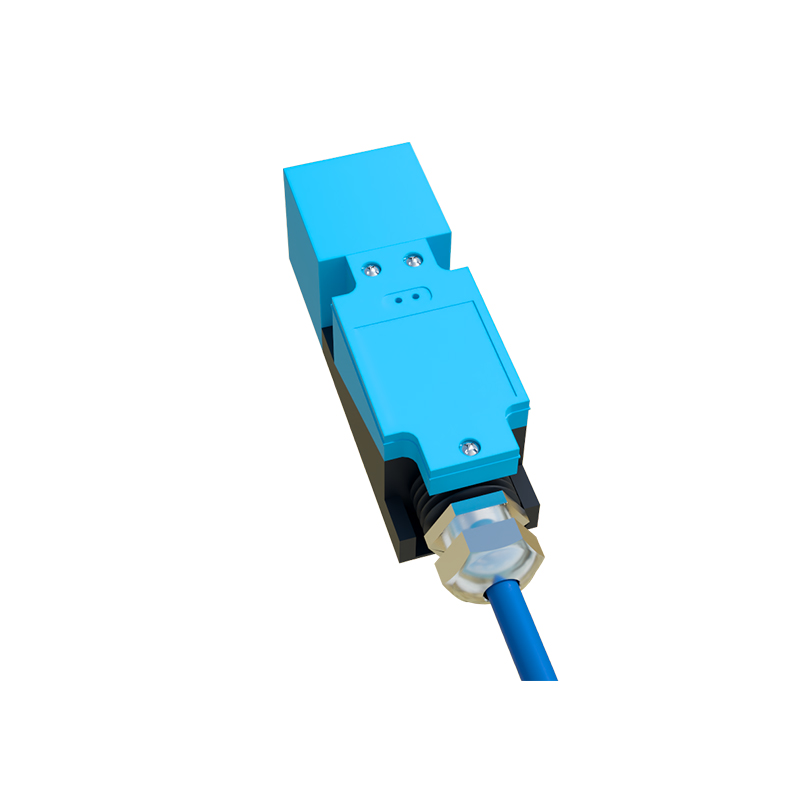
Second, ambient light interference plays a significant role. In environments with bright overhead lighting, sunlight, or other strong light sources, the sensor's receiver can be overwhelmed, masking the dim light signal. This is especially true for diffuse reflective sensors, which rely on light bouncing back from the object. Using a modulated light source—where the sensor emits a pulsed beam and only responds to signals at the same frequency—can mitigate this issue. Additionally, installing shields or barriers around the sensor can block unwanted ambient light.
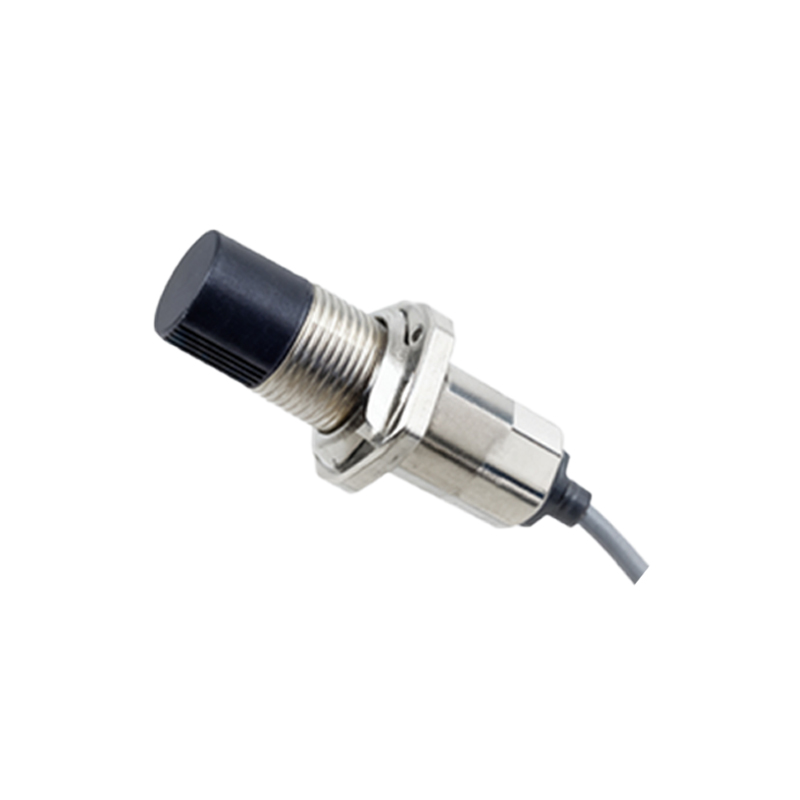
Third, the optical characteristics of the dim light itself may be problematic. If the light source emits a wavelength outside the sensor's detectable range, detection will fail. For instance, a sensor designed for infrared might not see a dim red LED. Consulting the sensor's spectral response curve and ensuring compatibility with the light source is essential. In some cases, switching to a sensor with a broader or matching wavelength range, such as a visible light sensor for low-intensity LEDs, can resolve the issue.
Fourth, mechanical alignment and distance are critical. Proximity sensors have a specified sensing range and beam angle. If the dim light is too far away or misaligned, the reflected signal may be too weak for detection. Regular maintenance to check alignment and ensure the light source is within the optimal range—often specified as the "assured operating distance"—can prevent failures. For long-range detection, consider using a retro-reflective sensor with a reflector or a through-beam sensor setup, where the emitter and receiver are separate units.
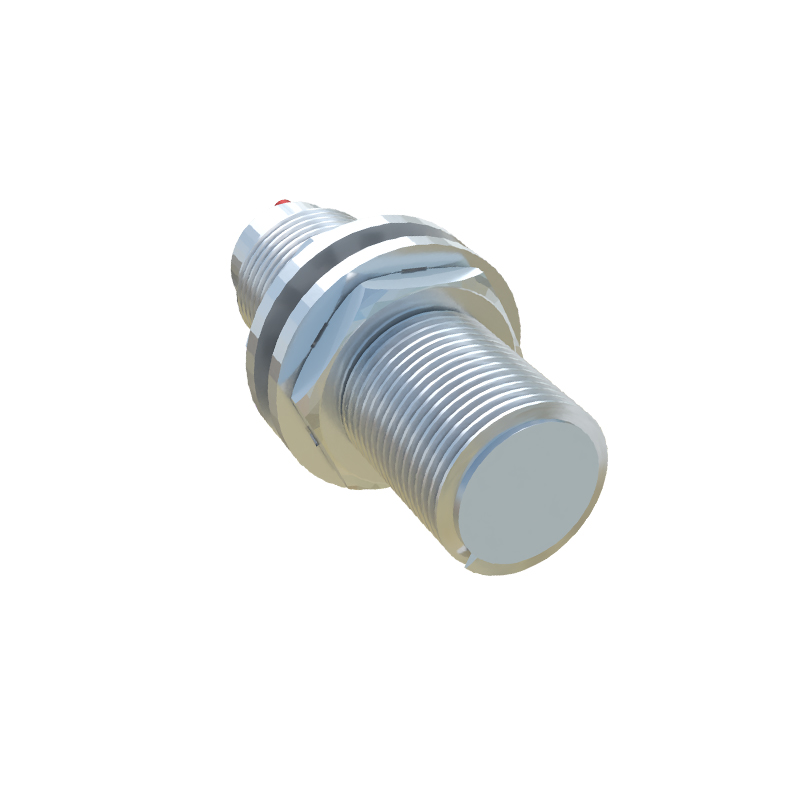
Fifth, sensor degradation over time can reduce performance. Dust, dirt, or condensation on the lens can attenuate the light beam, making it harder to detect dim sources. In harsh industrial environments, contaminants like oil or metal shavings may accumulate, further impairing function. Implementing a routine cleaning schedule and using sensors with higher IP ratings for dust and water resistance can enhance longevity. Additionally, aging components, such as weakened emitters or receivers, might require sensor replacement after extended use.
To troubleshoot and fix these issues, follow a systematic approach. Start by verifying the light source's intensity and wavelength with a photometer or spectrometer. Next, inspect the sensor for physical damage or contamination and clean the lens if necessary. Adjust the sensitivity settings while monitoring the sensor's output via an oscilloscope or PLC interface to ensure it registers the dim light. Test in controlled conditions, such as dimming ambient light, to isolate interference. If problems persist, consider upgrading to a more sensitive sensor model, like one with analog output for finer control, or integrating a fiber optic amplifier for precise detection of weak light signals.
In summary, proximity sensors may fail to detect dim lights due to sensitivity settings, ambient interference, wavelength mismatch, alignment issues, or sensor degradation. By applying targeted solutions—calibration, environmental controls, compatibility checks, maintenance, and upgrades—engineers can restore reliable operation. This not only optimizes automation systems but also aligns with industry best practices for efficiency and safety. As technology advances, newer sensors with enhanced signal processing and noise reduction capabilities are emerging, offering better performance in challenging lighting conditions. Staying informed about these developments can help prevent future detection failures and keep industrial processes running smoothly.