In the realm of industrial automation, proximity sensors serve as critical components for detecting the presence or absence of objects without physical contact. Among these, inductive proximity sensors are particularly valued for their reliability in harsh environments, especially when sensing metallic targets. The GUOCHUANG PL05 inductive proximity sensor stands out as a noteworthy innovation, designed to meet the rigorous demands of modern manufacturing and machinery applications. This article delves into the technical specifications, operational principles, and practical advantages of the PL05, offering insights for engineers and industry professionals seeking robust sensing solutions.
The GUOCHUANG PL05 is a cylindrical inductive sensor that operates based on the principle of electromagnetic induction. It generates an oscillating electromagnetic field from its sensing face. When a metallic object enters this field, eddy currents are induced in the target, causing a change in the oscillation amplitude. This change is detected by the sensor's internal circuitry, which then triggers a switching output—typically in the form of a digital signal (e.g., NPN or PNP transistor output). The PL05 is engineered to detect ferrous and non-ferrous metals, such as steel, aluminum, and copper, with a specified sensing range that ensures consistent performance even in challenging conditions like dust, moisture, or vibration.
Key technical features of the PL05 include a compact design, often with an M5 or M8 threaded housing, making it easy to install in tight spaces common in automated systems. It typically offers a sensing distance of up to 2 mm, though exact specifications may vary based on the model and target material. The sensor is built with high-quality materials, such as stainless steel or nickel-plated brass, providing excellent resistance to mechanical wear and corrosion. Additionally, it supports a wide operating voltage range (commonly 10-30 V DC), ensuring compatibility with various industrial power supplies. Its short-circuit and reverse-polarity protection features enhance durability, reducing downtime in production lines.
One of the standout aspects of the PL05 is its adaptability across diverse applications. In automotive assembly lines, for instance, it can be used for position detection of metal components, such as verifying the placement of engine parts or monitoring conveyor belt movements. In packaging machinery, it ensures precise counting of metallic items, while in robotic arms, it aids in end-effector positioning to prevent collisions. The sensor's high switching frequency allows for rapid detection, suitable for high-speed processes, and its LED indicator simplifies diagnostics by providing visual feedback on operational status.
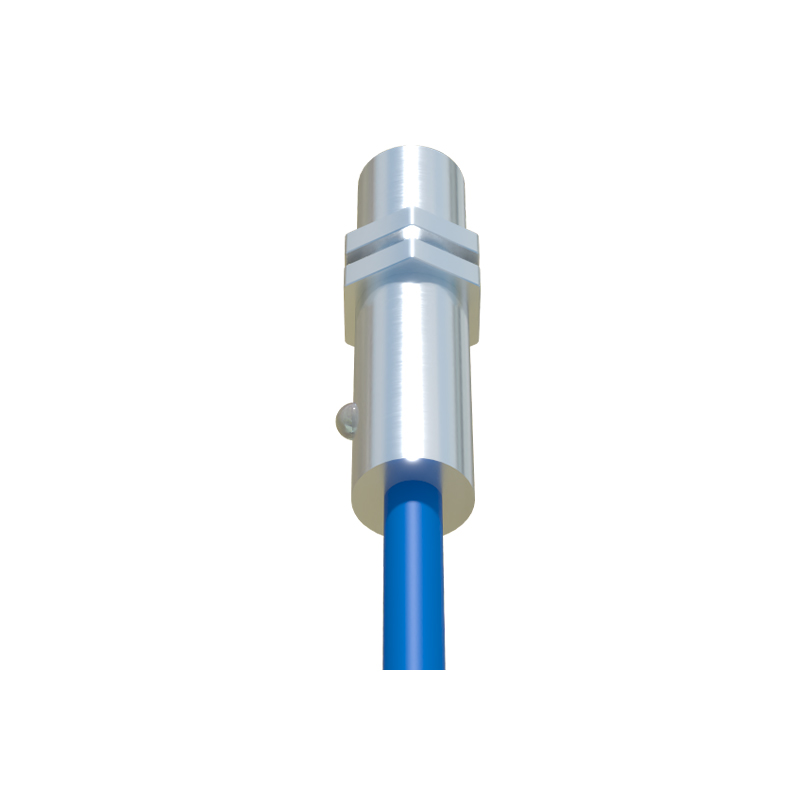
When compared to other proximity sensors, such as capacitive or ultrasonic types, the PL05 excels in environments where only metal detection is required, as it is less affected by non-metallic interferences. Its solid-state design ensures a long operational life with minimal maintenance, contributing to lower total cost of ownership. Engineers appreciate its compliance with international standards (e.g., IEC 60947-5-2), which guarantees safety and performance consistency in global markets. For optimal use, it is recommended to consider factors like target material, size, and environmental temperature, as these can influence sensing accuracy.
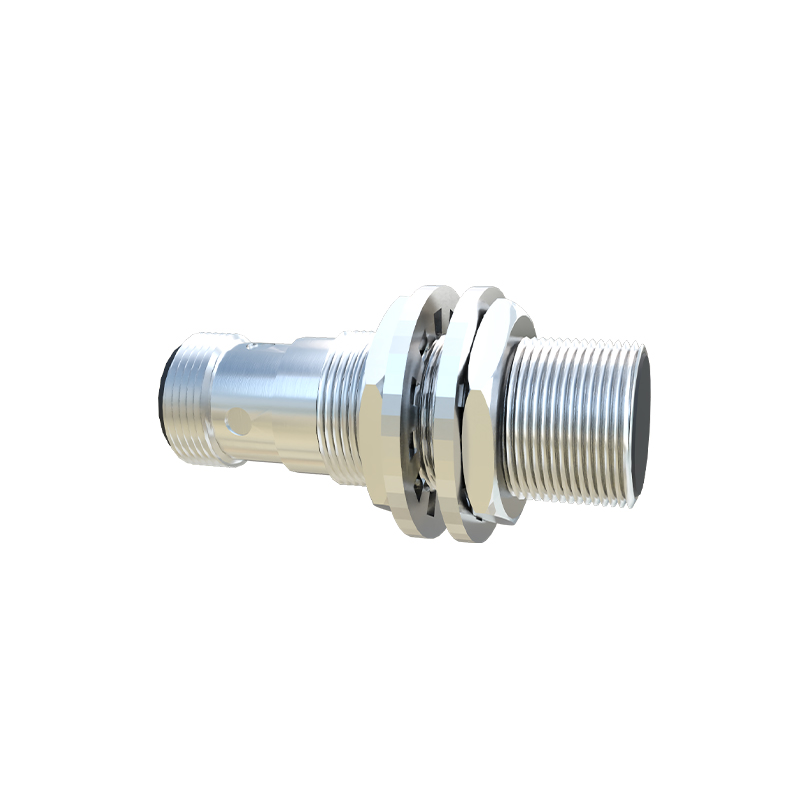
In summary, the GUOCHUANG PL05 inductive proximity sensor represents a blend of precision engineering and practical functionality. Its robust construction, reliable detection capabilities, and ease of integration make it a valuable asset in industrial settings. As automation continues to evolve, sensors like the PL05 will play a pivotal role in enhancing efficiency, safety, and productivity. Industry professionals are encouraged to evaluate its specifications against their specific needs to leverage its full potential in streamlining operations.