In the realm of modern automotive engineering, the approach angle sensor has emerged as a critical component, particularly for vehicles designed to tackle challenging terrains. This sensor plays a pivotal role in measuring the angle between the ground and a line drawn from the front tire to the lowest-hanging part of the vehicle's front end, typically the bumper or undercarriage. By providing real-time data on this angle, it enables advanced driver-assistance systems (ADAS) and onboard computers to make informed decisions, thereby enhancing both safety and performance.
The primary function of an approach angle sensor is to prevent collisions with obstacles during off-road driving or steep inclines. When a vehicle approaches a hill, ramp, or uneven surface, the sensor calculates the maximum angle at which the vehicle can ascend or descend without causing damage to its front section. This information is often relayed to the driver via dashboard displays or integrated infotainment systems, offering visual or auditory alerts if the angle exceeds safe limits. In more sophisticated setups, the sensor can automatically adjust suspension settings or engage low-speed control features to optimize traction and stability.
Technologically, approach angle sensors utilize a combination of inertial measurement units (IMUs), ultrasonic sensors, or optical systems to achieve accurate readings. IMUs, which include accelerometers and gyroscopes, detect changes in orientation and tilt relative to gravity. Ultrasonic sensors emit sound waves to measure distances to the ground, while optical systems use cameras or LiDAR to create 3D maps of the terrain ahead. These data streams are processed by electronic control units (ECUs) that correlate the vehicle's speed, weight distribution, and wheel positioning to generate precise approach angle metrics.
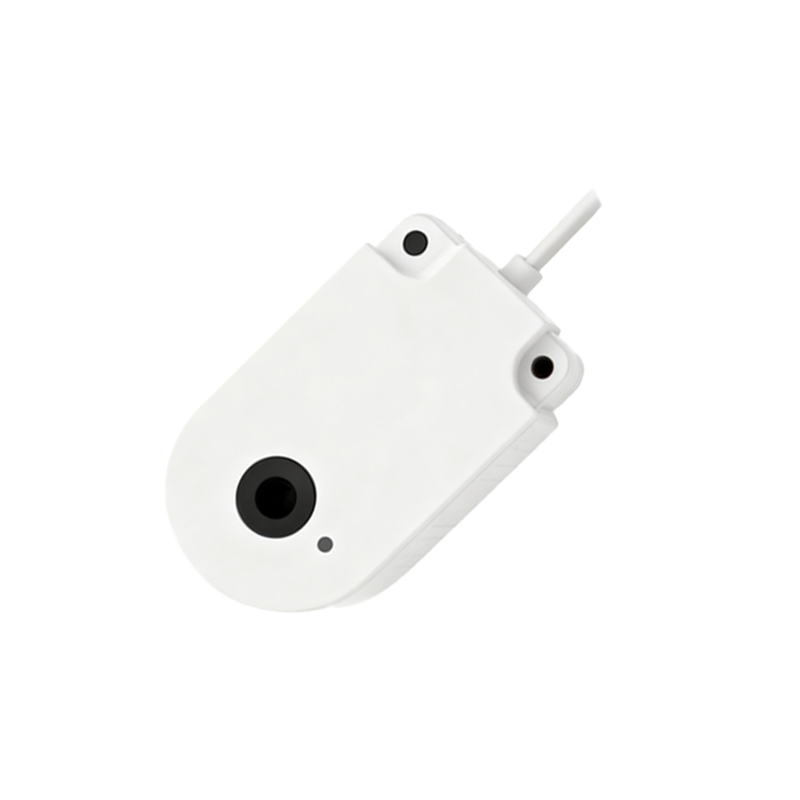
The integration of approach angle sensors is especially beneficial for sport utility vehicles (SUVs), trucks, and military or agricultural machinery that frequently operate in rugged environments. For instance, in off-roading scenarios, drivers can navigate rocky paths or deep ruts with greater confidence, knowing that the sensor provides a buffer against undercarriage scrapes or bumper impacts. Additionally, in urban settings, these sensors aid in avoiding curb damage during parking or when traversing steep driveways.
From a safety perspective, approach angle sensors contribute to reducing repair costs and minimizing the risk of accidents caused by sudden stops or loss of control. They complement other ADAS features like hill descent control and terrain response systems, creating a holistic safety net for drivers. Moreover, as autonomous driving technology evolves, such sensors will become indispensable for self-driving vehicles to assess environmental hazards and plan safe routes over varied landscapes.
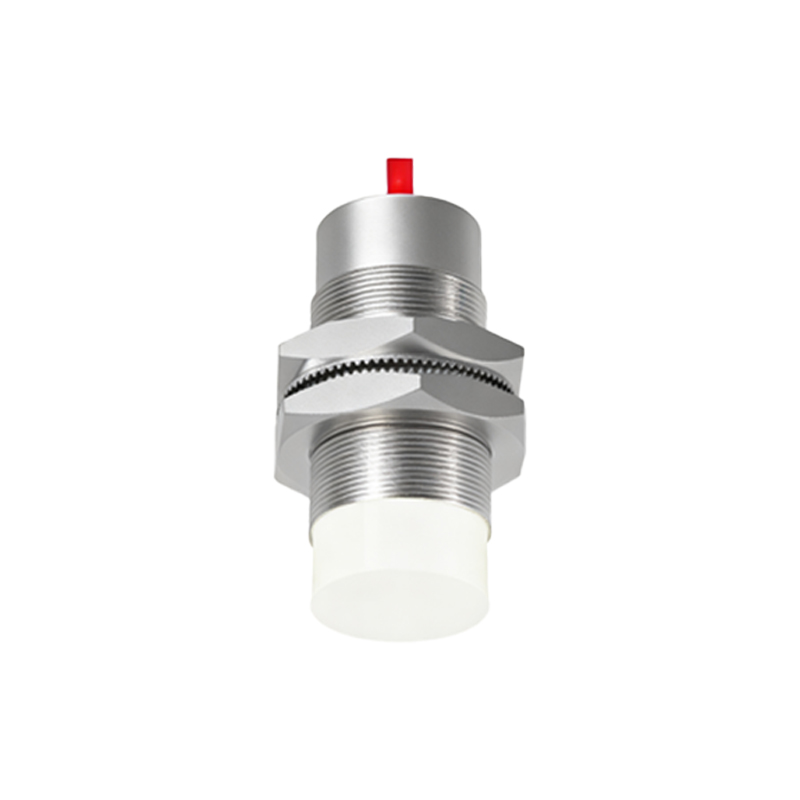
Maintenance and calibration of approach angle sensors are straightforward but essential for ensuring longevity and accuracy. Regular checks for dirt accumulation, physical damage, or software updates are recommended, as malfunctions could lead to erroneous readings. Most modern vehicles with these sensors include diagnostic tools that alert users to potential issues via onboard diagnostics (OBD) systems.
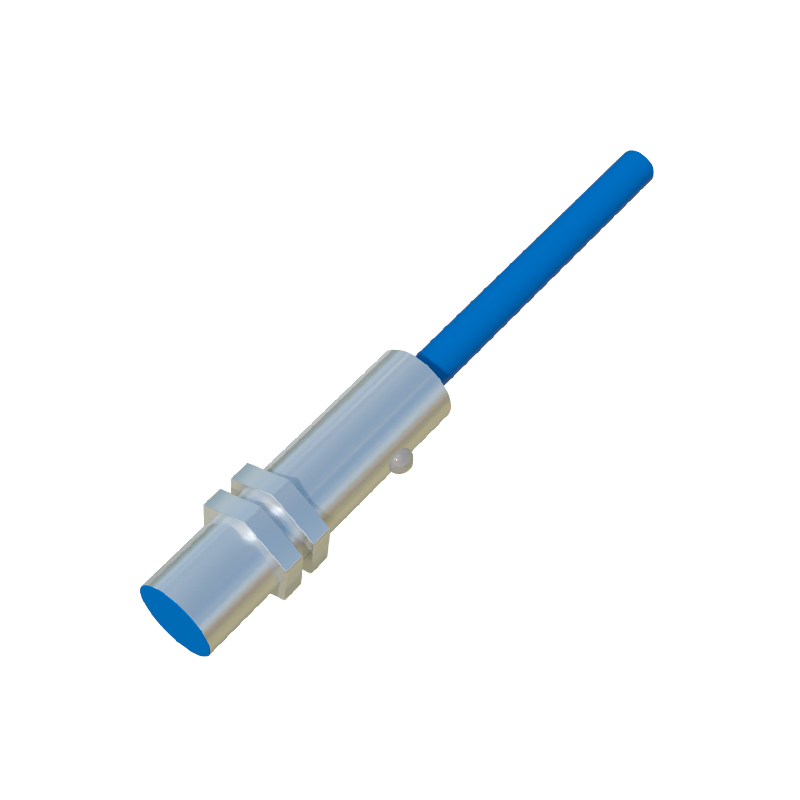
In summary, the approach angle sensor represents a significant advancement in automotive innovation, bridging the gap between driver intuition and electronic precision. By delivering actionable insights into terrain interaction, it empowers vehicles to perform optimally across diverse conditions while safeguarding critical components. As automotive trends shift toward electrification and automation, the role of this sensor is set to expand, further solidifying its importance in the future of transportation.