In the realm of electrical engineering and industrial automation, the precise monitoring and control of thermal processes are paramount. Among the sophisticated tools employed for this purpose, laser burn sensors represent a critical technology, particularly in applications involving high-energy laser systems, material processing, and safety monitoring. This article delves into the operational principles, key applications, and selection considerations for laser burn sensors, providing a comprehensive overview for professionals in the field.
Fundamentally, a laser burn sensor is a specialized photodetector designed to identify and measure unintended or excessive thermal effects—often termed "burning"—caused by laser radiation. Unlike standard temperature sensors, these devices are engineered to respond specifically to the spectral characteristics and intensity of light emitted from a laser-induced thermal event. The core mechanism typically involves a photodiode or an array of photodiodes sensitive to specific wavelengths, commonly in the infrared (IR) spectrum, where the thermal radiation from a burn or overheating is most pronounced. When a laser process, such as cutting, welding, or engraving, deviates from its intended parameters, it can generate excessive heat, leading to material burning, discoloration, or structural damage. The sensor detects the anomalous optical signature of this event, converting it into an electrical signal for immediate processing by a control system.
The applications of laser burn sensors are diverse and vital across multiple industries. In laser material processing, including precision cutting of metals or micromachining of semiconductors, maintaining exact thermal thresholds is crucial. A burn sensor integrated into the laser head or optical path can provide real-time feedback, enabling dynamic adjustment of laser power or feed rate to prevent workpiece damage. This not only ensures product quality but also reduces material waste. In the realm of additive manufacturing or 3D printing with metal powders, laser burn sensors monitor the melt pool, detecting irregularities that could lead to defects like porosity or warping. Furthermore, in safety systems for high-power laser installations, these sensors act as critical fail-safes. They can detect scattered or reflected laser light indicating a potential hazard, triggering emergency shutdowns or alarms to protect both equipment and personnel from accidental exposure or fire risks.
Selecting an appropriate laser burn sensor requires careful consideration of several technical parameters. Spectral response is primary; the sensor must be matched to the wavelength of the emitted thermal radiation from the anticipated burn event, which may differ from the primary laser wavelength. For instance, a CO2 laser operating at 10.6 µm might require an IR sensor sensitive to longer wavelengths to detect the secondary thermal emission from a burning polymer. Response time is another critical factor, especially in high-speed manufacturing processes. Sensors with microsecond-level response times are necessary to provide actionable data before significant damage occurs. The sensor's field of view and spatial resolution determine its ability to localize a burn event within a larger work area. Additionally, environmental robustness—resistance to ambient light interference, electromagnetic noise, and operational temperatures—is essential for reliable performance in industrial settings. Integration with existing Programmable Logic Controllers (PLCs) or industrial PCs via standard communication protocols (e.g., analog voltage/current outputs, Ethernet/IP) is also a key practical consideration.

The integration of laser burn sensors often involves sophisticated signal processing algorithms. Raw sensor data is typically filtered to distinguish the signal of a genuine burn from background noise, such as reflections from the workpiece or ambient IR radiation. Advanced systems may employ machine learning techniques to classify different types of thermal anomalies based on historical data, improving accuracy and reducing false positives. This data-driven approach enhances predictive maintenance capabilities, allowing engineers to identify trends that precede equipment failure or process drift.
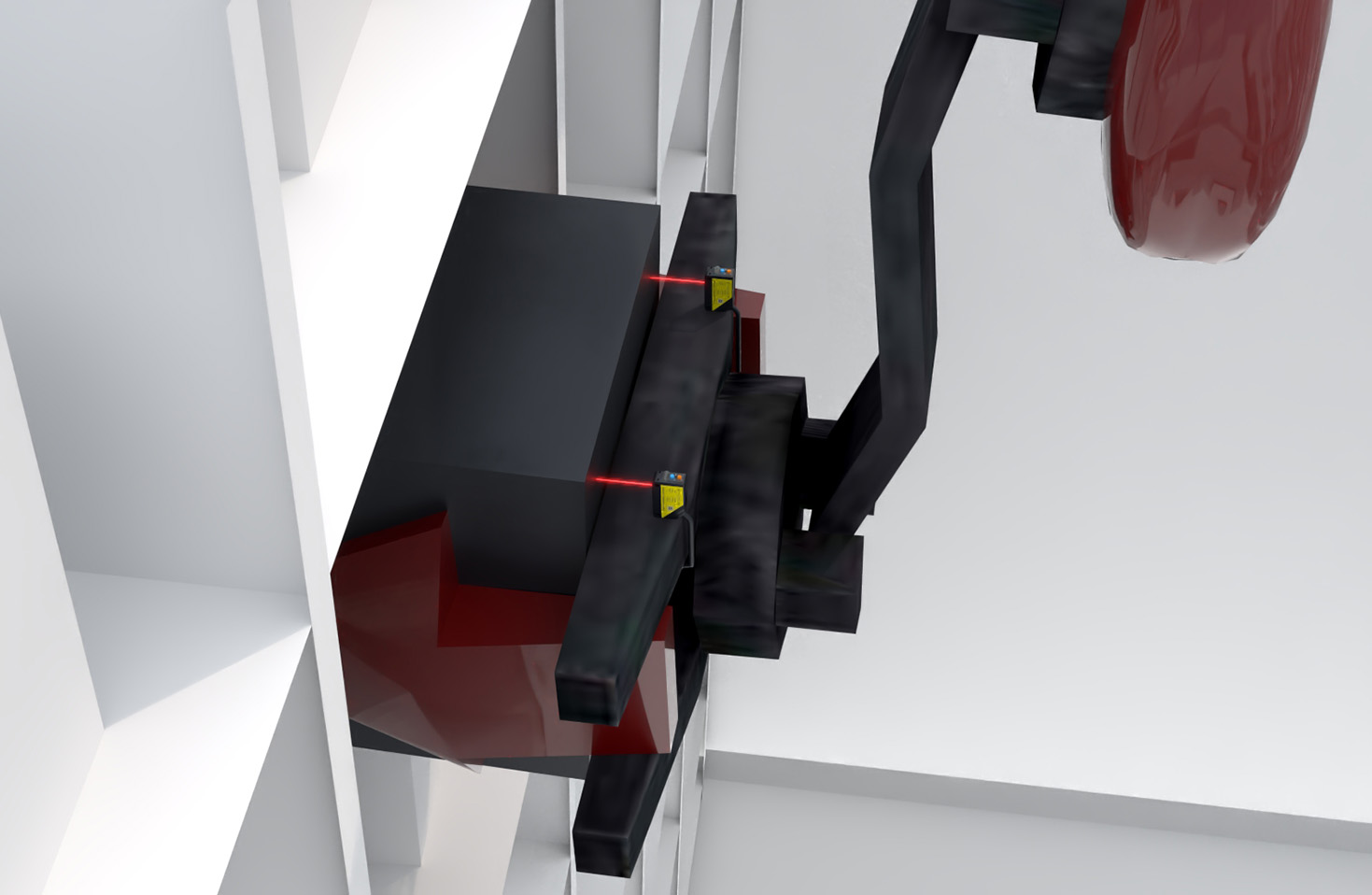
In conclusion, laser burn sensors are indispensable components in modern laser-based systems, bridging the gap between high-energy processes and precise control. Their ability to provide instantaneous, non-contact monitoring of thermal anomalies safeguards product integrity, optimizes process efficiency, and enforces critical safety standards. As laser technologies continue to advance towards higher powers and greater precision, the role of these sensors will only become more sophisticated, evolving with smarter algorithms and integration into the Industrial Internet of Things (IIoT) frameworks. For electrical engineers and system designers, a deep understanding of these sensors' capabilities and limitations is essential for building resilient, high-performance, and safe industrial automation solutions.